
Unlocking Fintech Growth in Saudi Arabia: Capitalizing on Post-Finnovex 2025 Momentum
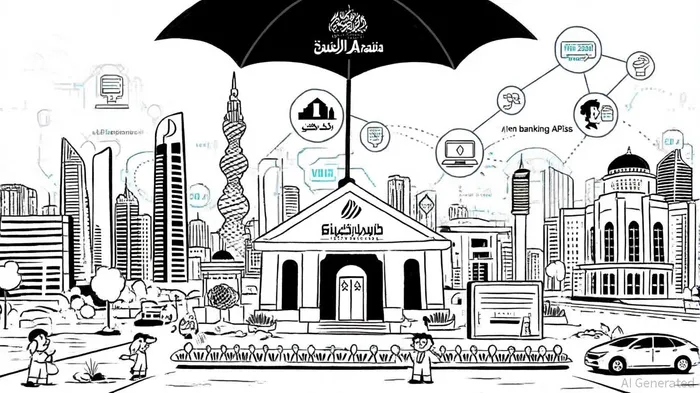
Saudi Arabia's fintech sector is undergoing a seismic transformation, driven by Vision 2030's digital-first agenda and the catalytic momentum generated by Finnovex 2025. The summit, held in May 2025 under the theme “Empowering the Fintech Ecosystem: From Disruption to Collaboration,” underscored the Kingdom's ambition to become a global financial innovation hub. With over 250 C-level executives from banks, fintechs865201--, and regulators convening in Riyadh, the event spotlighted strategic priorities such as open banking, AI-driven personalization, and cybersecurity resilience. Post-event data reveals that this momentum has translated into tangible growth, with the fintech market projected to expand at a 13.08% CAGR from 2025 to 2030, reaching USD 5.28 billion by 2030[1]. For investors, the question is no longer whether Saudi Arabia's fintech sector is viable but how to strategically position capital to capitalize on its accelerating trajectory.
Post-Finnovex Momentum: A Catalyst for Sector-Wide Innovation
Finnovex 2025 served as a pivotal platform for aligning stakeholders around shared goals. Key outcomes included the launch of 100+ strategic partnerships, including collaborations between traditional banks and fintech startups to develop AI-powered risk management tools and blockchain-based remittance platforms[2]. The summit also highlighted the critical role of cybersecurity, with a dedicated panel emphasizing the need for next-gen frameworks to combat fraud in an increasingly digitized ecosystem. This focus has already spurred action: post-event, the Saudi Central Bank (SAMA) announced expanded regulatory sandbox access for cybersecurity startups, enabling rapid testing of real-time fraud detection solutions[3].
The event's ripple effects are evident in the surge of venture capital activity. Riyad Bank's $213 million fintech fund, launched in September 2024, has already allocated capital to platforms like D360 Bank and STC Bank, which were recognized at Finnovex for their digital transformation initiatives[4]. Meanwhile, cross-border collaborations—such as Zoom's partnership with OracleORCL-- Cloud Infrastructure to enhance financial compliance—signal Saudi Arabia's growing integration into global fintech networks[5].
Market Dynamics: A Fintech Ecosystem in Hyperdrive
Saudi Arabia's fintech market is being propelled by a confluence of factors:
1. Digital Payments Dominance: The segment, valued at 48.5% of the 2024 market, is expanding rapidly due to government mandates like the SARIE instant-payment network and a 97% smartphone penetration rate[6]. Mobile wallet adoption has surged to 65%, with QR-based interoperability driving mass adoption[7].
2. Neobanking Revolution: SAMA's issuance of digital-only banking licenses has spurred a 16.04% CAGR in neobanking, as consumers demand mobile-first solutions[8]. Startups like Alinma and Mada are redefining customer expectations with hyper-personalized services.
3. Islamic Fintech Expansion: Sharia-compliant platforms are addressing a $80 billion financing gap for SMEs and women entrepreneurs, with debt crowdfunding and AI-driven halal investment tools gaining traction[9].
Strategic Sector Positioning: Where to Invest
For investors, three areas present high-conviction opportunities:
1. SME Finance and Embedded Lending: With a $80 billion financing gap, platforms leveraging AI and alternative data for credit scoring are poised to scale. The Finnovex-recognized Moola, a corporate expense management platform, exemplifies this trend[10].
2. WealthTech and Islamic Finance: The Kingdom's $1.2 trillion wealth management market is being reshaped by robo-advisory platforms and halal investment products. Regulatory clarity from SAMA has accelerated product innovation in this space[11].
3. Cybersecurity and RegTech: As digital transactions surge, demand for real-time fraud detection and compliance tools is rising. Post-Finnovex, startups with embedded compliance layers—such as real-time KYC platforms—are attracting significant venture capital[12].
Navigating Challenges: Talent, Regulation, and Cyber Risk
Despite the optimism, challenges persist. Talent shortages in AI and blockchain development remain acute, with rural areas lagging in digital adoption[13]. Regulatory complexity, while improving, requires careful navigation. However, SAMA's open-banking framework and sandbox initiatives are mitigating risks, enabling startups to test innovations in controlled environments[14]. Cybersecurity threats, though growing, are being addressed through public-private partnerships, such as the Saudi Data and AI Authority's (SDAIA) AI-driven threat detection programs[15].
Conclusion: A Fintech Hub Emerges
Saudi Arabia's fintech sector is no longer a nascent market but a maturing ecosystem with global aspirations. The post-Finnovex 2025 momentum has accelerated collaboration, regulatory clarity, and investment inflows, creating a fertile ground for innovation. For investors, the key lies in aligning with Vision 2030's priorities—digital inclusion, AI integration, and cross-sector collaboration—while addressing sector-specific challenges. As the Kingdom moves closer to its 2030 targets, the fintech sector stands as a testament to its transformative vision, offering both societal impact and compelling returns.







Comentarios
Aún no hay comentarios