
Unlocking Business Value with SAP Databricks and SAP Business Data Cloud: A Step-by-Step Playbook
PorAinvest
lunes, 11 de agosto de 2025, 9:51 pm ET1 min de lectura
SAP--
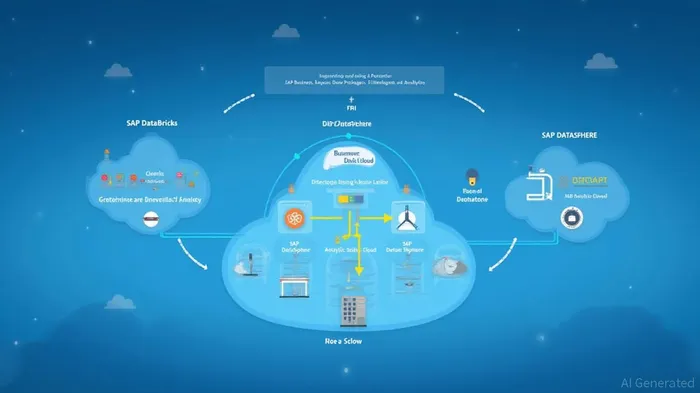
The integration process involves several steps, including data replication, sharing, and visualization. To activate an Intelligent Application or a Data Package in the SAP Business Data Cloud Cockpit, data replication occurs for the respective Data Products into the BDC Object Store. Data Products are then accessible via the BDC Catalog and can be shared with SAP Databricks. These Data Products can be used to build custom data products in SAP Databricks with AI/ML capabilities, and the derived data products can be shared back to SAP BDC Cockpit [1].
The integration allows for the sharing of data products into SAP Datasphere, where data modeling can be conducted. The results can then be shared with SAP Analytics Cloud for visualization and reporting. This end-to-end integration enables enterprises to unlock unified insights across their data landscape, driving smarter, real-time decision-making [1].
The integration process requires specific roles and prerequisites, such as Metastore Admin in SAP Databricks and Datasphere Catalog Admin. The step-by-step playbook outlines the necessary steps, including granting user access, creating shares, and deploying data products [1].
In summary, the integration of SAP Databricks, SAP Datasphere, and SAP Analytics Cloud within SAP Business Data Cloud enables enterprises to achieve seamless, governed data sharing. This integration unlocks greater value by providing a unified platform for data analytics and decision-making, powered by both SAP and non-SAP data sources.
References:
[1] https://community.sap.com/t5/technology-blog-posts-by-sap/sap-databricks-building-an-intelligent-enterprise-with-ai-unleashed-part-4/ba-p/14178056
SAP Databricks, a component of SAP Business Data Cloud, has been integrated with SAP Datasphere and SAP Analytics Cloud to form a Business Data Fabric. The integration enables seamless, governed data sharing and unlocks greater value for enterprises. The services and components within SAP Business Data Cloud include SAP BDC Cockpit, SAP Datasphere, SAP Analytics Cloud, Data Products, Data Packages, and Intelligent Applications. A step-by-step playbook is available for end-to-end integration, including data replication, sharing, and visualization.
SAP Databricks, a core component of SAP Business Data Cloud, has been integrated with SAP Datasphere and SAP Analytics Cloud to create a Business Data Fabric. This integration enables seamless, governed data sharing, unlocking greater value for enterprises. The integration encompasses SAP BDC Cockpit, SAP Datasphere, SAP Analytics Cloud, Data Products, Data Packages, and Intelligent Applications.The integration process involves several steps, including data replication, sharing, and visualization. To activate an Intelligent Application or a Data Package in the SAP Business Data Cloud Cockpit, data replication occurs for the respective Data Products into the BDC Object Store. Data Products are then accessible via the BDC Catalog and can be shared with SAP Databricks. These Data Products can be used to build custom data products in SAP Databricks with AI/ML capabilities, and the derived data products can be shared back to SAP BDC Cockpit [1].
The integration allows for the sharing of data products into SAP Datasphere, where data modeling can be conducted. The results can then be shared with SAP Analytics Cloud for visualization and reporting. This end-to-end integration enables enterprises to unlock unified insights across their data landscape, driving smarter, real-time decision-making [1].
The integration process requires specific roles and prerequisites, such as Metastore Admin in SAP Databricks and Datasphere Catalog Admin. The step-by-step playbook outlines the necessary steps, including granting user access, creating shares, and deploying data products [1].
In summary, the integration of SAP Databricks, SAP Datasphere, and SAP Analytics Cloud within SAP Business Data Cloud enables enterprises to achieve seamless, governed data sharing. This integration unlocks greater value by providing a unified platform for data analytics and decision-making, powered by both SAP and non-SAP data sources.
References:
[1] https://community.sap.com/t5/technology-blog-posts-by-sap/sap-databricks-building-an-intelligent-enterprise-with-ai-unleashed-part-4/ba-p/14178056


Divulgación editorial y transparencia de la IA: Ainvest News utiliza tecnología avanzada de Modelos de Lenguaje Largo (LLM) para sintetizar y analizar datos de mercado en tiempo real. Para garantizar los más altos estándares de integridad, cada artículo se somete a un riguroso proceso de verificación con participación humana.
Mientras la IA asiste en el procesamiento de datos y la redacción inicial, un miembro editorial profesional de Ainvest revisa, verifica y aprueba de forma independiente todo el contenido para garantizar su precisión y cumplimiento con los estándares editoriales de Ainvest Fintech Inc. Esta supervisión humana está diseñada para mitigar las alucinaciones de la IA y garantizar el contexto financiero.
Advertencia sobre inversiones: Este contenido se proporciona únicamente con fines informativos y no constituye asesoramiento profesional de inversión, legal o financiero. Los mercados conllevan riesgos inherentes. Se recomienda a los usuarios que realicen una investigación independiente o consulten a un asesor financiero certificado antes de tomar cualquier decisión. Ainvest Fintech Inc. se exime de toda responsabilidad por las acciones tomadas con base en esta información. ¿Encontró un error? Reportar un problema


SOBRE NOSOTROS
Nuestra historiaAutores de noticiasBase de conocimientosPolítica de privacidadTérmino de usoDescargo de responsabilidad de corretaje de tercerosTérminos de uso de AIMEDivulgaciones de riesgos de AInvest AICarrerasCONTÁCTENOS
Email: support@ainvest.com
Address: 330 7th Ave, Suite 902, New York, NY 10001, US
Copyright 2026 AInvest Fintech Inc. All rights reserved.


Comentarios
Aún no hay comentarios