
Unlocking Billion-Dollar Value: Relief Therapeutics’ RLF-TD011 and the PRV-QIDP Exclusivity Play
The rare disease space is ripe with asymmetric upside for investors who can identify therapies that combine regulatory tailwinds, clinical differentiation, and tiny market caps. Relief Therapeutics’ RLF-TD011—a first-in-class hypochlorous acid therapy for epidermolysis bullosa (EB)—ticks all three boxes. With a rare pediatric disease (RPD) designation unlocking a potential $155M priority review voucher (PRV) and qualified infectious disease product (QIDP) exclusivity extending market control, this is a rare chance to back a drug that could transform a $1B+ market while monetizing regulatory incentives. Here’s why investors should act now.
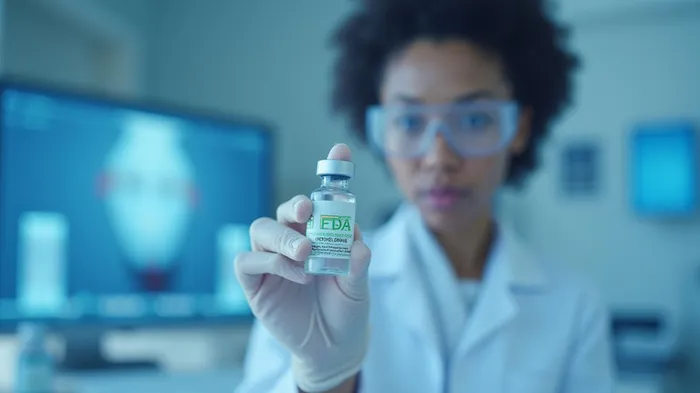
The PRV: A $155M Catalyst Waiting to be Activated
The recent $155M PRV sale by Abeona Therapeutics for its RDEB gene therapy (ZEVASKYN™) sets a clear precedent for Relief. RLF-TD011’s RPD designation qualifies it for the same voucher upon FDA approval, which would provide a non-dilutive capital boost. Unlike gene therapies, RLF-TD011’s topical application and microbiome-preserving mechanism offer a scalable, cost-effective solution for EB’s chronic wounds. With EB affecting 500,000+ globally and no approved treatments in the U.S., the pathway to commercialization is clear.
QIDP + Orphan Exclusivity: 12 Years of Market Control
RLF-TD011’s dual regulatory status—Orphan Drug Designation (7 years) and planned QIDP status (5 additional years)—creates a 12-year exclusivity wall. This is critical in EB, where chronic wounds colonized by Staphylococcus aureus lead to life-threatening infections. Relief’s clinical data (78% wound closure, 24% S. aureus reduction) validates RLF-TD011’s ability to address this unmet need. Competitors? None. The QIDP designation also ensures extended commercial dominance, even as patents expire.
A Tiny Market Cap vs. a $1B+ Opportunity
Relief’s current market cap [insert ticker-based data query here, e.g., ] is dwarfed by the potential of a $1B global EB market. Even with a modest 20% U.S. patient penetration and a $50,000 annual treatment cost, RLF-TD011 could generate $250M+ in peak sales. Add a PRV sale (modeled at $150M-$350M) and you have a value proposition that could multiply the stock 5-10x.
The Execution Catalyst: FDA Meetings and QIDP Filing
The next 12 months are pivotal. Relief’s pre-IND meeting with the FDA (scheduled Q3 2025) will clarify the path to approval, while its QIDP application (expected by year-end) solidifies exclusivity. Positive data from ongoing trials (e.g., microbiome diversity metrics) will further validate RLF-TD011’s therapeutic edge.
Why Now?
- Regulatory Tailwinds: The PRV-QIDP combo is a rarity, especially in EB.
- Clinical Proof: Phase 1/2 data show efficacy where nothing exists.
- Valuation Gap: The market hasn’t yet priced in exclusivity or PRV upside.
Final Call: Act Before the Crowd
Relief Therapeutics is at a pivotal inflection point. With a regulatory roadmap that mirrors Abeona’s PRV windfall and a therapy addressing a $1B+ unmet need, this is a “buy the rumor, own the news” opportunity. The stock is small enough to be moved by catalysts but large enough to be taken seriously by institutional investors. Do not wait for the FDA to approve—act now to secure a position in a once-in-a-decade rare disease play.








Comentarios
Aún no hay comentarios