
University of Utah Spur College Sports Private Equity Push with $500M Deal
The University of Utah has made a groundbreaking move by partnering with Otro Capital, a private equity firm, to boost athletic department revenue. This marks the first such deal in college sports and sets a new precedent for universities seeking financial advantages in the evolving landscape of collegiate athletics. The university announced the formation of Utah Brands & Entertainment LLC, a for-profit entity designed to enhance brand visibility and generate revenue through sponsorships, ticketing, and licensing.
Under the new partnership, Utah Brands & Entertainment will handle the commercial operations of the university's athletics, including media rights, hospitality, and event-related revenue, while maintaining control over sports decisions. The university's board of trustees has approved the deal, with finalization expected early next year. Otro Capital, a New York-based firm, will take a minority equity stake in the new entity, aligning its interests with the university's success according to reports. 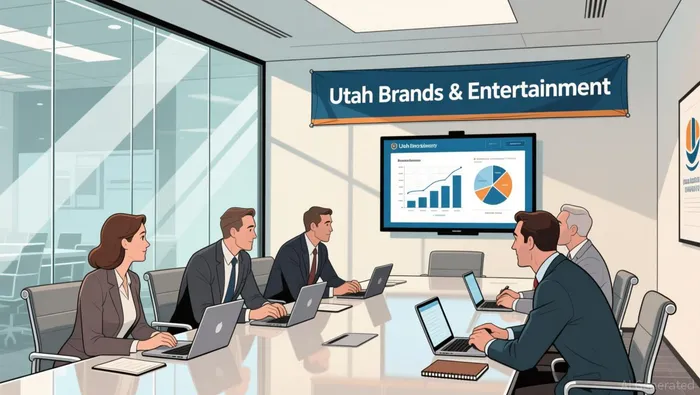
The partnership includes prominent university supporters and is expected to generate around $500 million in capital, with major donors also investing in Utah Brands & Entertainment. The university will retain a majority ownership stake and control over key decisions, ensuring that athletic operations and strategic direction remain under its management as data shows.
Implications for College Sports
The University of Utah's agreement with Otro Capital reflects broader changes in college athletics, particularly in the wake of the House v. NCAA settlement. This landmark legal case paved the way for student-athletes to profit from their name, image, and likeness (NIL), fundamentally altering how universities manage their athletic programs. The settlement also encouraged institutions to explore new revenue streams and innovative financial partnerships according to analysis.
The deal with Otro Capital is not a sale of the athletic department, as some critics feared. Rather, it is a strategic investment that allows the university to expand its commercial activities while keeping decision-making authority in-house. University President Taylor Randall and Athletic Director Mark Harlan emphasized that operational control of sports, coaches, and student-athlete care remains solely within the athletic department according to statements.
The university's leadership views the partnership as a way to sustain long-term success in a highly competitive environment. With growing expenses and the need to fund athlete compensation, universities are under increasing pressure to diversify revenue. The Utah model could inspire other institutions to explore similar arrangements, especially as conferences like the Big Ten and Big 12 consider their own deals according to industry analysis.
What This Means for Investors and Universities
For Otro Capital, the deal represents a significant win in an industry where private equity firms have struggled to secure partnerships with universities. Founded in 2023 by former RedBird Capital Partners employees, Otro has quickly positioned itself as a key player in the sports and entertainment space. The firm has experience managing professional sports teams and has previously invested in entities like Legends Hospitality and the PGA Tour's commercial arm. The Utah deal will allow Otro to leverage its expertise in collegiate athletics, potentially setting a benchmark for future investments according to reports.
Investors will be watching closely to see how this partnership performs. While the initial investment amount and valuation remain undisclosed, the deal is expected to raise more than $500 million through a combination of donor contributions and Otro's equity stake. The university's ability to generate revenue through sponsorships and other commercial activities will be key to its success, as will its capacity to maintain its academic mission while capitalizing on athletic opportunities according to projections.
Otro Capital and the University of Utah have structured the deal with an exit strategy in mind, allowing the university to repurchase Otro's stake in five to seven years. This flexibility ensures that the partnership remains aligned with the university's long-term goals, even as market conditions evolve. The firm's involvement is also expected to attract more institutional and private investors interested in the college sports sector according to market analysis.
Risks and Challenges
Despite the potential benefits, the partnership is not without risks. Critics have raised concerns about the impact of private equity on the integrity of college sports, particularly in terms of financial pressures and governance. Some argue that for-profit structures could lead to a prioritization of commercial interests over academic or athletic values. Others question whether private equity can significantly improve revenue in an industry where media rights and conference-level negotiations dominate according to industry experts.
The University of Utah has acknowledged these concerns and emphasized its commitment to maintaining financial stability and institutional integrity. University President Taylor Randall has stated that the partnership is part of a broader vision to elevate the university's national and international standing. The goal is to create a self-sustaining athletic program that supports the institution's academic and research missions according to official statements.
As the model takes shape, other universities and conferences will be watching to see if it can be replicated. The success of Utah's initiative could encourage more institutions to explore private equity partnerships, particularly as financial pressures mount in the post-House settlement era. The deal also highlights the growing influence of private capital in shaping the future of college sports, with implications for athletes, universities, and investors alike according to industry analysis.







Comentarios
Aún no hay comentarios