
Unilever India’s Profit Holds Steady as Rural Demand Counteracts Urban Slump
The latest earnings preview for Hindustan UnileverUL-- (HUL), the Indian subsidiary of Unilever, paints a picture of resilience amid mixed market conditions. While urban demand remains sluggish, a surge in rural consumption and strategic moves to streamline operations are helping the company navigate challenges. But with input costs rising and wage growth stagnant, the path to sustained growth remains fraught with hurdles.
Rural Growth Balances Urban Weakness
Analysts highlight that HUL’s Q1 2025 performance reflects a stark geographic divide. Rural markets, driven by a scorching summer and expectations of a “normal” monsoon, are experiencing a demand boom. Categories like tea, coffee, and functional drinks—key to Unilever’s Foods & Refreshments (F&R) segment—are benefiting from seasonal tailwinds.
However, urban markets, which account for 60% of HUL’s sales, continue to struggle. Stagnant wage growth and high food prices have eroded purchasing power, with Motilal Oswal noting that the urban slowdown has been a “historic drag” for the company. The silver lining? Rural demand appears to be offsetting this decline.
Financials: A Fragile Recovery
The numbers tell a story of cautious optimism. Emkay and Motilal Oswal project low-single-digit revenue growth for Q1 2025, with Emkay forecasting ₹15,256.6 crore in revenue (+1% YoY) and Motilal Oswal predicting ₹15,553 crore (+0.4% YoY). Both attribute the uptick to volume gains—Emkay estimates a 2.5% rise in volumes—as pricing pressures ease.
Profitability shows modest improvement too. Emkay expects gross margins to expand by 160 basis points to 51.5%, fueled by cost discipline and operational efficiency. EBITDA growth, however, remains tepid: Emkay sees a 2% increase to ₹3,607.3 crore, while Motilal Oswal anticipates a 1.3% rise to ₹3,711.3 crore. Net profit projections hover around ₹2,562-2,643 crore, reflecting the company’s tightrope walk between growth and margin management.
Strategic Moves: Cutting Fat to Focus on Core
HUL’s recent divestiture of its Pureit water purification business to AO Smith India for ₹601 crore signals a broader strategy to prioritize core categories. This mirrors Unilever’s global “Growth Action Plan,” which emphasizes shedding non-core assets to focus on premium brands. For instance, the sale aligns with Unilever’s offloading of Foods brands like Unox and Conimex in other markets.
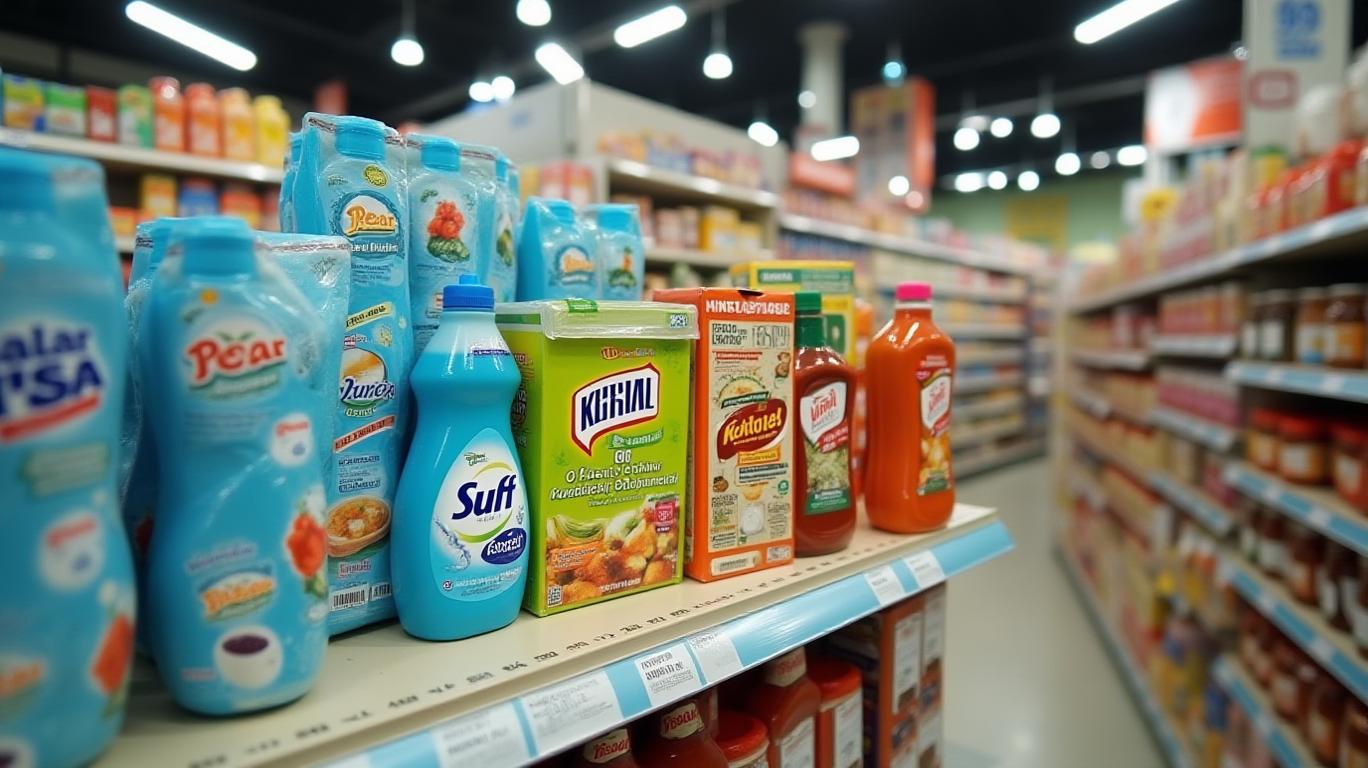
Category performance is uneven. Beauty & Personal Care (BPC) segments like Surf Excel and Pears soaps are bouncing back, driven by reinvestment and innovation. Meanwhile, the F&R segment faces a tougher road: while summer demand for tea and ketchup may provide a boost, urban consumers remain price-sensitive.
The Risks Lurking Ahead
Input cost inflation poses a looming threat. Cocoa and dairy prices, critical for ice cream brands like Magnum, are rising—potentially squeezing margins in coming quarters. This contrasts with Q1’s benefits from prior cost deflation, suggesting 2025 could be tougher.
Additionally, India’s overall market growth in 2024 was lackluster, with Unilever’s Indian operations contributing just 1.8% to Emerging Markets sales. HUL must double down on premiumization and e-commerce to reclaim momentum.
Conclusion: A Glimmer of Hope, but Challenges Remain
HUL’s Q1 results underscore a company navigating choppy waters with deft moves. Rural demand and volume-led growth are stabilizing the top line, while cost discipline is protecting margins. Yet, the urban slowdown and rising input costs mean profit gains are fragile.
The data tells the story: if HUL can sustain rural momentum and mitigate cost pressures, its 2025 outlook could improve. But with wage growth stagnant and commodity prices rising, investors should remain cautious. For now, the company’s strategic focus on premium brands and core categories offers a path forward—but execution will determine whether this recovery is a blip or a breakthrough.
In the end, HUL’s results are a microcosm of India’s economy: pockets of strength in rural areas contrast with urban stagnation. For investors, the question is whether the company can harness its rural tailwind long enough to weather the storm.





Comentarios
Aún no hay comentarios