
Unfreezing Russia's Reserves: A Path to Ukraine's Recovery
Generado por agente de IATheodore Quinn
miércoles, 5 de marzo de 2025, 11:53 am ET2 min de lectura
WEST--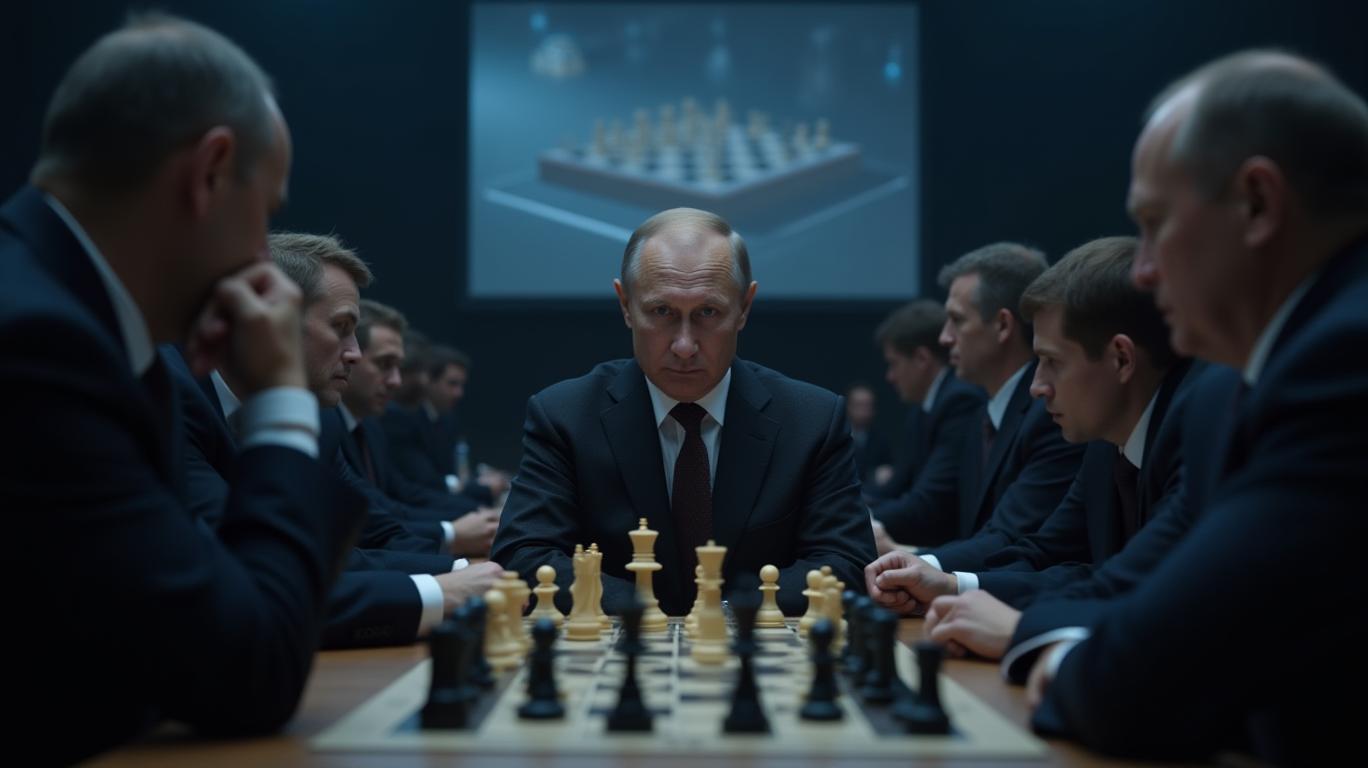
The West's sanctions against Russia following its invasion of Ukraine have resulted in the freezing of nearly $300 billion in Russian central-bank assets. As the conflict enters its third year, discussions have emerged on how to utilize these frozen reserves to support Ukraine's defense and reconstruction efforts. This article explores the potential implications and strategies for managing and allocating these seized funds.
Legal and Economic Implications
Seizing Russia's frozen reserves raises significant legal and economic concerns. While some argue that it is a just response to Russia's aggression, others warn of potential consequences for the global financial system and international law. The WestWEST-- should consider alternative measures, such as seizing the income generated by the assets and making reparations a condition of any eventual release of Russia's reserves. Additionally, the West should continue to support the meticulous recording of war crimes and damage to ensure evidence is available for any eventual financial showdown.
Maximizing Impact on Ukraine's Defense and Reconstruction
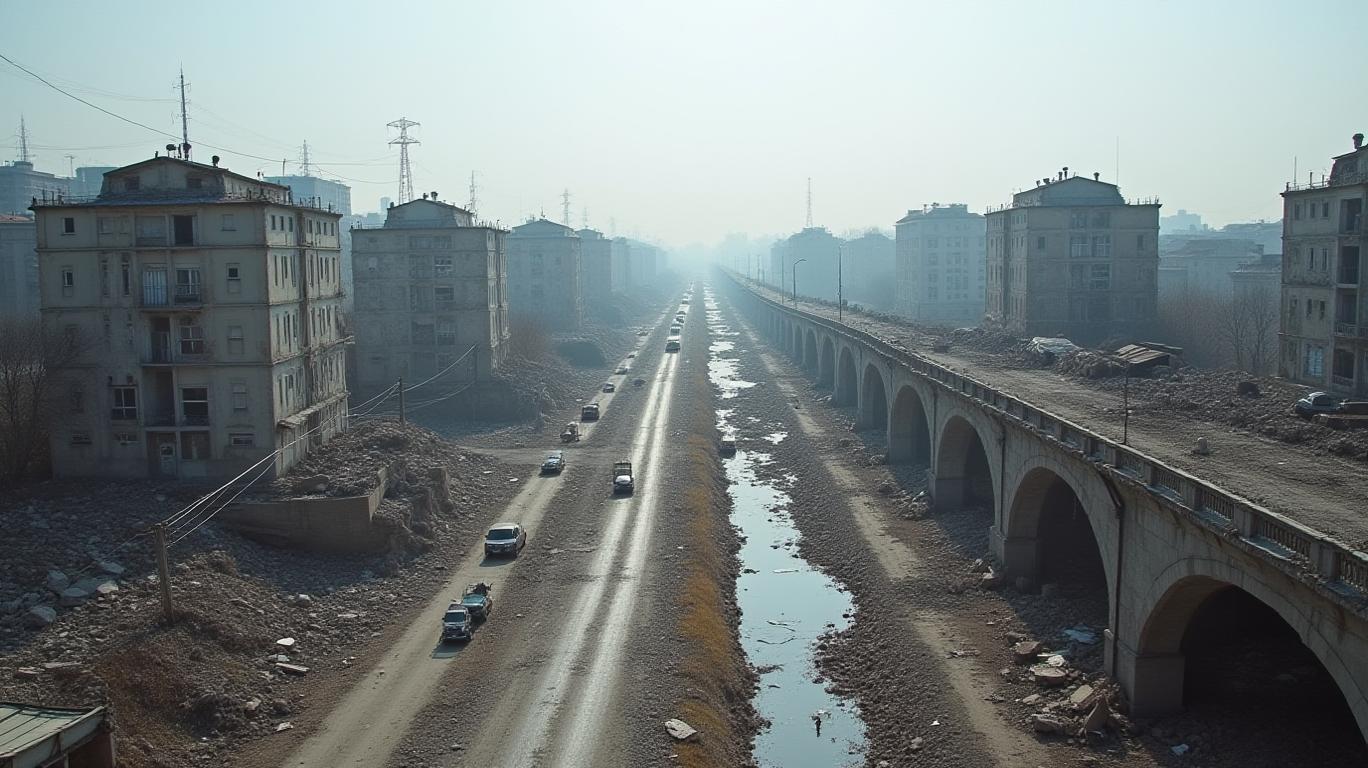
To effectively manage and allocate the seized funds, the West should establish a dedicated fund for Ukraine, such as the Ukraine Recovery Fund, to oversee the distribution of the assets. This fund should prioritize immediate defense needs, investing in military equipment, weapons, and ammunition to support Ukraine's resistance against Russian aggression. Additionally, a portion of the seized funds should be allocated to rebuild and repair Ukraine's infrastructure, including roads, bridges, schools, and hospitals, to help the country recover from the war's devastation. Supporting economic recovery by providing loans or grants to small and medium-sized enterprises, promoting investment, and creating jobs will also be crucial.
Ensuring Transparency and Accountability
To ensure that the seized funds are used effectively and transparently, the West should implement strict oversight and monitoring mechanisms. This can include regular audits, public reporting, and independent evaluations. Collaborating with international organizations, such as the United Nations, the European Union, and the International Monetary Fund, will also be essential to coordinate the use of the seized funds with other sources of support for Ukraine.
Long-term Consequences on Global Financial Stability and the International Order
Seizing Russia's frozen reserves could have several potential long-term consequences on global financial stability and the international order. Erosion of trust in international financial systems, fragmentation of global financial markets, legal repercussions, impact on international law and norms, and potential retaliation and escalation are all factors to consider. The West should weigh these potential risks when deciding on the appropriate course of action regarding Russia's frozen assets.
In conclusion, while seizing Russia's frozen reserves may seem like a just response to its aggression against Ukraine, the legal and economic implications are significant. By establishing a dedicated fund for Ukraine, prioritizing immediate defense needs, investing in infrastructure and economic recovery, and ensuring transparency and accountability, the West can effectively manage and allocate the seized funds to maximize their impact on Ukraine's defense and reconstruction efforts. However, the West must also consider the potential long-term consequences on global financial stability and the international order when deciding on the appropriate course of action.
The West's sanctions against Russia following its invasion of Ukraine have resulted in the freezing of nearly $300 billion in Russian central-bank assets. As the conflict enters its third year, discussions have emerged on how to utilize these frozen reserves to support Ukraine's defense and reconstruction efforts. This article explores the potential implications and strategies for managing and allocating these seized funds.
Legal and Economic Implications
Seizing Russia's frozen reserves raises significant legal and economic concerns. While some argue that it is a just response to Russia's aggression, others warn of potential consequences for the global financial system and international law. The WestWEST-- should consider alternative measures, such as seizing the income generated by the assets and making reparations a condition of any eventual release of Russia's reserves. Additionally, the West should continue to support the meticulous recording of war crimes and damage to ensure evidence is available for any eventual financial showdown.
Maximizing Impact on Ukraine's Defense and Reconstruction
To effectively manage and allocate the seized funds, the West should establish a dedicated fund for Ukraine, such as the Ukraine Recovery Fund, to oversee the distribution of the assets. This fund should prioritize immediate defense needs, investing in military equipment, weapons, and ammunition to support Ukraine's resistance against Russian aggression. Additionally, a portion of the seized funds should be allocated to rebuild and repair Ukraine's infrastructure, including roads, bridges, schools, and hospitals, to help the country recover from the war's devastation. Supporting economic recovery by providing loans or grants to small and medium-sized enterprises, promoting investment, and creating jobs will also be crucial.
Ensuring Transparency and Accountability
To ensure that the seized funds are used effectively and transparently, the West should implement strict oversight and monitoring mechanisms. This can include regular audits, public reporting, and independent evaluations. Collaborating with international organizations, such as the United Nations, the European Union, and the International Monetary Fund, will also be essential to coordinate the use of the seized funds with other sources of support for Ukraine.
Long-term Consequences on Global Financial Stability and the International Order
Seizing Russia's frozen reserves could have several potential long-term consequences on global financial stability and the international order. Erosion of trust in international financial systems, fragmentation of global financial markets, legal repercussions, impact on international law and norms, and potential retaliation and escalation are all factors to consider. The West should weigh these potential risks when deciding on the appropriate course of action regarding Russia's frozen assets.
In conclusion, while seizing Russia's frozen reserves may seem like a just response to its aggression against Ukraine, the legal and economic implications are significant. By establishing a dedicated fund for Ukraine, prioritizing immediate defense needs, investing in infrastructure and economic recovery, and ensuring transparency and accountability, the West can effectively manage and allocate the seized funds to maximize their impact on Ukraine's defense and reconstruction efforts. However, the West must also consider the potential long-term consequences on global financial stability and the international order when deciding on the appropriate course of action.

Divulgación editorial y transparencia de la IA: Ainvest News utiliza tecnología avanzada de Modelos de Lenguaje Largo (LLM) para sintetizar y analizar datos de mercado en tiempo real. Para garantizar los más altos estándares de integridad, cada artículo se somete a un riguroso proceso de verificación con participación humana.
Mientras la IA asiste en el procesamiento de datos y la redacción inicial, un miembro editorial profesional de Ainvest revisa, verifica y aprueba de forma independiente todo el contenido para garantizar su precisión y cumplimiento con los estándares editoriales de Ainvest Fintech Inc. Esta supervisión humana está diseñada para mitigar las alucinaciones de la IA y garantizar el contexto financiero.
Advertencia sobre inversiones: Este contenido se proporciona únicamente con fines informativos y no constituye asesoramiento profesional de inversión, legal o financiero. Los mercados conllevan riesgos inherentes. Se recomienda a los usuarios que realicen una investigación independiente o consulten a un asesor financiero certificado antes de tomar cualquier decisión. Ainvest Fintech Inc. se exime de toda responsabilidad por las acciones tomadas con base en esta información. ¿Encontró un error? Reportar un problema


SOBRE NOSOTROS
Nuestra historiaAutores de noticiasBase de conocimientosPolítica de privacidadTérmino de usoDescargo de responsabilidad de corretaje de tercerosTérminos de uso de AIMEDivulgaciones de riesgos de AInvest AICarrerasCONTÁCTENOS
Email: support@ainvest.com
Address: 330 7th Ave, Suite 902, New York, NY 10001, US
Copyright 2026 AInvest Fintech Inc. All rights reserved.


Comentarios
Aún no hay comentarios