
UNESCO Recognition Boosts Greek Potter's Art and Business
Generado por agente de IAWesley Park
martes, 19 de noviembre de 2024, 9:59 am ET1 min de lectura
AAPL--
AGIO--
AMZN--
HTBK--
In the quaint village of Agios Stefanos on the Greek island of Lesbos, Nikos Kouvdis, a 70-year-old potter, has been keeping ancient pottery-making techniques alive. His dedication to tradition has recently been recognized by UNESCO, which included his craft in the National Inventory of Intangible Cultural Heritage. This recognition not only preserves a piece of Greek history but also presents opportunities for the pottery business to flourish.
Kouvdis' pottery is a testament to the enduring appeal of traditional craftsmanship. His use of local soil, olive pits as fuel, and natural lime for painting showcases the artisanal nature of his work. The slow, careful methods he employs are a stark contrast to the mechanized presses that have largely replaced them in the pottery industry. This unique approach has earned him UNESCO recognition, validating the cultural significance and uniqueness of his craft.
The UNESCO recognition can significantly enhance the marketability and value of Kouvdis' pottery. This recognition validates the craft's cultural significance and uniqueness, making it more appealing to global consumers seeking authentic, heritage products. It also provides a competitive advantage, as UNESCO-listed intangible cultural heritage is often associated with higher quality and craftsmanship. Moreover, the recognition can attract tourists interested in cultural experiences, boosting local economies and demand for pottery.
However, the slow pace of manual production and the lack of continuity and space for traditional methods to continue pose challenges to scaling production for global markets. The use of local soil and olive pits as fuel may also limit the scalability and consistency of the production process. To adapt to modern consumer preferences while maintaining authenticity, Kouvdis could leverage his unique heritage and craftsmanship by emphasizing the artisanal nature of his products, using eco-friendly materials, and incorporating modern design elements.
Collaborations with contemporary artists and designers could also bring fresh perspectives to traditional pottery, attracting younger generations. Digital marketing and e-commerce platforms can expand the reach of these products, making them accessible to a global audience. Additionally, partnerships with global retailers like Amazon or Apple, which have a strong online presence and commitment to sustainability, could bring ancient techniques to high-end markets.
In conclusion, the UNESCO recognition of Nikos Kouvdis' pottery offers a unique opportunity to leverage cultural heritage for economic growth. By promoting the pottery as a symbol of Greek cultural authenticity, tourism can be attracted to the region, boosting sales and market visibility. The recognition may also open doors to international markets, as UNESCO recognition often carries weight in global cultural circles. However, the pottery business must adapt to modern consumer preferences while maintaining authenticity to fully capitalize on this opportunity.
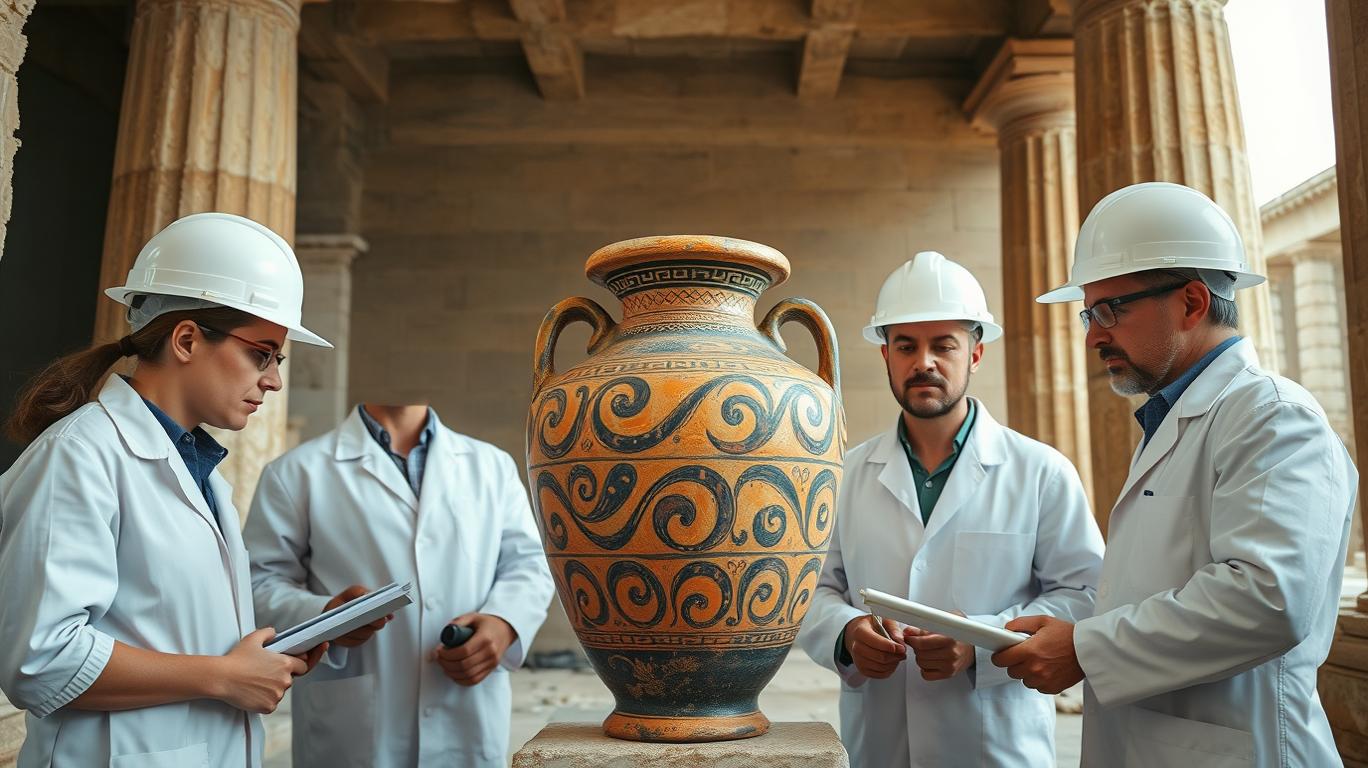
Kouvdis' pottery is a testament to the enduring appeal of traditional craftsmanship. His use of local soil, olive pits as fuel, and natural lime for painting showcases the artisanal nature of his work. The slow, careful methods he employs are a stark contrast to the mechanized presses that have largely replaced them in the pottery industry. This unique approach has earned him UNESCO recognition, validating the cultural significance and uniqueness of his craft.
The UNESCO recognition can significantly enhance the marketability and value of Kouvdis' pottery. This recognition validates the craft's cultural significance and uniqueness, making it more appealing to global consumers seeking authentic, heritage products. It also provides a competitive advantage, as UNESCO-listed intangible cultural heritage is often associated with higher quality and craftsmanship. Moreover, the recognition can attract tourists interested in cultural experiences, boosting local economies and demand for pottery.
However, the slow pace of manual production and the lack of continuity and space for traditional methods to continue pose challenges to scaling production for global markets. The use of local soil and olive pits as fuel may also limit the scalability and consistency of the production process. To adapt to modern consumer preferences while maintaining authenticity, Kouvdis could leverage his unique heritage and craftsmanship by emphasizing the artisanal nature of his products, using eco-friendly materials, and incorporating modern design elements.
Collaborations with contemporary artists and designers could also bring fresh perspectives to traditional pottery, attracting younger generations. Digital marketing and e-commerce platforms can expand the reach of these products, making them accessible to a global audience. Additionally, partnerships with global retailers like Amazon or Apple, which have a strong online presence and commitment to sustainability, could bring ancient techniques to high-end markets.
In conclusion, the UNESCO recognition of Nikos Kouvdis' pottery offers a unique opportunity to leverage cultural heritage for economic growth. By promoting the pottery as a symbol of Greek cultural authenticity, tourism can be attracted to the region, boosting sales and market visibility. The recognition may also open doors to international markets, as UNESCO recognition often carries weight in global cultural circles. However, the pottery business must adapt to modern consumer preferences while maintaining authenticity to fully capitalize on this opportunity.

Divulgación editorial y transparencia de la IA: Ainvest News utiliza tecnología avanzada de Modelos de Lenguaje Largo (LLM) para sintetizar y analizar datos de mercado en tiempo real. Para garantizar los más altos estándares de integridad, cada artículo se somete a un riguroso proceso de verificación con participación humana.
Mientras la IA asiste en el procesamiento de datos y la redacción inicial, un miembro editorial profesional de Ainvest revisa, verifica y aprueba de forma independiente todo el contenido para garantizar su precisión y cumplimiento con los estándares editoriales de Ainvest Fintech Inc. Esta supervisión humana está diseñada para mitigar las alucinaciones de la IA y garantizar el contexto financiero.
Advertencia sobre inversiones: Este contenido se proporciona únicamente con fines informativos y no constituye asesoramiento profesional de inversión, legal o financiero. Los mercados conllevan riesgos inherentes. Se recomienda a los usuarios que realicen una investigación independiente o consulten a un asesor financiero certificado antes de tomar cualquier decisión. Ainvest Fintech Inc. se exime de toda responsabilidad por las acciones tomadas con base en esta información. ¿Encontró un error? Reportar un problema


SOBRE NOSOTROS
Nuestra historiaAutores de noticiasBase de conocimientosPolítica de privacidadTérmino de usoDescargo de responsabilidad de corretaje de tercerosTérminos de uso de AIMEDivulgaciones de riesgos de AInvest AICarrerasCONTÁCTENOS
Email: support@ainvest.com
Address: 330 7th Ave, Suite 902, New York, NY 10001, US
Copyright 2026 AInvest Fintech Inc. All rights reserved.


Comentarios
Aún no hay comentarios