
Understanding Market Sentiment: The Invisible Force Driving Stock Prices
Generado por agente de IAAinvest Investing 101
viernes, 28 de febrero de 2025, 8:50 pm ET2 min de lectura
WTRG--
Introduction
Investing in the stock market can sometimes feel like trying to predict the weather. Just as meteorologists study patterns to forecast the weather, investors must understand certain financial concepts to anticipate stock market movements. One such concept is market sentiment. Understanding market sentiment is crucial for investors because it can influence stock prices significantly, often more than fundamental financial metrics.
Core Concept Explanation
Market sentiment refers to the overall attitude of investors towards a particular financial market or asset. It is the collective mood or psychology of market participants and can be bullish (optimistic) or bearish (pessimistic). When the sentiment is bullish, investors expect prices to rise, leading to increased buying. Conversely, a bearish sentiment indicates expectations of falling prices, resulting in more selling.
Market sentiment is often driven by factors such as economic indicators, news events, and company performance. However, it can also be influenced by emotions, speculation, and herd behavior, where investors follow the crowd rather than making independent decisions.
Application and Strategies
Understanding market sentiment can help investors make informed decisions. Here are some strategies to consider:
Sentiment Analysis: Investors can use tools and indicators, such as the Volatility Index (VIX) or sentiment surveys, to gauge the market mood. These tools help predict market movements by analyzing the emotions of investors.
Contrarian Investing: This strategy involves going against prevailing market trends. If the market is overly bullish, a contrarian investor might sell, anticipating that the prices will soon fall. Conversely, in a bearish market, they might buy in expectation of a price increase.
Momentum Trading: This involves capitalizing on the strength of market trends. If the sentiment is bullish and prices are rising, momentum traders buy in hopes the trend will continue. They look for signs of strong sentiment and ride the wave until an indication of reversal appears.
Case Study Analysis
During the early stages of the COVID-19 pandemic, market sentiment turned distinctly bearish. News of the virus spreading and its potential economic impact caused widespread panic, leading to a dramatic stock market decline in March 2020.
However, as governments and central banks announced unprecedented stimulus measures, the sentiment shifted. Investors regained confidence, leading to a rapid market recovery, even though the economic fundamentals had not yet improved significantly. This demonstrates how sentiment, rather than financial metrics, can drive market movements.
Risks and Considerations
Market sentiment can be volatile and unpredictable, leading to potential risks:
Emotional Bias: Investors may make decisions based on emotions rather than logic, leading to irrational buying or selling.
Herd Behavior: Following the crowd can result in buying overpriced stocks or selling undervalued ones.
Overreacting to News: Sentiment can cause overreaction to news events, leading to excessive market volatility.
To mitigate these risks, investors should conduct thorough research, diversify their portfolios, and maintain a disciplined risk management strategy. It's essential to balance sentiment analysis with fundamental and technical analysis to make well-rounded investment decisions.
Conclusion
Market sentiment is a powerful force that can significantly impact stock prices. By understanding and analyzing market sentiment, investors can gain insights into potential market movements and develop strategies to capitalize on these trends. However, it is crucial to be aware of the risks associated with sentiment-driven decisions and to employ a comprehensive investment strategy that includes risk management and thorough research. By doing so, investors can navigate the complexities of the stock market more effectively.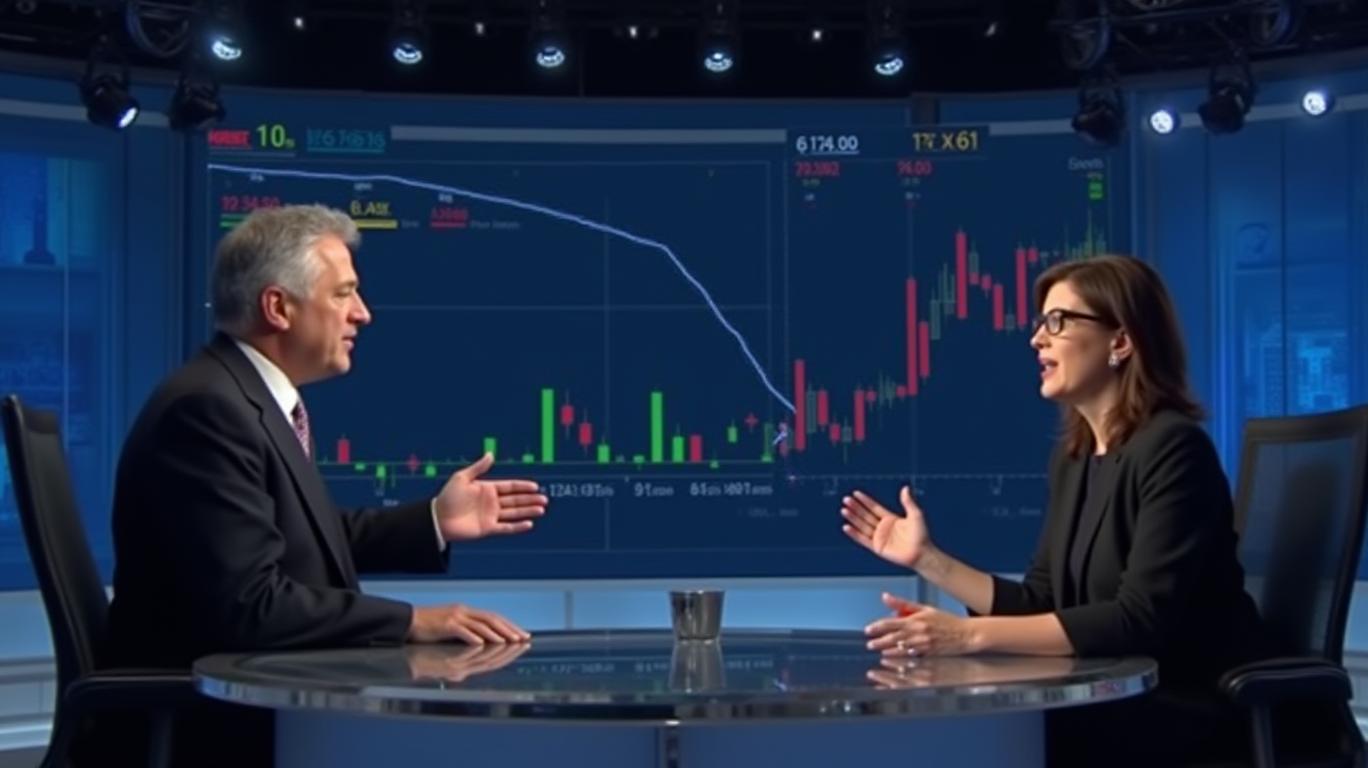
Investing in the stock market can sometimes feel like trying to predict the weather. Just as meteorologists study patterns to forecast the weather, investors must understand certain financial concepts to anticipate stock market movements. One such concept is market sentiment. Understanding market sentiment is crucial for investors because it can influence stock prices significantly, often more than fundamental financial metrics.
Core Concept Explanation
Market sentiment refers to the overall attitude of investors towards a particular financial market or asset. It is the collective mood or psychology of market participants and can be bullish (optimistic) or bearish (pessimistic). When the sentiment is bullish, investors expect prices to rise, leading to increased buying. Conversely, a bearish sentiment indicates expectations of falling prices, resulting in more selling.
Market sentiment is often driven by factors such as economic indicators, news events, and company performance. However, it can also be influenced by emotions, speculation, and herd behavior, where investors follow the crowd rather than making independent decisions.
Application and Strategies
Understanding market sentiment can help investors make informed decisions. Here are some strategies to consider:
Sentiment Analysis: Investors can use tools and indicators, such as the Volatility Index (VIX) or sentiment surveys, to gauge the market mood. These tools help predict market movements by analyzing the emotions of investors.
Contrarian Investing: This strategy involves going against prevailing market trends. If the market is overly bullish, a contrarian investor might sell, anticipating that the prices will soon fall. Conversely, in a bearish market, they might buy in expectation of a price increase.
Momentum Trading: This involves capitalizing on the strength of market trends. If the sentiment is bullish and prices are rising, momentum traders buy in hopes the trend will continue. They look for signs of strong sentiment and ride the wave until an indication of reversal appears.
Case Study Analysis
During the early stages of the COVID-19 pandemic, market sentiment turned distinctly bearish. News of the virus spreading and its potential economic impact caused widespread panic, leading to a dramatic stock market decline in March 2020.
However, as governments and central banks announced unprecedented stimulus measures, the sentiment shifted. Investors regained confidence, leading to a rapid market recovery, even though the economic fundamentals had not yet improved significantly. This demonstrates how sentiment, rather than financial metrics, can drive market movements.
Risks and Considerations
Market sentiment can be volatile and unpredictable, leading to potential risks:
Emotional Bias: Investors may make decisions based on emotions rather than logic, leading to irrational buying or selling.
Herd Behavior: Following the crowd can result in buying overpriced stocks or selling undervalued ones.
Overreacting to News: Sentiment can cause overreaction to news events, leading to excessive market volatility.
To mitigate these risks, investors should conduct thorough research, diversify their portfolios, and maintain a disciplined risk management strategy. It's essential to balance sentiment analysis with fundamental and technical analysis to make well-rounded investment decisions.
Conclusion
Market sentiment is a powerful force that can significantly impact stock prices. By understanding and analyzing market sentiment, investors can gain insights into potential market movements and develop strategies to capitalize on these trends. However, it is crucial to be aware of the risks associated with sentiment-driven decisions and to employ a comprehensive investment strategy that includes risk management and thorough research. By doing so, investors can navigate the complexities of the stock market more effectively.

Divulgación editorial y transparencia de la IA: Ainvest News utiliza tecnología avanzada de Modelos de Lenguaje Largo (LLM) para sintetizar y analizar datos de mercado en tiempo real. Para garantizar los más altos estándares de integridad, cada artículo se somete a un riguroso proceso de verificación con participación humana.
Mientras la IA asiste en el procesamiento de datos y la redacción inicial, un miembro editorial profesional de Ainvest revisa, verifica y aprueba de forma independiente todo el contenido para garantizar su precisión y cumplimiento con los estándares editoriales de Ainvest Fintech Inc. Esta supervisión humana está diseñada para mitigar las alucinaciones de la IA y garantizar el contexto financiero.
Advertencia sobre inversiones: Este contenido se proporciona únicamente con fines informativos y no constituye asesoramiento profesional de inversión, legal o financiero. Los mercados conllevan riesgos inherentes. Se recomienda a los usuarios que realicen una investigación independiente o consulten a un asesor financiero certificado antes de tomar cualquier decisión. Ainvest Fintech Inc. se exime de toda responsabilidad por las acciones tomadas con base en esta información. ¿Encontró un error? Reportar un problema


SOBRE NOSOTROS
Nuestra historiaAutores de noticiasBase de conocimientosPolítica de privacidadTérmino de usoDescargo de responsabilidad de corretaje de tercerosTérminos de uso de AIMEDivulgaciones de riesgos de AInvest AICarrerasCONTÁCTENOS
Email: support@ainvest.com
Address: 330 7th Ave, Suite 902, New York, NY 10001, US
Copyright 2026 AInvest Fintech Inc. All rights reserved.


Comentarios
Aún no hay comentarios