
Understanding Joint Parliamentary Committees (JPCs) and Their Role in Indian Legislation
PorAinvest
sábado, 21 de diciembre de 2024, 8:11 am ET2 min de lectura
JPC--
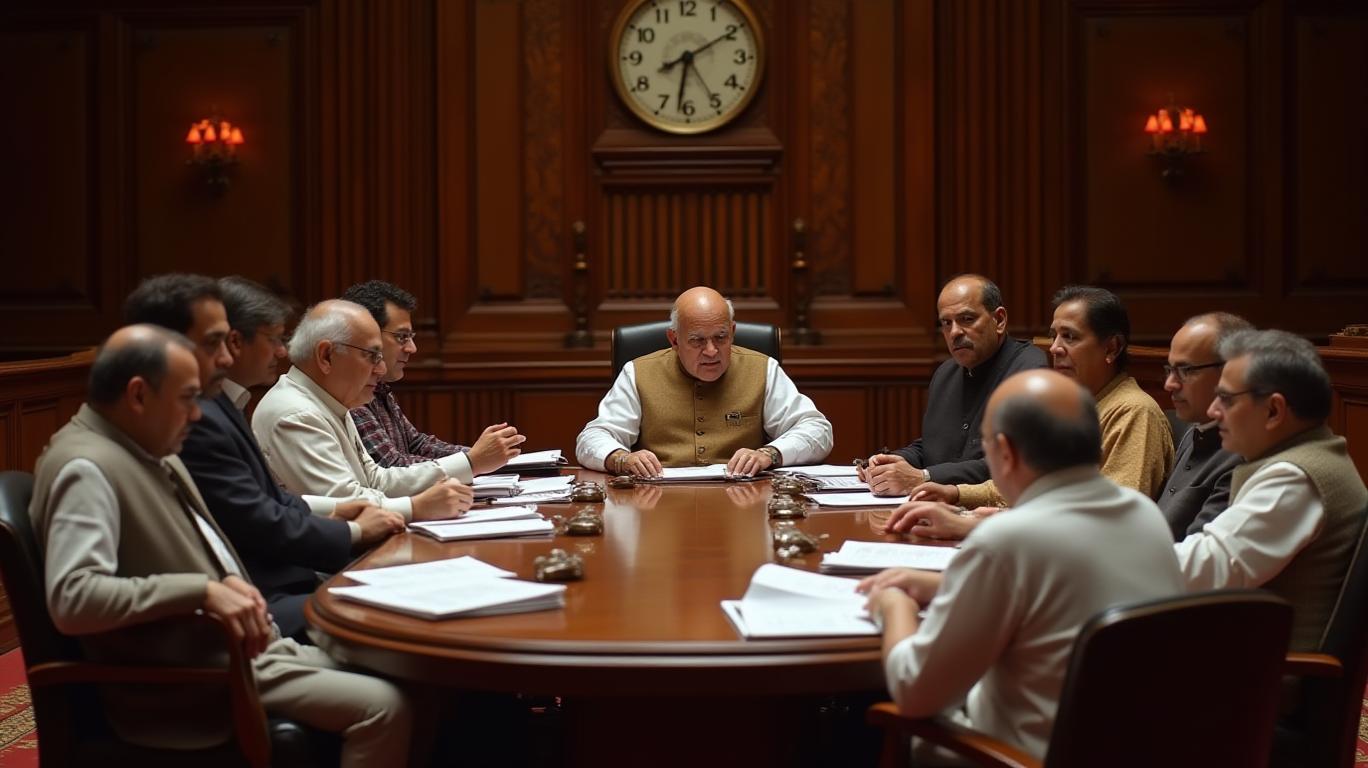
A JPC is an essential component of India's democratic framework, serving as a platform for comprehensive analysis and consultation on critical matters such as proposed legislation or policy issues [1][2]. The committee is formed with members drawn from both Houses of Parliament, reflecting proportional party strength [1]. The JPC's mandate is to examine bills, policies, or specific issues referred to it, consult stakeholders, experts, and officials, and summon documents, witnesses, and experts as necessary [1].
The latest JPC, comprising 31 members, is examining the "One Nation, One Election" bill, which aims to synchronize elections for the Lok Sabha and State Assemblies [1]. This ambitious proposal, if enacted, could significantly impact India's political landscape and the way elections are conducted in the country [3].
The JPC's recommendations, while advisory, carry significant weight due to the comprehensive analysis and consultation that underpin them [1]. The committee's findings and recommendations are submitted to the Parliament for further discussion and action [1].
The JPC's examination of the "One Nation, One Election" bill comes at a time when the Indian political landscape is undergoing significant change, with ongoing efforts to reform various aspects of the country's democratic institutions [3]. The committee's role in providing a thorough and objective examination of the proposed legislation is crucial in ensuring that any changes to the electoral process are well-informed, fair, and in the best interests of the country.
In conclusion, the ongoing examination of the "One Nation, One Election" bill by India's Joint Parliamentary Committee is a testament to the importance of this ad-hoc panel in the country's democratic framework. The committee's role in providing a thorough and objective examination of critical matters such as proposed legislation is essential in ensuring that any changes to the country's democratic institutions are well-informed, fair, and in the best interests of the country.
References:
[1] Insights on India. (2024, December 19). Joint Parliamentary Committee (JPC). https://www.insightsonindia.com/2024/12/19/joint-parliamentary-committee-jpc/
[2] IASgyan. (n.d.). Joint Parliamentary Committee (JPC). https://www.iasgyan.in/daily-current-affairs/joint-parliamentary-committee-jpc
[3] The Hindu. (2024, January 10). One nation, one election: The challenges and opportunities. https://www.thehindu.com/news/national/one-nation-one-election-the-challenges-and-opportunities/article39916743.ece
A Joint Parliamentary Committee (JPC) is an ad-hoc panel examining a specific bill or subject. The committee has 31 members, with 21 from the Lok Sabha and 10 from the Rajya Sabha. JPCs have investigated critical issues such as the Bofors scandal and 2G spectrum allocation, but lack enforcement powers and the government is not obligated to act on their recommendations. The latest JPC is reviewing the 'One Nation, One Election' bill, aiming to synchronize elections for the Lok Sabha and State Assemblies.
The Indian political landscape is abuzz with the ongoing examination of the much-anticipated "One Nation, One Election" bill by a Joint Parliamentary Committee (JPC) [1]. This ad-hoc panel, established under the Rules of Procedure and Conduct of Business in Lok Sabha, is tasked with scrutinizing the merits and potential implications of the proposed legislation [1].A JPC is an essential component of India's democratic framework, serving as a platform for comprehensive analysis and consultation on critical matters such as proposed legislation or policy issues [1][2]. The committee is formed with members drawn from both Houses of Parliament, reflecting proportional party strength [1]. The JPC's mandate is to examine bills, policies, or specific issues referred to it, consult stakeholders, experts, and officials, and summon documents, witnesses, and experts as necessary [1].
The latest JPC, comprising 31 members, is examining the "One Nation, One Election" bill, which aims to synchronize elections for the Lok Sabha and State Assemblies [1]. This ambitious proposal, if enacted, could significantly impact India's political landscape and the way elections are conducted in the country [3].
The JPC's recommendations, while advisory, carry significant weight due to the comprehensive analysis and consultation that underpin them [1]. The committee's findings and recommendations are submitted to the Parliament for further discussion and action [1].
The JPC's examination of the "One Nation, One Election" bill comes at a time when the Indian political landscape is undergoing significant change, with ongoing efforts to reform various aspects of the country's democratic institutions [3]. The committee's role in providing a thorough and objective examination of the proposed legislation is crucial in ensuring that any changes to the electoral process are well-informed, fair, and in the best interests of the country.
In conclusion, the ongoing examination of the "One Nation, One Election" bill by India's Joint Parliamentary Committee is a testament to the importance of this ad-hoc panel in the country's democratic framework. The committee's role in providing a thorough and objective examination of critical matters such as proposed legislation is essential in ensuring that any changes to the country's democratic institutions are well-informed, fair, and in the best interests of the country.
References:
[1] Insights on India. (2024, December 19). Joint Parliamentary Committee (JPC). https://www.insightsonindia.com/2024/12/19/joint-parliamentary-committee-jpc/
[2] IASgyan. (n.d.). Joint Parliamentary Committee (JPC). https://www.iasgyan.in/daily-current-affairs/joint-parliamentary-committee-jpc
[3] The Hindu. (2024, January 10). One nation, one election: The challenges and opportunities. https://www.thehindu.com/news/national/one-nation-one-election-the-challenges-and-opportunities/article39916743.ece
Divulgación editorial y transparencia de la IA: Ainvest News utiliza tecnología avanzada de Modelos de Lenguaje Largo (LLM) para sintetizar y analizar datos de mercado en tiempo real. Para garantizar los más altos estándares de integridad, cada artículo se somete a un riguroso proceso de verificación con participación humana.
Mientras la IA asiste en el procesamiento de datos y la redacción inicial, un miembro editorial profesional de Ainvest revisa, verifica y aprueba de forma independiente todo el contenido para garantizar su precisión y cumplimiento con los estándares editoriales de Ainvest Fintech Inc. Esta supervisión humana está diseñada para mitigar las alucinaciones de la IA y garantizar el contexto financiero.
Advertencia sobre inversiones: Este contenido se proporciona únicamente con fines informativos y no constituye asesoramiento profesional de inversión, legal o financiero. Los mercados conllevan riesgos inherentes. Se recomienda a los usuarios que realicen una investigación independiente o consulten a un asesor financiero certificado antes de tomar cualquier decisión. Ainvest Fintech Inc. se exime de toda responsabilidad por las acciones tomadas con base en esta información. ¿Encontró un error? Reportar un problema


SOBRE NOSOTROS
Nuestra historiaAutores de noticiasBase de conocimientosPolítica de privacidadTérmino de usoDescargo de responsabilidad de corretaje de tercerosTérminos de uso de AIMEDivulgaciones de riesgos de AInvest AICarrerasCONTÁCTENOS
Email: support@ainvest.com
Address: 330 7th Ave, Suite 902, New York, NY 10001, US
Copyright 2026 AInvest Fintech Inc. All rights reserved.


Comentarios
Aún no hay comentarios