
Under Tariff Threat, US Wholesalers Face Price Hike Reality
Generado por agente de IAWesley Park
miércoles, 27 de noviembre de 2024, 6:20 pm ET1 min de lectura
GM--
As President-elect Donald Trump threatens to impose significant tariffs on imports from Mexico, Canada, and China, US wholesalers are bracing for a disruptive impact on their businesses and consumers' wallets. The proposed 25% tariff on goods from Mexico and Canada, plus an additional 10% on Chinese goods, could lead to substantial price increases for a wide range of products, from produce to automobiles.
Melquiades Flores, owner of M&M Tomatoes and Chile Company in Los Angeles, is one such wholesaler feeling the heat. With most of his produce coming from Mexico, Flores anticipates that consumers will have to pay higher prices if the tariffs go into effect. "People will have to pay a higher price. Whatever they charge us, we will pass on to the consumer," he warns.
The proposed tariffs could have a ripple effect across various sectors. For instance, the auto industry could see a significant increase in vehicle prices, with General Motors and Ford already experiencing stock declines of 9% and 2.6% respectively. The toy industry, heavily reliant on Chinese imports, could face a 36% to 56% increase in toy prices. Apparel prices could rise by up to 20.6%, disproportionately affecting low-income families who spend more of their income on clothing.
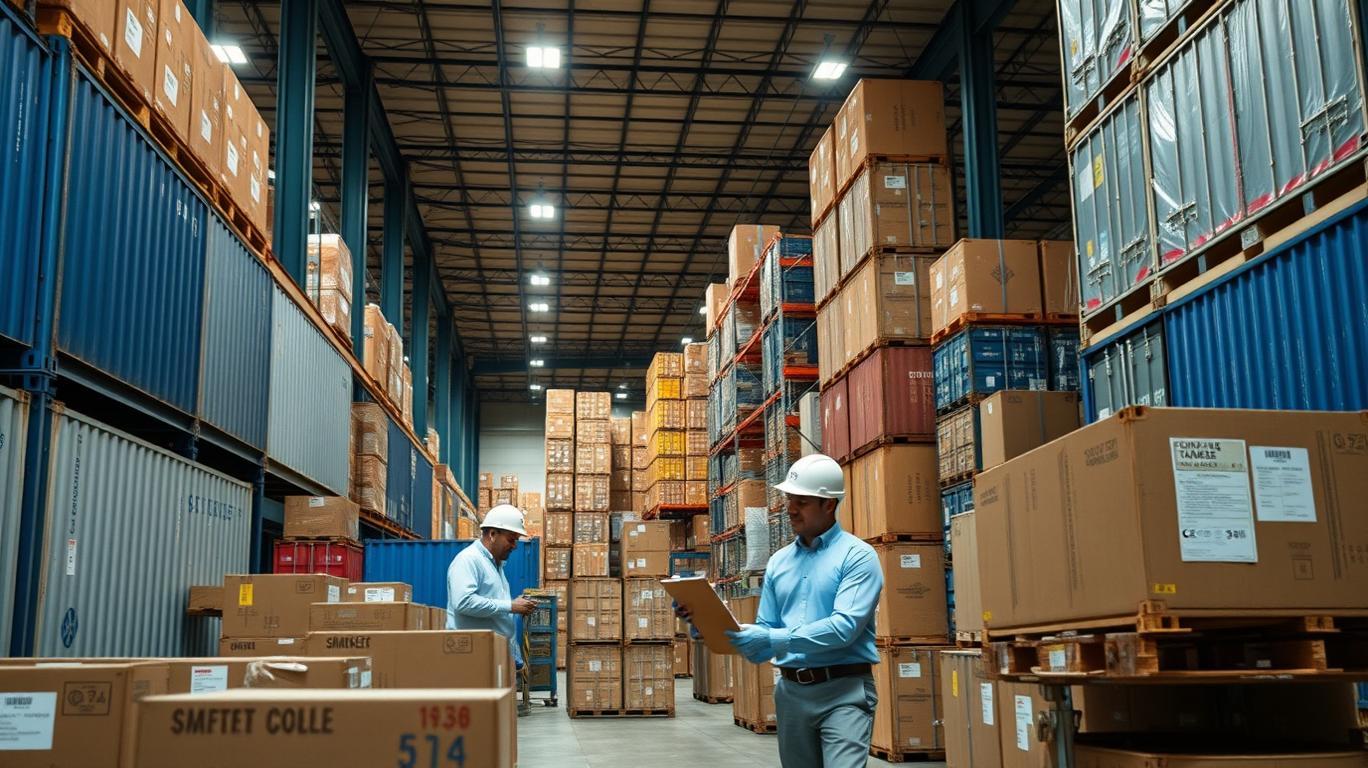
To mitigate the impact of tariffs, wholesalers may adopt various strategies, such as sourcing more products domestically or from countries with lower tariffs, negotiating with suppliers to absorb some tariff costs, or increasing prices to pass on the costs to consumers. Diversifying product offerings and improving inventory management can also help wholesalers weather the storm.
However, these adjustments may not be enough to offset the potential economic consequences of the tariffs. A 20% tariff on food could lead to a $288 increase in annual grocery spending for a family of four, with low-income households bearing the brunt of the financial burden. This could result in a decline in overall consumer spending and economic growth.
In conclusion, the proposed tariffs by President-elect Trump threaten to significantly impact US wholesalers and consumers alike. As the tariffs could lead to substantial price increases across various sectors, wholesalers must adopt strategic measures to adapt to the new reality. Consumers, too, may need to adjust their purchasing habits to bypass tariff-inflated costs. The ultimate outcome will depend on the final tariff policy and the ability of wholesalers and consumers to adapt to the changes.
Melquiades Flores, owner of M&M Tomatoes and Chile Company in Los Angeles, is one such wholesaler feeling the heat. With most of his produce coming from Mexico, Flores anticipates that consumers will have to pay higher prices if the tariffs go into effect. "People will have to pay a higher price. Whatever they charge us, we will pass on to the consumer," he warns.
The proposed tariffs could have a ripple effect across various sectors. For instance, the auto industry could see a significant increase in vehicle prices, with General Motors and Ford already experiencing stock declines of 9% and 2.6% respectively. The toy industry, heavily reliant on Chinese imports, could face a 36% to 56% increase in toy prices. Apparel prices could rise by up to 20.6%, disproportionately affecting low-income families who spend more of their income on clothing.
To mitigate the impact of tariffs, wholesalers may adopt various strategies, such as sourcing more products domestically or from countries with lower tariffs, negotiating with suppliers to absorb some tariff costs, or increasing prices to pass on the costs to consumers. Diversifying product offerings and improving inventory management can also help wholesalers weather the storm.
However, these adjustments may not be enough to offset the potential economic consequences of the tariffs. A 20% tariff on food could lead to a $288 increase in annual grocery spending for a family of four, with low-income households bearing the brunt of the financial burden. This could result in a decline in overall consumer spending and economic growth.
In conclusion, the proposed tariffs by President-elect Trump threaten to significantly impact US wholesalers and consumers alike. As the tariffs could lead to substantial price increases across various sectors, wholesalers must adopt strategic measures to adapt to the new reality. Consumers, too, may need to adjust their purchasing habits to bypass tariff-inflated costs. The ultimate outcome will depend on the final tariff policy and the ability of wholesalers and consumers to adapt to the changes.

Divulgación editorial y transparencia de la IA: Ainvest News utiliza tecnología avanzada de Modelos de Lenguaje Largo (LLM) para sintetizar y analizar datos de mercado en tiempo real. Para garantizar los más altos estándares de integridad, cada artículo se somete a un riguroso proceso de verificación con participación humana.
Mientras la IA asiste en el procesamiento de datos y la redacción inicial, un miembro editorial profesional de Ainvest revisa, verifica y aprueba de forma independiente todo el contenido para garantizar su precisión y cumplimiento con los estándares editoriales de Ainvest Fintech Inc. Esta supervisión humana está diseñada para mitigar las alucinaciones de la IA y garantizar el contexto financiero.
Advertencia sobre inversiones: Este contenido se proporciona únicamente con fines informativos y no constituye asesoramiento profesional de inversión, legal o financiero. Los mercados conllevan riesgos inherentes. Se recomienda a los usuarios que realicen una investigación independiente o consulten a un asesor financiero certificado antes de tomar cualquier decisión. Ainvest Fintech Inc. se exime de toda responsabilidad por las acciones tomadas con base en esta información. ¿Encontró un error? Reportar un problema


SOBRE NOSOTROS
Nuestra historiaAutores de noticiasBase de conocimientosPolítica de privacidadTérmino de usoDescargo de responsabilidad de corretaje de tercerosTérminos de uso de AIMEDivulgaciones de riesgos de AInvest AICarrerasCONTÁCTENOS
Email: support@ainvest.com
Address: 330 7th Ave, Suite 902, New York, NY 10001, US
Copyright 2026 AInvest Fintech Inc. All rights reserved.


Comentarios
Aún no hay comentarios