
Ukrainian Drone Surge Highlights Russian Oil Refining Risk
Generado por agente de IATheodore Quinn
sábado, 1 de febrero de 2025, 3:46 am ET2 min de lectura
WTRG--
The recent surge in Ukrainian drone attacks on Russian oil refineries has raised concerns about the long-term profitability and sustainability of the Russian oil refining sector. As the conflict in Ukraine continues, these attacks have the potential to cause significant disruptions to Russia's energy security and contribute to inflation. Moreover, they could influence the global oil market, given Russia's role as a major oil exporter.
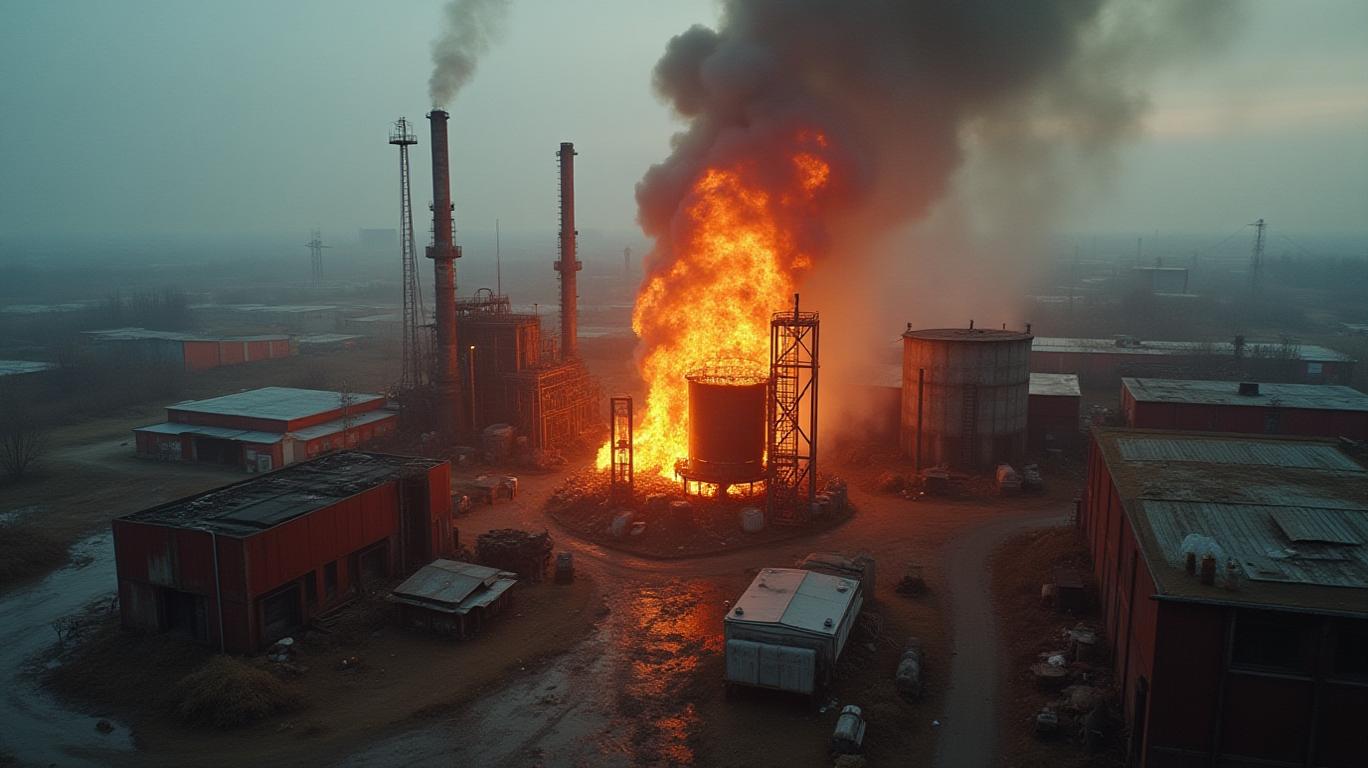
The attacks on Russian oil refineries and infrastructure have caused immediate disruptions, increased repair and maintenance costs, and created potential long-term damage. For instance, the Ust-Luga and Tuapse refineries, after being attacked, had to reduce their operations and product slate (Source: CNN, 2025-02-01). This results in immediate production losses and decreased revenue for the refineries. Additionally, the use of drones allows for repeated attacks on the same targets, potentially leading to cumulative damage that could be difficult to repair, especially given the challenges posed by Western sanctions.
These attacks have broader implications for the Russian economy and its war effort. Oil products are crucial for both the domestic market and the military, powering vehicles, aircraft, and other equipment. Disruptions in oil refining can lead to shortages, increased prices, and reduced availability of these products, straining the Russian economy and potentially limiting the military's capabilities (Source: CNN, 2025-02-01).
The attacks on oil refineries and infrastructure can also lead to increased inflation in Russia. This is because oil and oil products are essential inputs for many industries, and any disruption in their supply can lead to increased production costs. Higher production costs can then be passed on to consumers in the form of higher prices for goods and services, contributing to inflation. Additionally, the attacks can lead to a decrease in Russia's oil exports, which can further impact its economy and contribute to inflation. Russia's oil exports are a significant source of revenue for the country, and any decrease in these exports can lead to a decrease in government revenue, which can then impact the country's fiscal policy and contribute to inflation.

The drone attacks on Russian oil infrastructure could have significant implications for the global oil market, given Russia's status as a major oil exporter. A reduction in Russian oil exports could lead to an increase in global oil prices, as the market would be supplied with less oil. This is especially true if the attacks continue and cause more significant damage to Russia's refining capacity. For example, in 2022, when Russia invaded Ukraine and oil prices were already volatile, any disruption to Russian oil supplies could have exacerbated the situation.
Moreover, the uncertainty surrounding the conflict in Ukraine and the potential for further attacks on Russian oil infrastructure could lead to increased volatility in the global oil market. This could make it more difficult for businesses and consumers to predict and plan for future energy costs. Additionally, if Russian oil exports decrease significantly due to these attacks, it could open up opportunities for other major oil exporters, such as the United States, to increase their exports and capture a larger share of the global market. This could help to stabilize global oil prices and reduce the impact of the disruptions on the global economy.
In conclusion, the recent surge in Ukrainian drone attacks on Russian oil refineries has highlighted the significant risks facing the Russian oil refining sector. These attacks have the potential to cause long-term damage to the sector, impact Russia's energy security and contribute to inflation, and influence the global oil market. As the conflict in Ukraine continues, investors should closely monitor the situation and consider the potential implications for the oil refining sector and the broader economy.
The recent surge in Ukrainian drone attacks on Russian oil refineries has raised concerns about the long-term profitability and sustainability of the Russian oil refining sector. As the conflict in Ukraine continues, these attacks have the potential to cause significant disruptions to Russia's energy security and contribute to inflation. Moreover, they could influence the global oil market, given Russia's role as a major oil exporter.
The attacks on Russian oil refineries and infrastructure have caused immediate disruptions, increased repair and maintenance costs, and created potential long-term damage. For instance, the Ust-Luga and Tuapse refineries, after being attacked, had to reduce their operations and product slate (Source: CNN, 2025-02-01). This results in immediate production losses and decreased revenue for the refineries. Additionally, the use of drones allows for repeated attacks on the same targets, potentially leading to cumulative damage that could be difficult to repair, especially given the challenges posed by Western sanctions.
These attacks have broader implications for the Russian economy and its war effort. Oil products are crucial for both the domestic market and the military, powering vehicles, aircraft, and other equipment. Disruptions in oil refining can lead to shortages, increased prices, and reduced availability of these products, straining the Russian economy and potentially limiting the military's capabilities (Source: CNN, 2025-02-01).
The attacks on oil refineries and infrastructure can also lead to increased inflation in Russia. This is because oil and oil products are essential inputs for many industries, and any disruption in their supply can lead to increased production costs. Higher production costs can then be passed on to consumers in the form of higher prices for goods and services, contributing to inflation. Additionally, the attacks can lead to a decrease in Russia's oil exports, which can further impact its economy and contribute to inflation. Russia's oil exports are a significant source of revenue for the country, and any decrease in these exports can lead to a decrease in government revenue, which can then impact the country's fiscal policy and contribute to inflation.
The drone attacks on Russian oil infrastructure could have significant implications for the global oil market, given Russia's status as a major oil exporter. A reduction in Russian oil exports could lead to an increase in global oil prices, as the market would be supplied with less oil. This is especially true if the attacks continue and cause more significant damage to Russia's refining capacity. For example, in 2022, when Russia invaded Ukraine and oil prices were already volatile, any disruption to Russian oil supplies could have exacerbated the situation.
Moreover, the uncertainty surrounding the conflict in Ukraine and the potential for further attacks on Russian oil infrastructure could lead to increased volatility in the global oil market. This could make it more difficult for businesses and consumers to predict and plan for future energy costs. Additionally, if Russian oil exports decrease significantly due to these attacks, it could open up opportunities for other major oil exporters, such as the United States, to increase their exports and capture a larger share of the global market. This could help to stabilize global oil prices and reduce the impact of the disruptions on the global economy.
In conclusion, the recent surge in Ukrainian drone attacks on Russian oil refineries has highlighted the significant risks facing the Russian oil refining sector. These attacks have the potential to cause long-term damage to the sector, impact Russia's energy security and contribute to inflation, and influence the global oil market. As the conflict in Ukraine continues, investors should closely monitor the situation and consider the potential implications for the oil refining sector and the broader economy.

Divulgación editorial y transparencia de la IA: Ainvest News utiliza tecnología avanzada de Modelos de Lenguaje Largo (LLM) para sintetizar y analizar datos de mercado en tiempo real. Para garantizar los más altos estándares de integridad, cada artículo se somete a un riguroso proceso de verificación con participación humana.
Mientras la IA asiste en el procesamiento de datos y la redacción inicial, un miembro editorial profesional de Ainvest revisa, verifica y aprueba de forma independiente todo el contenido para garantizar su precisión y cumplimiento con los estándares editoriales de Ainvest Fintech Inc. Esta supervisión humana está diseñada para mitigar las alucinaciones de la IA y garantizar el contexto financiero.
Advertencia sobre inversiones: Este contenido se proporciona únicamente con fines informativos y no constituye asesoramiento profesional de inversión, legal o financiero. Los mercados conllevan riesgos inherentes. Se recomienda a los usuarios que realicen una investigación independiente o consulten a un asesor financiero certificado antes de tomar cualquier decisión. Ainvest Fintech Inc. se exime de toda responsabilidad por las acciones tomadas con base en esta información. ¿Encontró un error? Reportar un problema


SOBRE NOSOTROS
Nuestra historiaAutores de noticiasBase de conocimientosPolítica de privacidadTérmino de usoDescargo de responsabilidad de corretaje de tercerosTérminos de uso de AIMEDivulgaciones de riesgos de AInvest AICarrerasCONTÁCTENOS
Email: support@ainvest.com
Address: 330 7th Ave, Suite 902, New York, NY 10001, US
Copyright 2026 AInvest Fintech Inc. All rights reserved.


Comentarios
Aún no hay comentarios