
Ukraine's Turbulent Ceasefire: Navigating Risks and Opportunities in a Fractured Market
The brief Easter ceasefire between Russia and Ukraine, declared by Vladimir Putin, collapsed almost immediately, with Kyiv reporting over 2,000 violations within hours. Air raid sirens blared across half of Ukraine, underscoring the fragile nature of any truce in this protracted conflict. For investors, this volatility presents both risks and opportunities across sectors from agricultureANSC-- to defense. Below, we dissect the market implications and identify where capital might thrive—or falter—in this shifting landscape.
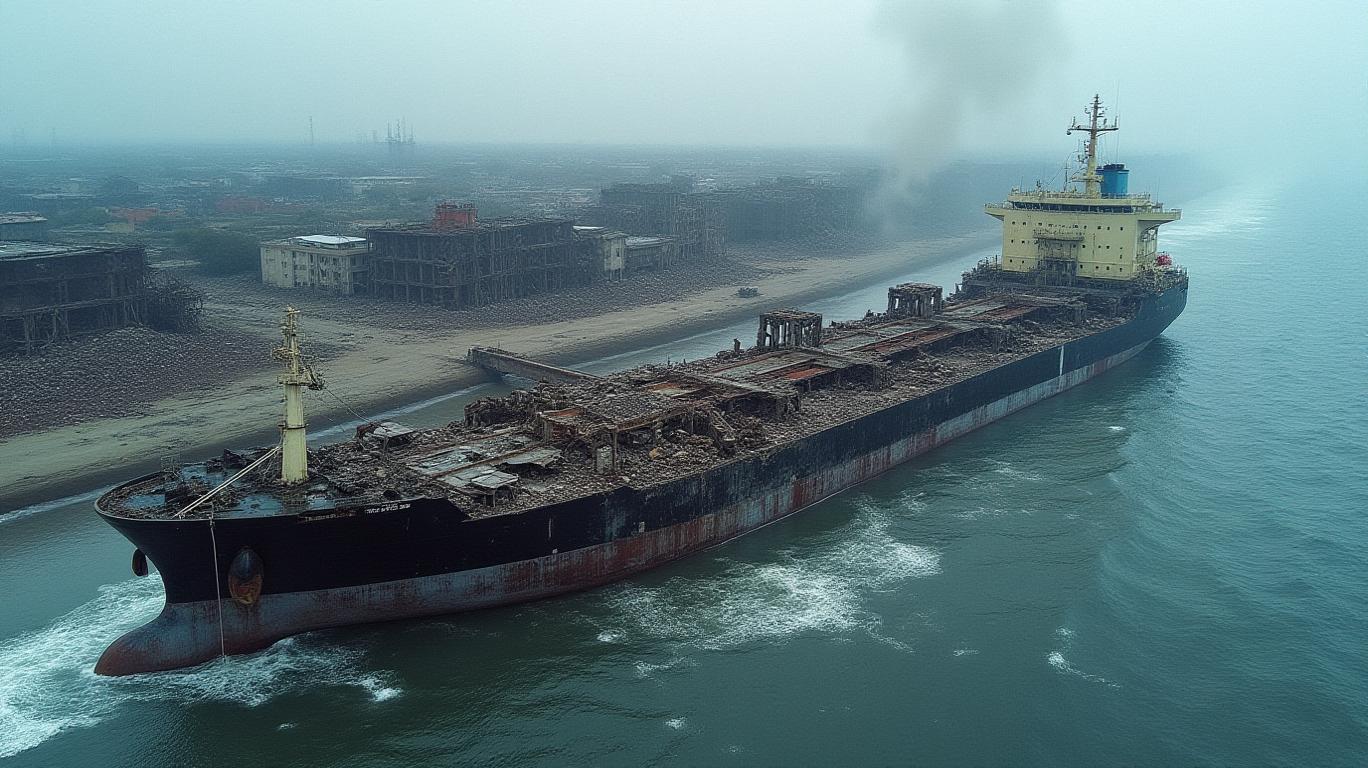
The Ceasefire’s Broken Promise and Its Economic Toll
The failed ceasefire reignites fears of prolonged disruption to Ukraine’s economy, which has already contracted by nearly 30% since 2020. Air raid alerts and infrastructure strikes—such as drone attacks on Kyiv’s power grid—threaten further damage to transportation and energy networks. The reveal a stark trajectory: GDP is expected to remain below 2019 levels through 2025, barring a sustained ceasefire.
For investors, the immediate risks lie in sectors tied to Ukraine’s physical infrastructure. Companies involved in rebuilding railways, ports, and energy grids—such as construction firms or engineering contractors—could see demand surge if stability returns. However, the constant threat of renewed attacks makes such investments highly speculative.
Agriculture: A Shift in Global Supply Chains
Ukraine’s role as a global breadbasket has been upended. Wheat exports fell to 35.5 million metric tons in 2024, a 30% drop from pre-war levels, as occupied farmland and damaged ports constrain production. The show prices remain 25% above pre-pandemic levels, despite a 45% decline from 2022 peaks. This creates opportunities for:
- Alternative Suppliers: Russia, the EU, and the U.S. have filled the gap, with Moscow’s wheat exports hitting a record 43 million tons in 2023-24. Investors might look to Russian agribusiness firms like Siderurgica or SovEcon, though sanctions risks persist.
- Storage and Logistics: Companies offering grain storage solutions or alternative shipping routes—such as container ports in Romania or rail links to Poland—are critical to bypassing Black Sea chokepoints.
- Fertilizer Alternatives: Ukraine’s farmers face soaring input costs due to disrupted fertilizer supplies from Russia. Startups developing organic or locally sourced fertilizers could see demand rise.
Defense and Security: A Boom for Western Contractors
The war has turbocharged defense spending. NATO members are collectively investing over €100 billion annually in military modernization, with the EU’s European Peace Facility allocating €17 billion to Ukraine’s military aid. The highlights a 40% increase in EU defense budgets since 2020.
Investors should focus on:
- U.S. Defense Giants: Firms like Lockheed Martin (LMT) and Raytheon (RTX) benefit from U.S. arms sales to Ukraine, which totaled $50 billion in 2023.
- NATO Infrastructure: Companies like Thales or BAE Systems, which supply cybersecurity systems and radar technology, are key to protecting European borders.
- Private Military Contractors: Firms offering drone defense systems or intelligence services—such as Anduril Industries—could see contracts expand as NATO countries invest in hybrid warfare capabilities.
Energy: Betting on Resilience
Ukraine’s energy infrastructure, repeatedly targeted by Russian strikes, has become a geopolitical flashpoint. The shows the EU’s reliance on Russian energy is waning, but alternatives are still nascent. Investors might consider:
- Renewable Energy Firms: Companies like NextEra Energy (NEE) or Ørsted, which are building offshore wind farms in the Baltic Sea, could benefit from Europe’s push to reduce reliance on Russian gas.
- Cybersecurity for Utilities: Attacks on Ukraine’s power grid have exposed vulnerabilities. Firms like Palo Alto Networks (PANW) or Fortinet (FTNT) are critical to securing energy infrastructure.
Geopolitical Risks: The U.S. Factor
Donald Trump’s administration has muddied transatlantic unity, pushing for a peace deal that could force Ukraine to cede occupied territories. The reveals a stark divide: 68% of Europeans support military aid, versus only 42% of Americans. Investors must weigh:
- Sanctions-Proof Sectors: Companies insulated from geopolitical shifts, such as pharmaceuticals or tech, might outperform in volatile markets.
- Currency Risks: The Ukrainian hryvnia’s volatility—down 15% against the dollar in 2024—poses challenges for investors in local equities.
Conclusion: A Market of Contrasts
The Ukraine conflict remains a high-risk, high-reward arena for investors. While defense and agriculture sectors offer tangible opportunities, the ever-present threat of escalation means portfolios must be hedged against sudden downturns. Key takeaways:
- Defense and Logistics: Allocate 20-30% of a Ukraine-themed portfolio to firms like Raytheon or logistics companies like DP World, which are critical to rebuilding supply chains.
- Agribusiness Caution: Engage selectively in agricultural plays, prioritizing non-Ukrainian suppliers with robust sanctions compliance.
- Energy Transition: Invest in renewables and cybersecurity infrastructure, which offer long-term growth even if the war drags on.
The conflict’s endgame remains unclear, but one truth is constant: investors who blend agility with caution will thrive in this fractured market. As long as the air raid sirens echo, so too will the opportunities—and perils—for those daring enough to engage.







Comentarios
Aún no hay comentarios