
Ukraine's Oilseed Crossroads: Duty Decisions Shake Global Markets and Create Agro-Processing Goldmines
The world's agricultural markets are at a crossroads, and Ukraine is at the center of a storm. A proposed 10% export duty on rapeseed and soybeans could reshape global trade flows, strain EU-Ukraine relations, and open up massive opportunities for investors in value-added agro-processing. Let's dig into what this means for farmers, traders, and your portfolio.
Geopolitical Tightrope: Ukraine's Duty Dilemma
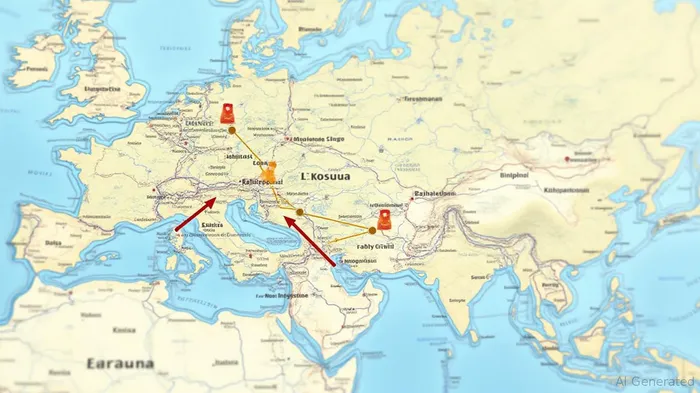
Ukraine's move to tax raw oilseed exports is a bold play to boost domestic processing. But here's the rub: the EU, which buys over 30% of Ukraine's rapeseed, is fuming. EU leaders are warning of retaliation—tariffs or quotas—that could backfire on European food processors relying on Ukrainian supplies. This isn't just about economics; it's about power. Ukraine's Black Sea logistics, already strained by Russian attacks, could become a chokepoint if the EU slaps sanctions.
Market Volatility: The Soybean and Canola Squeeze
The duty is designed to keep raw seeds in Ukraine for processing. But here's where the risk lies: during the July-September off-season, stockpiles dip, and global prices spike. Ukrainian rapeseed prices are already firming (€0.49–0.51/kg in Kyiv vs. €0.54/kg in Paris). If the EU retaliates, prices could skyrocket, hitting European livestock farmers hard. Meanwhile, soybeans? Ukraine's non-GMO soybean meal is a golden ticket—it's cheaper than Argentine rivals and compliant with EU sustainability rules.
Processing Power: Can Ukraine Build the Capacity?
The plan hinges on Ukraine's ability to process more oilseeds. Right now, they're on track: new facilities by firms like Epicenter and Astarta could boost soy processing to 4.5 million tons by 2025. But there's a catch. EU regulations like the Deforestation Regulation (EUDR) require proof of sustainable sourcing. If Ukrainian farmers can't meet these rules, their meal gets shut out of EU markets.
Investment Opportunities: Where to Play?
1. Ukrainian Agro-Processing Firms: Back companies building new facilities. Look for those with EU certifications already in place.
2. EU Alternatives: If Ukraine's exports get hit, Australian canola or US soybean meal could fill the gap. Buy ETFs like DBA (DoubleLine Agriculture Fund).
3. Logistics Plays: Ukraine's reliance on Black Sea ports makes rail and Danube river transport critical. Invest in companies like DSV Panalpina or CMA CGM that handle diversified routes.
Risks to Watch
- Farmer Backlash: If the duty crimps export profits, farmers might switch to crops like sunflower or wheat.
- Regulatory Headwinds: EU audits could delay certifications, stifling processing growth.
- Black Sea Logistics: Russian attacks on ports remain a wildcard—investors need a war-risk buffer.
Bottom Line: Buy the Dip, But Stay Alert
This is a high-risk, high-reward situation. If Ukraine nails the processing shift, it becomes an agro-superpower. But if the EU retaliates or logistics fail, chaos ensues. For now, I'm bullish on non-GMO soy processors and EU logistics stocks—but keep an eye on those duty talks.
Action Alert:
- Buy: Ukrainian agro-processing stocks (if listed) or ETFs like DBA.
- Avoid: Pure-play export-focused Ukrainian farms until the duty's impact is clear.
- Monitor: EU-Ukraine trade negotiations and Black Sea port activity.
The world's food supply chain is in flux, and Ukraine's choices will ripple far beyond its borders. This is a game-changer—investors, take note.







Comentarios
Aún no hay comentarios