
Amid Ukraine Endgame, Some in Germany Want Russian Gas
Generado por agente de IATheodore Quinn
viernes, 28 de febrero de 2025, 12:03 pm ET1 min de lectura
FOSL--
As the conflict in Ukraine enters a critical phase, some German industries and politicians are considering the resumption of Russian gas imports to ease the country's energy crisis. This move, however, raises economic and political trade-offs that could impact Germany's long-term energy strategy and global energy markets.
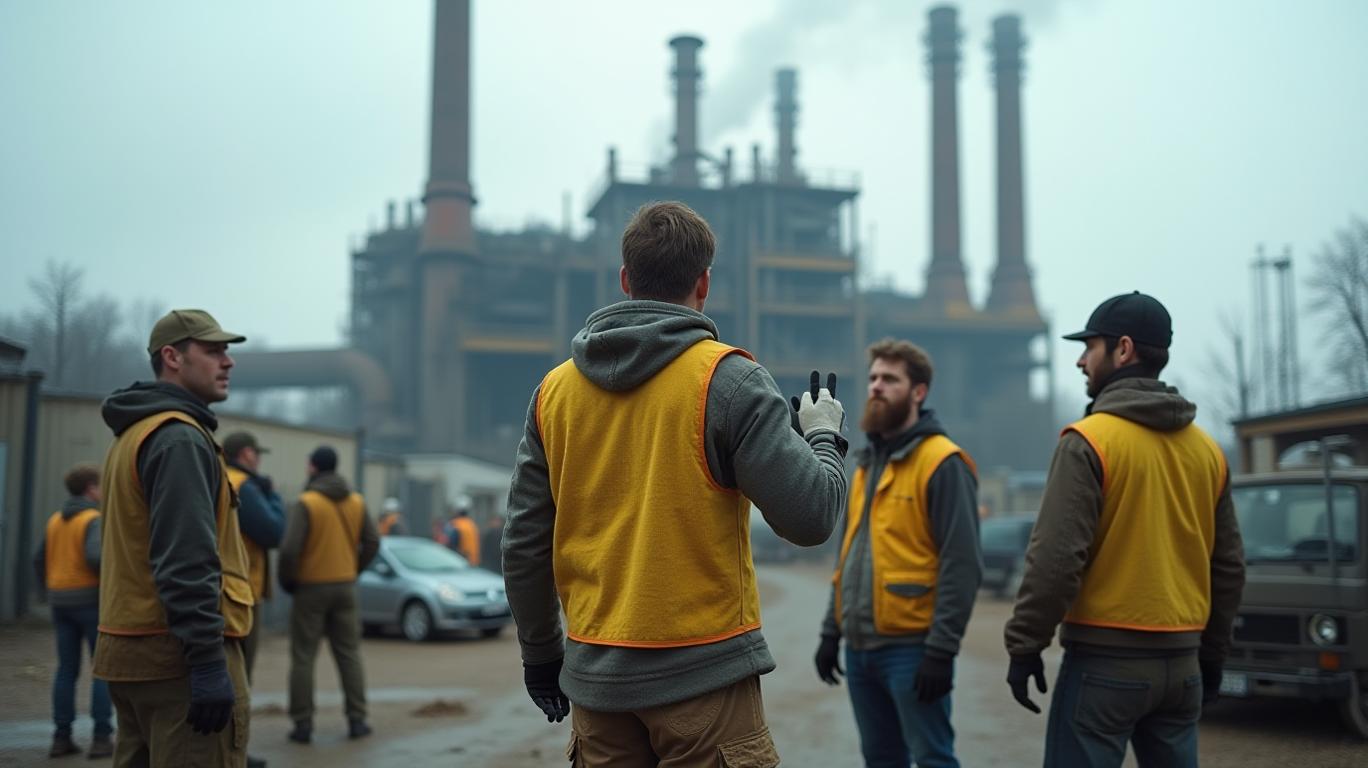
Economic Trade-offs
Resuming Russian gas imports could help lower energy prices for German consumers and businesses, providing some relief from the high costs associated with alternative energy sources. However, this would also mean continuing to finance the Russian economy, which could be seen as supporting the Russian war effort in Ukraine. Additionally, maintaining dependence on Russian gas could create uncertainty and hinder long-term investment decisions, as the situation in Ukraine remains volatile.
Energy Security Trade-offs
Resuming Russian gas imports would increase Germany's vulnerability to geopolitical risks, as Russia could use its energy supplies as a political tool. This was evident during the 2009 and 2014 gas disputes between Russia and Ukraine, which disrupted gas supplies to Europe. Moreover, resuming Russian gas imports could delay Germany's transition to renewable energy and hinder its efforts to achieve energy independence. It could also make it more difficult for Germany to meet its climate change targets, as natural gas is a fossilFOSL-- fuel that contributes to greenhouse gas emissions.
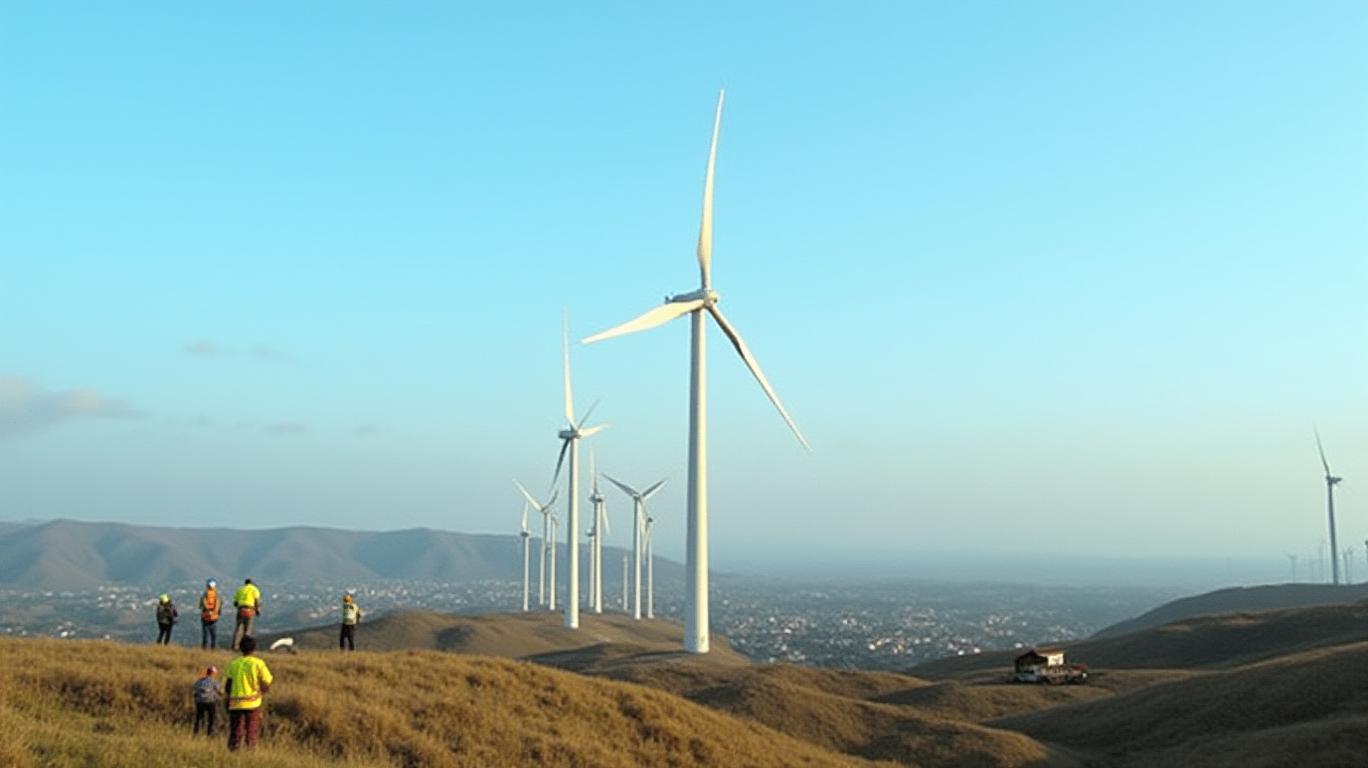
Impact on Global Energy Market and Europe's Energy Diversification Efforts
The resumption of Russian gas supplies could have significant implications for the global energy market, particularly the LNG market. It could increase competition in the global LNG market, potentially driving down prices and making LNG less attractive for European buyers. This could lead to a glut in the global LNG market, potentially causing a price drop and having knock-on effects on LNG producers and exporters, such as the U.S. and Qatar.
However, the resumption of Russian gas supplies could also slow down Europe's transition to renewable energy, as cheaper gas could make renewable energy projects less economically attractive. It could also reduce the incentive for Europe to invest in new LNG import infrastructure, slowing down the diversification of Europe's energy supply and making it more dependent on Russian gas in the long run.
In conclusion, while resuming Russian gas imports could provide short-term economic benefits for Germany, the long-term energy security and geopolitical risks make it an unattractive option. Germany should instead focus on diversifying its energy sources, accelerating the transition to renewable energy, and strengthening its energy infrastructure to ensure long-term energy security and independence. The global energy market and Europe's energy diversification efforts could also be significantly impacted by the resumption of Russian gas supplies, highlighting the need for a balanced approach that considers both short-term and long-term interests.
As the conflict in Ukraine enters a critical phase, some German industries and politicians are considering the resumption of Russian gas imports to ease the country's energy crisis. This move, however, raises economic and political trade-offs that could impact Germany's long-term energy strategy and global energy markets.
Economic Trade-offs
Resuming Russian gas imports could help lower energy prices for German consumers and businesses, providing some relief from the high costs associated with alternative energy sources. However, this would also mean continuing to finance the Russian economy, which could be seen as supporting the Russian war effort in Ukraine. Additionally, maintaining dependence on Russian gas could create uncertainty and hinder long-term investment decisions, as the situation in Ukraine remains volatile.
Energy Security Trade-offs
Resuming Russian gas imports would increase Germany's vulnerability to geopolitical risks, as Russia could use its energy supplies as a political tool. This was evident during the 2009 and 2014 gas disputes between Russia and Ukraine, which disrupted gas supplies to Europe. Moreover, resuming Russian gas imports could delay Germany's transition to renewable energy and hinder its efforts to achieve energy independence. It could also make it more difficult for Germany to meet its climate change targets, as natural gas is a fossilFOSL-- fuel that contributes to greenhouse gas emissions.
Impact on Global Energy Market and Europe's Energy Diversification Efforts
The resumption of Russian gas supplies could have significant implications for the global energy market, particularly the LNG market. It could increase competition in the global LNG market, potentially driving down prices and making LNG less attractive for European buyers. This could lead to a glut in the global LNG market, potentially causing a price drop and having knock-on effects on LNG producers and exporters, such as the U.S. and Qatar.
However, the resumption of Russian gas supplies could also slow down Europe's transition to renewable energy, as cheaper gas could make renewable energy projects less economically attractive. It could also reduce the incentive for Europe to invest in new LNG import infrastructure, slowing down the diversification of Europe's energy supply and making it more dependent on Russian gas in the long run.
In conclusion, while resuming Russian gas imports could provide short-term economic benefits for Germany, the long-term energy security and geopolitical risks make it an unattractive option. Germany should instead focus on diversifying its energy sources, accelerating the transition to renewable energy, and strengthening its energy infrastructure to ensure long-term energy security and independence. The global energy market and Europe's energy diversification efforts could also be significantly impacted by the resumption of Russian gas supplies, highlighting the need for a balanced approach that considers both short-term and long-term interests.

Divulgación editorial y transparencia de la IA: Ainvest News utiliza tecnología avanzada de Modelos de Lenguaje Largo (LLM) para sintetizar y analizar datos de mercado en tiempo real. Para garantizar los más altos estándares de integridad, cada artículo se somete a un riguroso proceso de verificación con participación humana.
Mientras la IA asiste en el procesamiento de datos y la redacción inicial, un miembro editorial profesional de Ainvest revisa, verifica y aprueba de forma independiente todo el contenido para garantizar su precisión y cumplimiento con los estándares editoriales de Ainvest Fintech Inc. Esta supervisión humana está diseñada para mitigar las alucinaciones de la IA y garantizar el contexto financiero.
Advertencia sobre inversiones: Este contenido se proporciona únicamente con fines informativos y no constituye asesoramiento profesional de inversión, legal o financiero. Los mercados conllevan riesgos inherentes. Se recomienda a los usuarios que realicen una investigación independiente o consulten a un asesor financiero certificado antes de tomar cualquier decisión. Ainvest Fintech Inc. se exime de toda responsabilidad por las acciones tomadas con base en esta información. ¿Encontró un error? Reportar un problema




Comentarios
Aún no hay comentarios