
Ukraine Conflict Deepens Defense Sector Profits Amid Geopolitical Uncertainty
The Russia-Ukraine war, now in its fourth year, continues to reshape global defense dynamics. Rising casualties—over 50,000 Russian troopsTROO-- reported killed or wounded near Toretsk alone—have intensified calls for advanced weaponry and private military support. Meanwhile, U.S. military aid to Ukraine, though facing potential cuts in 2026, remains a critical lifeline for Kyiv's defenses. This volatile environment is fueling demand for defense contractors and private military services, creating lucrative opportunities—and risks—for investors.
U.S. Military Aid: A Lifeline for Defense Contractors
The conflict has become a proving ground for cutting-edge military technology. U.S. aid to Ukraine, which includes JASSM-ER cruise missiles, Patriot missile systems, and drones, has directly benefited major defense firms.
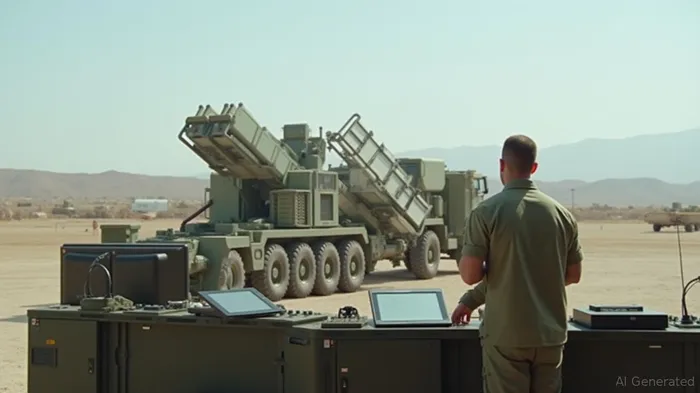
Raytheon Technologies (RTX) leads in air defense systems, with its $60+ billion backlog driven by NATO upgrades and Ukraine's needs. Its Patriot missiles are critical to countering Russian strikes, while its aerospace components power F-35 jets supplied by Lockheed Martin (LMT).
Northrop Grumman (NOC) and Lockheed Martin are also key players, with NOC's hypersonic weapons programs and LMT's F-35 sales to allies like Poland and Japan adding to their resilience. Even potential aid cuts in 2026 are tempered by the Institute for the Study of War's warning that reduced support could embolden Russia, ensuring sustained demand for U.S. hardware.
The Rise of Private Military Contractors (PMCs): A New Frontier for Defense Investors
While the U.S. debates aid levels, both sides are turning to PMCs. Russia's Wagner Group, now 50,000 strong, has expanded into Africa and the Middle East, while Ukraine's potential formation of its own PMCs could create new markets.
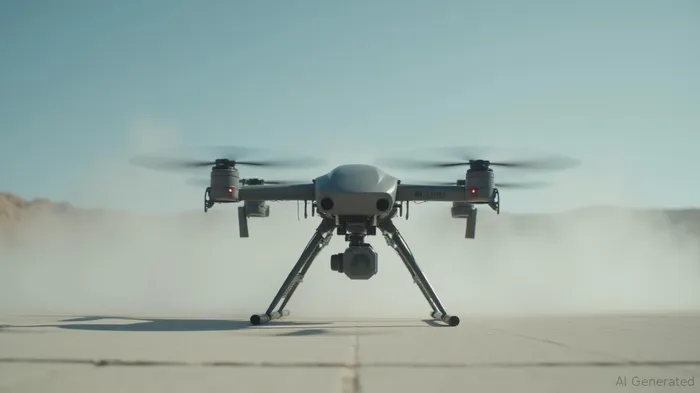
Kratos Defense & Security Solutions (KTOS) and General Atomics (via ETFs like SPDR S&P Defense ETF (XARV)) are positioned to profit. Kratos' low-cost drones, such as the Mako unmanned combat air vehicle, offer scalable solutions for both sides. Meanwhile, Wagner's global expansion highlights the demand for PMC logistics and tech, which U.S. firms can supply indirectly.
Risks and Investment Considerations
The sector isn't without pitfalls. A negotiated ceasefire—Scenario 1 (60% probability) in recent analyses—could reduce immediate conflict spending. However, Russia's use of nuclear threats and Wagner's global ambitions suggest sustained geopolitical tension.
Investors should prioritize companies with strong backlogs and exposure to “no-cut” programs like hypersonic weapons or cybersecurity. Palo Alto Networks (PANW) and CrowdStrike (CRWD), which protect military networks, are critical as cyber warfare escalates.
Conclusion: Positioning for Long-Term Geopolitical Turbulence
The Ukraine conflict underscores a broader trend: defense spending will remain elevated as nations hedge against Russian aggression and other regional threats.
- Top Picks: RTX, LMT, and NOC for their program depth; XARV or ITA for diversification.
- Watchlist: KTOS and PMC-linked ETFs for PMC-driven growth.
While a ceasefire could temporarily dampen momentum, the era of cheap military stability is over. Investors ignoring defense equities risk missing a decade-long bull market in security and preparedness.
As the frontlines shift and PMC footprints expand, the defense sector's role in global stability—and profitability—will only grow.
This article is for informational purposes only and should not be considered financial advice.







Comentarios
Aún no hay comentarios