
UK Labor Market Recovery and Fiscal Policy: Navigating Sectoral Opportunities in Services and Labor-Dependent Industries
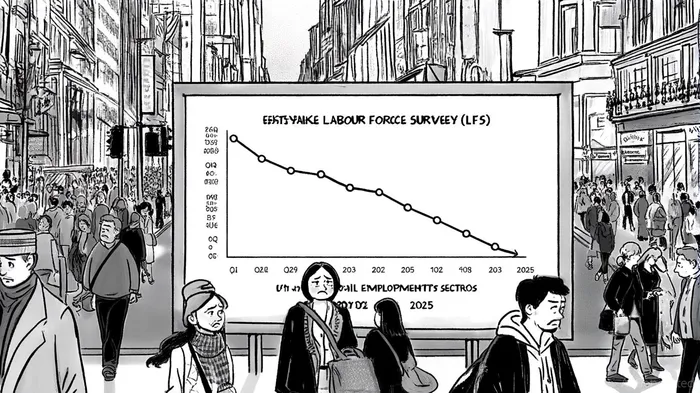
The UK labor market in Q3 2025 is at a crossroads, marked by weakening employment growth, a gradual rise in unemployment, and sectoral disparities that highlight both challenges and opportunities for investors. While official employment data from the Labour Force Survey (LFS) suggests modest gains, payroll data reveals a 0.5% decline in employment, particularly in labor-dependent sectors such as retail and hospitality, according to RSM UK labour market outlook. This divergence underscores the fragility of the recovery and the uneven impact of fiscal policies on different industries.
Employment Trends and Sectoral Pressures
The labor market is loosening, with unemployment projected to rise to 5% by year-end, according to a Resolution Foundation analysis. Sectors reliant on low-skilled labor, including social care and hospitality, are bearing the brunt of rising employment costs. A 1.2 percentage point increase in employer National Insurance Contributions and a hike in the national living wage have disproportionately affected these industries, leading to reduced hiring intentions and increased redundancies, according to the CIPD labour market report. For instance, the Resolution Foundation notes that the net employment balance in social care has plummeted from +23 to –2, exacerbating existing labor shortages.
Meanwhile, the Resolution Foundation's analysis highlights a broader loosening of hiring conditions, with job vacancies falling and firms prioritizing cost containment over expansion. This trend is particularly pronounced in retail, where employment rates have declined for the first time since the pandemic, as highlighted in a Financial Analyst analysis. Investors must weigh these sectoral headwinds against the resilience of wage growth, which remains at 4.6% but is expected to slow to 4% by year-end as firms curb costs to protect profit margins, as noted by RSM UK labour market outlook.
Fiscal Policy and Its Dual Impact
Fiscal policy has played a pivotal role in shaping the labor market. The government's tax hikes, including the National Insurance Contributions increase, have created a challenging environment for low-wage employers. However, these measures also signal a commitment to long-term fiscal stability. The upcoming Autumn Budget, expected to raise £20 billion, will likely include further tax adjustments and spending cuts to address a widening fiscal gap, according to the RSM UK fiscal outlook.
For investors, the interplay between fiscal tightening and sectoral vulnerabilities presents both risks and opportunities. While social care and hospitality face acute labor shortages, the government's Modern Industrial Strategy-focusing on life sciences, clean energy, and digital technologies-offers a roadmap for growth. Sectors aligned with this strategy, such as advanced manufacturing and creative industries, may benefit from targeted fiscal support and regulatory reforms.
Sectoral Investment Opportunities
Despite the headwinds, the UK services sector remains a critical driver of GDP and offers untapped potential. The recent slump in business confidence, with optimism in consumer and business services dropping to -42% and -43% respectively, has led to undervalued assets. Investors with a long-term horizon may find opportunities in companies that can adapt to cost pressures through automation or productivity gains.
In labor-dependent industries, the challenge of immigration restrictions and rising wages could spur innovation. For example, hospitality firms investing in AI-driven customer service or robotics may mitigate labor shortages while maintaining margins. Similarly, the social care sector's reliance on foreign labor has prompted calls for domestic skills training programs, which could create new investment avenues in vocational education and workforce development, as highlighted by the CIPD labour market report.
The government's Spending Review and Industrial Strategy, set for June 11, will be pivotal. If policies prioritize skills investment and regulatory efficiency, the services sector could see a rebound in confidence. Investors should also monitor the Bank of England's monetary policy, as inflationary pressures may influence wage growth and borrowing costs.
Conclusion
The UK labor market's Q3 2025 outlook reflects a delicate balance between fiscal discipline and sectoral fragility. While employment growth is weakening and wage pressures are easing, the divergence between official and payroll data highlights the need for nuanced investment strategies. Sectors like social care and hospitality face immediate challenges, but the Modern Industrial Strategy and potential fiscal reforms offer long-term growth prospects. Investors who focus on innovation, automation, and policy-aligned industries may navigate this complex landscape successfully.







Comentarios
Aún no hay comentarios