
UK-Israeli Geopolitical Dynamics and Investment Opportunities in Defense and Energy Markets
The geopolitical realignments under UK Prime Minister Keir Starmer's leadership in 2025 are reshaping global defense and energy markets, creating both risks and opportunities for investors. With a strategic focus on bolstering national security, deepening European alliances, and accelerating the energy transition, Starmer's policies are driving capital toward defense contractors, clean energy infrastructure, and regional economic partnerships. This analysis explores how these shifts are influencing short-term investment flows, particularly in the context of UK-Israeli relations and broader geopolitical tensions.
Defense Sector: A Surge in Spending and Strategic Alliances
Starmer's government has committed to raising defense spending to 2.5% of GDP by 2027 and 3% by 2035, a historic increase since the Cold War era, according to the PM's defence spending statement. This surge is fueled by escalating threats from Russia, including cyberattacks and incursions into UK airspace, as well as the need to support Ukraine amid the ongoing war. The Strategic Defence Review 2025 (SDR) outlines ambitious projects such as the construction of 12 nuclear-powered submarines under the AUKUS program, enhanced cyber warfare capabilities, and the development of long-range strike systems under the European Long Range Strike Approach (ELSA) with Germany.
For investors, this spending spree directly benefits UK defense contractors like BAE Systems, Rolls-Royce, and QinetiQ, which are positioned to secure contracts for submarine construction, nuclear propulsion, and advanced technology development, according to a CNBC report. Additionally, the UK's new Defence Innovation Fund (€400 million) and Supply Chains Investment Fund (initial £300 million) are incentivizing small and medium enterprises (SMEs) to enter the defense supply chain, creating opportunities for niche players in areas like autonomous systems and drone technology.
The UK's recent Kensington Treaty with Germany further amplifies these opportunities. By committing to joint procurement initiatives and shared defense industrial projects-such as the continuation of the Boxer armored vehicle collaboration-the treaty is expected to unlock cross-border investments in defense manufacturing and R&D, as reported in the New York Times.
Energy Transition: Clean Power and Infrastructure Reforms
Starmer's energy policy is equally transformative, with a target of 95% low-carbon electricity by 2030, as outlined in his Plan for change. The Clean Power 2030 Action Plan includes reforms to grid connection processes, expanded offshore wind auctions, and streamlined planning for small modular reactors (SMRs). These initiatives are supported by the Supply Chains Investment Fund, which aims to attract private capital to projects like floating offshore wind farms and carbon capture technologies.
Investors should focus on companies involved in offshore wind infrastructure (e.g., Siemens Gamesa, Vestas) and nuclear energy (e.g., Rolls-Royce SMR division), as the UK's energy strategy prioritizes these sectors. The government's plan to reduce electricity costs for energy-intensive industries by 25% by 2027 also creates demand for energy storage and grid modernization projects, according to the industrial strategy announcement.
However, the UK-Israeli energy relationship remains limited. While Starmer's government has distanced itself from traditional support for Israel due to the Gaza conflict, there are no direct energy collaborations between the two nations, as noted in a The Conversation article. Instead, the UK's energy focus is domestically driven, with regional partnerships like the UK-Ireland data-sharing program and EU carbon pricing alignment offering indirect investment opportunities, as reported in an Independent report.
Regional Economic Partnerships: Navigating Geopolitical Uncertainty
Starmer's foreign policy emphasizes Atlanticism and multilateralism, with a strong commitment to NATO and European security, as detailed in the Strategic Defence Review. The UK's Security and Defence Partnership with the EU, which could provide access to €150 billion in joint defense loans, is a key example of how regional alliances are being leveraged to attract capital, according to a Reuters report. Similarly, the UK-EU Trade Deal 2025-streamlining agricultural exports and easing travel restrictions-signals a pragmatic shift toward deeper integration, despite Brexit challenges, as set out in a trade deal analysis.
For investors, these partnerships highlight opportunities in cross-border infrastructure projects, such as the proposed direct rail link between the UK and Germany and joint AI and semiconductor initiatives under the Kensington Treaty. The UK's trade agreements with the US, India, and the EU also open avenues for export-oriented industries, particularly in agriculture and manufacturing.
Short-Term Investment Opportunities
- Defense Contractors: Prioritize UK-based firms with exposure to submarine construction, cyber warfare, and SMEs in the defense supply chain.
- Clean Energy Infrastructure: Target offshore wind developers, nuclear energy firms, and grid modernization companies.
- Regional Alliances: Invest in cross-border projects under the Kensington Treaty and UK-EU partnerships, particularly in transportation and technology.
Conclusion
The UK's strategic realignments under Starmer are creating a fertile ground for short-term investments in defense and energy. While tensions with Israel limit direct opportunities in that bilateral relationship, the broader focus on European alliances, technological innovation, and energy security offers a robust pipeline for capital. Investors who align with these policy-driven trends-particularly in defense modernization and clean energy-stand to benefit from the UK's proactive geopolitical and economic playbook.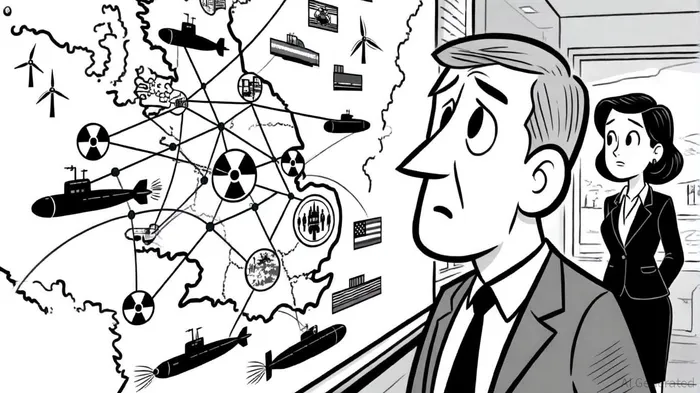







Comentarios
Aún no hay comentarios