
UK-Iran Tensions Escalate: Navigating Geopolitical Risks in European Investments
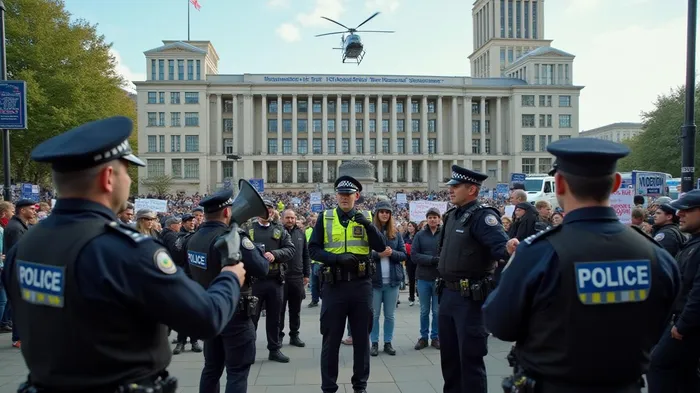
The recent arrests of seven Iranian nationals in the UK—part of over 20 suspected Iran-linked plots since 2022—highlight escalating geopolitical tensions with profound implications for European investments. These counter-terrorism probes underscore a broader struggle over Iran’s regional ambitions, sanctions enforcement, and the fragility of global energy markets. For investors, the risks and opportunities lie in understanding how these dynamics will shape regional stability, economic sanctions, and corporate exposure to geopolitical volatility.
Geopolitical Tensions: A New Threshold of Confrontation
The UK’s actions reflect its growing role in countering Iran’s proxies and nuclear ambitions. Recent military strikes in Yemen, targeting Houthi drone facilities linked to Tehran, mark a significant escalation. The April 29 joint UK-U.S. operation disrupted a Houthi steel factory in SanaaSANA--, directly challenging Iran’s ability to arm its allies. Such moves signal the UK’s commitment to disrupting Iran’s “Axis of Resistance,” a network spanning Hezbollah, Iraqi militias, and the Houthi movement.
Meanwhile, diplomatic pressure intensifies. The E3 (UK, France, Germany) will engage Iran in Rome on May 2, 2025, with snapback sanctions under the JCPOA looming over a June deadline. If talks fail, the October 2025 expiration of the JCPOA’s sanctions mechanism could trigger renewed isolation of Iran. This creates a volatile timeline for investors, with geopolitical risks peaking as deadlines approach.
Iran’s oil exports have already declined by 25% since 2022, exacerbated by U.S. sanctions targeting entities like “teapot” refineries. Such measures choke Tehran’s funding for nuclear programs and proxies, but also risk destabilizing global energy markets if Iran retaliates by disrupting Gulf shipping routes.
Economic Implications: A Deterrent to European Capital
European investors face a dual challenge: avoiding exposure to Iran’s sanctioned economy while navigating regional instability. The IRGC, designated a terrorist entity by the U.S. and EU, dominates Iran’s infrastructure, energy, and trade sectors. European firms operating in these areas—such as construction or commodity trading—risk secondary sanctions or reputational damage.
The Treasury’s “Maximum Pressure” campaign, amplified by the April 2025 FinCEN Exchange program, has heightened scrutiny of financial flows. The program, attended by 16 global financial institutions, focused on curbing Iran’s shadow banking networks. This has deterred European banks from facilitating transactions with entities linked to Tehran, even indirectly.
European foreign direct investment (FDI) in Middle Eastern energy projects fell by 18% in 2024, with Iran-related risks cited as a key deterrent. Investors now prioritize diversification, shifting capital toward Gulf states like Saudi Arabia and the UAE, which are less exposed to Iranian retaliation.
Strategic Considerations for Investors
- Sector Avoidance: Steer clear of sectors dominated by the IRGC, including Iranian energy, construction, and shipping.
- Regional Diversification: Focus on Gulf Cooperation Council (GCC) economies, which offer stable returns amid U.S.-backed security guarantees.
- Monitor Sanctions Dynamics: Track JCPOA negotiations and U.S.-UK coordination. A failure to extend the snapback mechanism could trigger a 15–20% drop in Iran’s GDP by 2026.
- Risk Mitigation Tools: Use derivatives or hedging instruments to protect against oil price spikes if Iran disrupts Gulf shipping.
Conclusion: A Volatile Landscape Requires Vigilance
The UK’s counter-terrorism actions and military strikes in Yemen underscore a strategic pivot toward containing Iran’s influence, with ripple effects on European investments. With Iran’s rial depreciating to 815,000 to the dollar—up from 813,000 in 2024—and over 20 suspected plots uncovered since 2022, the risks of economic instability and asymmetric retaliation are clear.
Investors must balance the allure of high-yield opportunities in the Middle East with the reality of geopolitical volatility. While Gulf states offer relative stability, European capital is likely to remain sidelined from Iran until sanctions are eased or Tehran recalibrates its regional ambitions. For now, caution—and a watchful eye on sanctions deadlines—remains the prudent strategy.
As Iran’s economic crisis deepens, the risks of further destabilization grow. Investors who prioritize resilience over risk will thrive in this environment.







Comentarios
Aún no hay comentarios