
UK Inflation Eases to Three-Month Low Amid Fuel and Leisure Cost Declines
The UK’s annual inflation rate dipped to a three-month low in March 2025, driven by falling fuel prices, softer demand for leisure and culture, and easing housing costs. The slowdown, however, was tempered by a surprise jump in clothing prices and lingering pressures in services sectors, painting a mixed picture for investors navigating the UK’s economic landscape.
The Inflation Landscape: A Sectoral Divide
The Consumer Prices Index including owner-occupiers’ housing costs (CPIH) fell to 3.4% year-on-year in March, while the narrower Consumer Prices Index (CPI) eased to 2.6%. Both measures marked their lowest levels since December 2024, signaling a gradual cooling of price pressures.
The primary downward force was recreation and culture, which saw its annual inflation rate drop to 2.4% from 3.4% in February. Declines in gaming equipment, toys, and data processing devices—likely tied to technological oversupply and shifting consumer preferences—contributed to this trend. Meanwhile, motor fuels played a critical role, with prices down 5.3% annually as petrol and diesel costs retreated to 137.5p and 144.8p per litre, respectively.

Housing Costs Moderate, Clothing Prices Surge
Housing and household services—a key contributor to inflation—saw their annual rate slow to 5.1%, as owner-occupiers’ housing costs (OOH) eased to 7.2% from 7.5%. This moderation, however, still added 1.51 percentage points to the CPIH rate. Meanwhile, clothing and footwear prices defied expectations, rising 1.1% annually in March after a February decline. A 2.3% monthly price surge in March, attributed to shifts in discounted items, reversed a trend of markdowns that had eroded prices earlier in the year.
Core Inflation and Services: A Lingering Challenge
While headline inflation eased, core measures—stripping out volatile energy, food, and goods—remained elevated. Core CPIH fell only slightly to 4.2%, and services inflation, which accounts for over 50% of the basket, dipped just 0.3 percentage points to 5.4%. This suggests that wage pressures and tight labor markets continue to underpin prices in sectors such as healthcare and personal services.
Transport costs fell to 1.2% annually, benefiting from cheaper fuel, but restaurants and hotels posted the slowest annual growth (3.0%) since July 2021, as accommodation prices flattened.
International Context and Anomalies
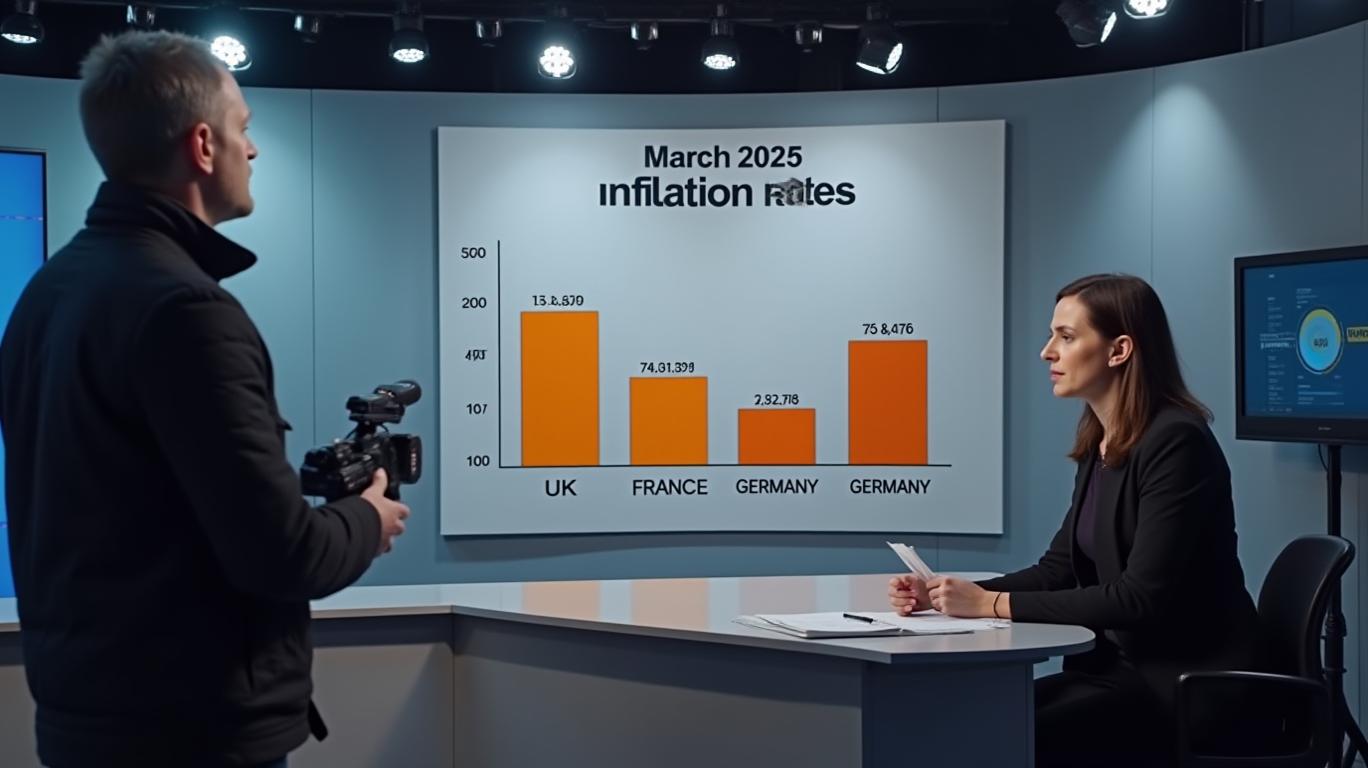
The UK’s CPI rate of 2.6% outpaced France’s 0.9% and Germany’s 2.3%, reflecting differences in energy market dynamics and housing cost structures. However, the UK’s inflation trajectory remains fragile. The sharp rebound in clothing prices in March, for instance, underscores volatility in sectors reliant on seasonal promotions, while the decline in recreation costs may signal broader consumer caution in discretionary spending.
Investment Implications: Navigating Sectoral Opportunities
The data presents both risks and opportunities for investors. Energy stocks, such as BPBP-- and Shell, could face headwinds as fuel price declines weigh on margins, though geopolitical risks may limit downside. Meanwhile, retailers like Next or Primark, which saw clothing prices rebound, might benefit from pent-up demand—if the March surge isn’t a one-off.
The housing market’s moderation could pressure homebuilders, but rental stocks (e.g., British Land) may find stability as OOH costs decelerate. In contrast, services-driven sectors—such as healthcare or education—remain exposed to persistent inflation, suggesting caution in overvalued equities.
Conclusion: Caution Amid Mixed Signals
The March inflation slowdown offers a glimmer of hope for the Bank of England, which may delay further rate hikes. However, the divide between cooling goods inflation and stubborn services pressures highlights underlying economic fragility. Investors should prioritize sectors insulated from wage-driven cost inflation—such as export-oriented industries or tech-driven businesses—while remaining vigilant to anomalies like the clothing sector’s volatility. With core inflation still elevated, the UK’s path to sustained disinflation remains rocky, demanding selective exposure to resilient sectors and hedging against persistent services pressures.





Comentarios
Aún no hay comentarios