
UK-India Trade Deal: A New Era of Prosperity or a Risky Gamble?
The UK and India have finally sealed their long-awaited trade deal, ending three years of negotiations with a pact that promises to reshape economic ties between the two nations. With tariff cuts spanning autos, spirits, and food, and labor mobility provisions easing cross-border work, the agreement aims to boost bilateral trade by £25.5 billion annually by 2040. But is this deal a catalyst for growth or a gamble with unresolved risks? Let’s dissect the opportunities and pitfalls.
The Automotive Sector: A Revival for British Carmakers?
The deal slashes India’s tariffs on UK car imports from 100% to 10%, a lifeline for manufacturers like Jaguar Land Rover and Rolls-Royce. These reductions could help UK carmakers recover from losses incurred under former U.S. tariffs, which once drove them to seek markets in Europe.
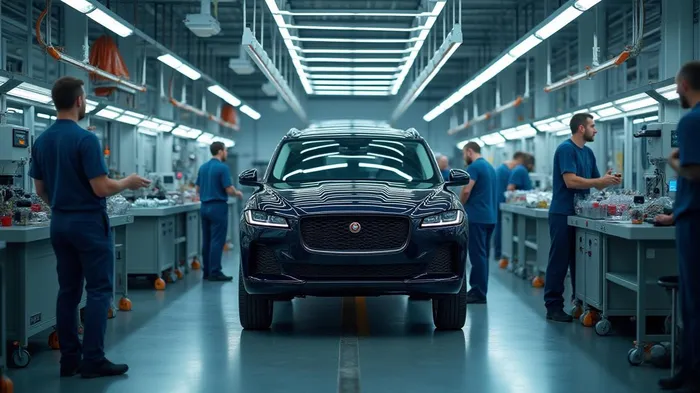
However, the benefits come with caveats. Quotas will cap trade volumes, and the UK’s own automotive industry faces headwinds from rising labor costs and supply chain disruptions.
Investors should monitor these stocks for signs of recovery—or whether quotas stifle growth.
Whisky & Gin: The Spirit of Profitability
The deal’s most contentious clause—tariffs on Scotch whisky—will now drop from 150% to 75% immediately, with further reductions over a decade. The Scotch Whisky Association estimates this could unlock £1 billion in exports over five years, creating 1,200 jobs.
Watch Diageo’s performance as tariff cuts take effect—its stock could surge if export growth meets targets.
But challenges remain. Indian consumers may still prefer local brands, and the phased tariff reductions mean full benefits won’t materialize until 2034.
Food and Agriculture: A Feast for Consumers
UK consumers will see lower prices on Indian staples like frozen prawns and spices, while Indian markets gain access to British lamb and salmon. The deal eliminates tariffs on 90% of UK food exports to India, a win for retailers like Tesco and Marks & Spencer.
Track how reduced tariffs translate to real savings for consumers—and whether supermarkets pass on cost cuts.
Labor Mobility: A Boost for Tech and Healthcare
The “double contribution convention” exempts temporary workers from paying national insurance for three years, benefiting sectors like IT (e.g., Tata Consultancy Services) and healthcare (e.g., NHS staff exchanges). This aligns with existing agreements but stops short of immigration policy changes.
Tech firms and hospitals may see smoother talent recruitment—but watch for backlash from opposition parties citing “two-tier taxes.”
The Elephant in the Room: Risks and Controversies
While the government projects a £4.8 billion annual GDP boost by 2040, critics highlight unresolved issues:
1. No Carbon Tax Exemption: Indian exports to the UK will still face the UK’s carbon border tax, a potential cost drag.
2. Investment Treaty Stalemate: The lack of a bilateral investment treaty leaves firms exposed to legal risks in disputes.
3. Political Hurdles: The Liberal Democrats demand parliamentary scrutiny, and the Conservatives have already labeled the deal “two-tier,” tying it to Labour’s National Insurance reforms.
The Bottom Line: A Deal Worth Watching
The UK-India trade deal is a historic step, but its success hinges on execution. Key metrics to watch:
- Short-Term: The £400 million in immediate tariff savings (based on 2022 trade data) should flow into consumer pockets and corporate balance sheets.
- Medium-Term: Scotch whisky’s £1 billion export target is achievable only if brands adapt to Indian tastes and marketing.
- Long-Term: The £25.5 billion trade growth projection requires sustained investment in supply chains and infrastructure.
The deal’s most compelling argument? It’s the UK’s most ambitious post-Brexit pact yet, proving London can forge global trade ties outside the EU. For investors, the sectors to prioritize are:
1. Automotive: Monitor quota utilization and export volumes.
2. Alcohol: Diageo and other distillers could see multi-year growth.
3. Tech/Healthcare: Labor mobility provisions may reduce hiring costs for firms in these sectors.
Final Verdict: A Risk-Adjusted Win
The UK-India deal isn’t a silver bullet, but it’s a step toward diversifying trade beyond the EU. With £25.5 billion in potential annual trade and 1,200 new jobs already on the table, the upside outweighs the risks—if both nations address the unresolved issues. Investors should take a measured approach: dip toes into whisky stocks and automotive shares now, but wait for clarity on the carbon tax and investment treaty before going all-in.
The clock is ticking—implementation could take a year, but the first tariff cuts are just around the corner. Stay tuned.







Comentarios
Aún no hay comentarios