
UK Grocery Inflation Surges to 5.2%: Uncovering High-Conviction Investment Opportunities in Supply Chain and Food Retail Stocks
The UK's grocery inflation rate has climbed to 5.2% in July 2025, a stark reminder of the persistent pressures reshaping the food retail and supply chain sectors. While this figure may appear lower than the 19.1% peak in March 2023, the drivers of today's inflation are deeply entrenched in domestic policy, climate volatility, and shifting consumer behavior. For investors, this environment presents both risks and opportunities. By analyzing the strategies of UK grocery stocks and supply chain players, we can identify high-conviction investments poised to thrive in this inflationary landscape.
The Inflationary Forces at Play
The current surge in grocery prices is not a transient phenomenon but a product of structural challenges. Key drivers include:
- Domestic fiscal policy: The 2025 National Minimum Wage hike and October 2024 National Insurance increases have raised production costs for farmers and retailers.
- Climate disruptions: Extreme weather events, from UK floods to droughts in Spain and Morocco, have damaged crops and disrupted supply chains.
- Consumer behavior: A surge in demand for fresh produce (e.g., strawberries sold at 2,400 packs per minute in June 2025) and premium own-label products has exacerbated supply constraints.
- Post-Brexit trade frictions: Increased costs and delays for imported goods, coupled with labor shortages in agriculture and logistics, have further strained the sector.
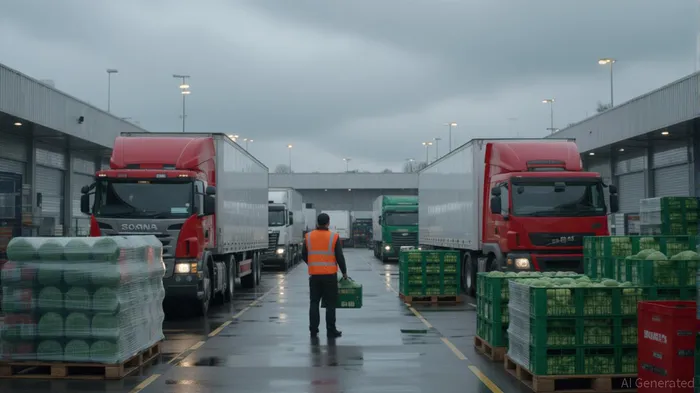
Key Investment Themes: Vertical Integration, Pricing Power, and Resilience
The UK's leading grocers and supply chain players are adapting to these pressures through strategies that enhance efficiency, pricing flexibility, and customer retention. Here are three themes to consider:
1. Vertical Integration: Controlling the Supply Chain
Discount retailers Aldi and Lidl exemplify the power of vertical integration. By controlling sourcing, production, and logistics, they maintain low costs and swift responsiveness to inflationary shocks. Aldi's 11.1% market share in 2025 is a testament to its lean operations, while Lidl's 8.1% share reflects its aggressive expansion into underserved areas. Both chains are investing heavily in store growth (Aldi plans 40 new stores in 2025) and private-label products, which offer margins 15–20% higher than branded goods.
2. Pricing Power and Premium Offerings
Tesco and Sainsbury's are leveraging dual strategies to capture both value-conscious and premium shoppers. Tesco's Finest range, with an 18% YoY sales increase, demonstrates its ability to trade up within its own-label portfolio. Meanwhile, Sainsbury's has expanded its Aldi Price Match to 800 items and aligned Nectar discounts with 9,000 products, outpacing competitors in price competitiveness. These initiatives have driven a 5.3% group sales growth for Tesco and a 4.9% rise in grocery revenues for Sainsbury's in Q1 2025.
3. Supply Chain Resilience: Mitigating Risks
Morrisons and the Co-op are streamlining operations to reduce vulnerability to cost shocks. Morrisons closed 70 non-essential counters and services to cut overheads, while the Co-op introduced price matching on 100 items against Aldi. These moves, combined with Morrisons' 2.4% Q1 revenue growth and the Co-op's 35% operating profit increase, highlight their focus on cost efficiency and customer retention.
High-Conviction Investment Opportunities
Aldi and Lidl: Discount Retail Resilience
The discounters' vertically integrated models and data-driven expansion strategies make them ideal plays for sustained inflation. Aldi's £1.3 billion investment program in 2025, coupled with its ability to maintain price leadership, positions it as a top pick. Lidl's focus on out-of-town locations and aggressive store openings further underscores its growth potential.
Tesco: Dual-Track Innovation
Tesco's balance of value and premium offerings, supported by its Aldi Price Match and Finest range, ensures broad customer appeal. With 5.3% Q1 sales growth and a robust non-food category, Tesco's diversified approach mitigates risks from discretionary spending shifts.
Waitrose: Premium Pricing with Agility
As a premium grocer, Waitrose has successfully implemented the "New Lower Prices" initiative, achieving 5.5% sales growth in Q1 2025. Its £150 million investment in this program reflects a strategic pivot to maintain affordability without compromising quality—a critical advantage in an inflationary environment.
Risks and Considerations
While these stocks offer compelling opportunities, investors must remain cautious. Geopolitical tensions (e.g., Middle East conflicts) could disrupt energy and shipping routes, exacerbating inflation. Additionally, the Autumn Budget's potential tax hikes may further pressure household budgets. Diversification across value and premium segments, as well as monitoring supply chain resilience, is essential.
Conclusion: Navigating Inflation with Strategic Exposure
The UK's grocery sector is at a crossroads, with inflationary pressures and consumer trends reshaping the landscape. Investors who focus on companies with vertical integration, pricing power, and supply chain agility—such as Aldi, Tesco, and Waitrose—can capitalize on this dynamic environment. As the market evolves, staying attuned to policy shifts and climate-related risks will be key to long-term success.
For those seeking to hedge against inflation while capturing growth, the UK's grocery sector offers a mix of defensive and high-conviction opportunities. The path forward lies in selecting stocks that not only weather the storm but also thrive in its aftermath.







Comentarios
Aún no hay comentarios