
UK Gig Economy Regulations: A Compliance Tsunami for Delivery Platforms
The UK government's crackdown on illegal gig workers has thrust delivery platforms like Deliveroo, UberUBER-- Eats, and Just Eat into a high-stakes battle between compliance costs and operational efficiency. With new regulations mandating stringent identity checks, penalties for non-compliance soaring to £60,000 per worker, and enforcement operations intensifying, the sector faces a pivotal inflection point. For investors, the question is clear: which companies can navigate these risks while maintaining profitability?
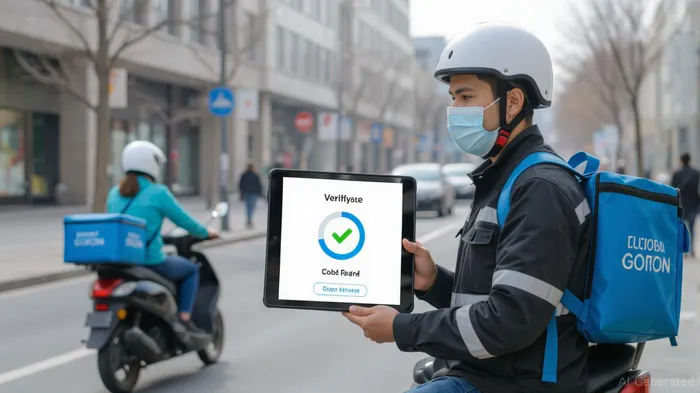
The Regulatory Gauntlet: Costs and Penalties
The UK's expansion of right-to-work checks to gig workers (effective June 2025) targets sectors like food delivery, where flexible labor models have historically blurred employment classifications. Key compliance requirements include:
- Biometric Verification: Real-time facial recognition to prevent account sharing.
- Document Scrutiny: Mandatory checks on visas, passports, and residency status.
- Continuous Monitoring: Rechecks for workers with time-limited visas.
Failure to comply risks fines, business closures, and reputational damage. A would likely show volatility tied to regulatory uncertainty, while underscores the industry's historical struggles.
Operational Risks: The Hidden Costs
The Cambridge University study cited in the research reveals stark realities:
- Worker Turnover: High attrition rates (driven by low pay and algorithmic instability) could force platforms to ramp up verification for constant new hires.
- Tech Investment: Deploying AI-driven fraud detection and biometric systems will strain margins. Deliveroo, for instance, has already partnered with third-party verification firms, adding ~2-3% to operational costs.
- Legal Liabilities: Subcontractor misclassification lawsuits loom. A 2023 UK Supreme Court ruling classified Uber drivers as workers (entitled to benefits), a precedent that could haunt delivery firms.
Competitive Advantages: Who Leads the Pack?
- Deliveroo:
- Strengths: Early adoption of facial recognition and partnerships with Home Office-approved ID tech firms.
Weakness: Heavy reliance on zero-hours contracts may draw scrutiny, but its localized UK focus allows quicker regulatory adaptation.
Uber Eats:
Strengths: Global scale to spread compliance costs. Its AI-driven algorithm has historically optimized delivery routes, but worker deactivation controversies (e.g., “excessive waiting time” claims) remain a reputational risk.
Just Eat Takeaway.com:
- Strengths: Mergers (e.g., with Grubhub) offer cross-border compliance expertise.
- Weakness: Higher worker turnover in UK markets could inflate verification costs.
Investment Implications: Ride the Wave or Ditch the Risk?
- Short-Term Risks:
- Regulatory delays or ambiguities could prolong uncertainty. The Home Office's “name and shame” lists (publicizing non-compliant businesses) may spook investors.
Labor strikes over low wages or algorithmic fairness (as seen in the U.S.) could disrupt operations.
Long-Term Opportunities:
- Companies that invest in transparent algorithms and fair pay structures may attract socially conscious investors.
- Those with robust compliance tech (e.g., Deliveroo's biometric systems) could lock in market share as smaller rivals falter.
Final Take: Bet on the Compliant Survivor
The gig economy's future hinges on platforms that treat compliance as a competitive weapon, not a cost. Deliveroo's proactive stance on UK-specific regulations positions it well, but its valuation (currently ~£2.8bn post-2023 rebound) must be weighed against rising expenses. Investors should prioritize firms with:
1. Lean Compliance Tech: Avoid those relying on manual checks.
2. Worker Retention Strategies: High turnover inflates verification costs.
3. Geographic Flexibility: Global players can offset UK regulatory headwinds.
In this new era, the delivery platforms that survive—and thrive—will be those that turn regulatory risk into a strategic advantage.





Comentarios
Aún no hay comentarios