
UK-EU Defense Pact: A Billion-Dollar Gamble for Investors
The UK’s bid to join the EU’s €150 billion defense fund—dubbed the Security Action for Europe (SAFE) instrument—has become a high-stakes negotiation with profound implications for defense contractors, investors, and geopolitical stability. As the May 2025 EU-UK summit approaches, the outcome could reshape Europe’s defense landscape and unlock new revenue streams for companies like BAE Systems and Airbus. But with unresolved trade disputes and stringent EU procurement rules hanging in the balance, this deal is as much about political compromise as it is about military preparedness.
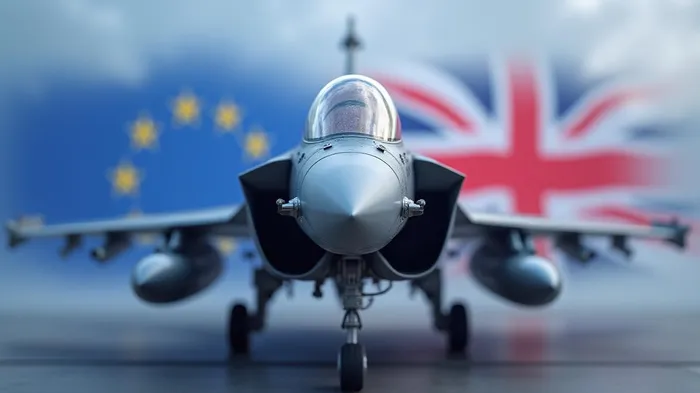
The Defense Fund: A Catalyst for Industrial Growth
The EU’s SAFE instrument, part of its "Readiness 2030" defense plan, aims to fund joint procurement projects, ammunition production, and advanced technology development. To qualify for full access, the UK must sign a Security and Defense Partnership (SDP), which would allow its defense firms to bid for EU contracts. Currently, 65% of any funded project must involve suppliers from EU member states, Norway, or Ukraine—leaving the UK’s firms on the sidelines unless the SDP is finalized.
For investors, the stakes are clear: UK defense giants like BAE Systems and Babcock International stand to gain billions in new contracts if the pact is signed. The EU’s goal of boosting defense spending to 2% of GDP across member states by 2030 (aligned with UK Prime Minister Keir Starmer’s pledge of 2.5% by 2027) signals a multiyear spending surge.
Winners and Losers in the Defense Supply Chain
The EU’s "European preference" policy—which prioritizes domestic defense suppliers—could create winners and losers among European and U.S. firms. EU companies like Airbus (AIR.PA) and Thales (THL.PA) are already positioned to benefit from the SAFE fund, but UK firms could carve out a niche if the SDP is signed.
However, the EU’s strict rules on technology dependency—prohibiting reliance on non-EU countries’ export controls (e.g., U.S. ITAR regulations)—pose risks. U.S. firms like Lockheed MartinLMT-- (LMT) or Raytheon (RTX) may see reduced opportunities in EU projects, while UK firms must navigate Brussels’ "no dependency" clause.
Risks: Brexit Legacy and Geopolitical Tensions
The SDP’s success hinges on resolving lingering Brexit issues, including fishing rights, phytosanitary rules, and youth mobility. A draft "Common Understanding" document links all summit outcomes, meaning delays in resolving these disputes could derail the defense pact.
Moreover, EU member states like France and the Netherlands have pushed for strict conditions to prevent UK firms from undermining European industrial autonomy. "Buy European" clauses could limit the UK’s market share, even with an SDP.
Market Implications: A Pragmatic Pivot or Overreach?
Investors should monitor three key indicators:
1. Progress on the SDP: A signed pact by May 2025 would likely boost BAE Systems’ stock, as analysts project up to €5 billion in new contracts.
2. Brexit-related agreements: A youth mobility deal and revised fishing pacts could reduce political friction, stabilizing cross-border investments.
3. EU defense spending trends: The SAFE fund’s first tranche—€15 billion allocated in 2024—has already spurred orders for drones and missiles, with further allocations expected through 2027.
Conclusion: A Deal with $30 Billion at Stake
The UK-EU defense pact is a $30 billion opportunity for investors in defense equities, but its success depends on navigating political and technical hurdles. If finalized, the SDP could:
- Boost BAE Systems’ revenue by 15–20% through EU contracts, as analysts at Jefferies estimate.
- Accelerate European defense integration, with the EU’s defense spending projected to grow at 5.2% annually through 2030 (vs. global growth of 3.1%).
However, failure to resolve Brexit disputes or EU member states’ resistance to "pay-to-play" models could leave UK firms sidelined, while EU stocks like Airbus and Safran (SAF.PA) dominate the market. Investors should weigh the pragmatic upside of collaboration against the geopolitical risks of a fractured EU-UK relationship. The May summit will be a pivotal moment—either unlocking a new era of defense industrial growth or cementing Europe’s post-Brexit divisions.
The verdict? The EU’s "ruthless pragmatism" may yet prevail, but investors should prepare for volatility as the stakes—both financial and strategic—could not be higher.





Comentarios
Aún no hay comentarios