
UK Consumer Sentiment and Fiscal Policy: Implications for Retail and Consumer Stocks Ahead of the 2025 Budget
Declining Consumer Confidence: A Harbinger of Weak Retail Performance
Consumer confidence in the UK has deteriorated sharply, with all seven measures tracked by Barclays falling for the first time since August 2022. This decline reflects growing anxiety over potential tax hikes and the timing of the budget announcement. One in three consumers is now postponing major purchases until after the budget, a trend that has directly impacted retail spending. Data from Barclays indicates that consumer card spending fell 0.8% year-on-year in October 2025, with essential spending declining by -2.5% for six consecutive months. The British Retail Consortium (BRC) corroborates this trend, reporting a sharp drop in consumer confidence, with economic expectations falling from -35 in October to -44 in November 2025.
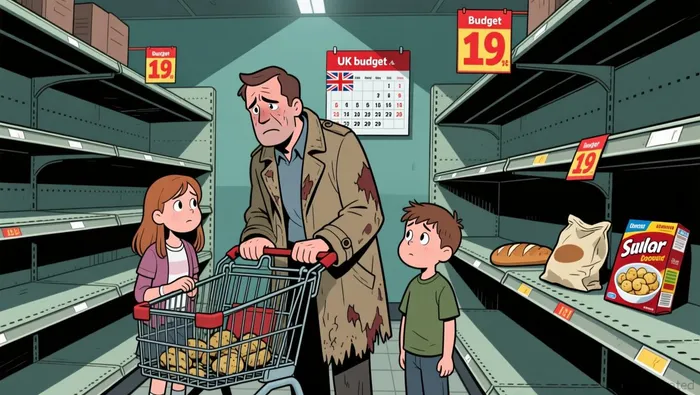
The retail sector is already showing signs of distress. Department stores and discounters have recorded double-digit declines in sales (-7.8% and -7.6%, respectively), while milder weather and anticipation of Black Friday deals have further delayed purchases. These trends suggest that even before the budget announcement, the sector is bracing for a prolonged period of weak demand.
Fiscal Policy Uncertainty: Tax Hikes and Compliance Costs
While no direct fiscal policy measures have been announced, the pre-budget report led by Chancellor Rachel Reeves has fueled speculation about potential tax increases. Analysts anticipate higher levies on alcohol, gambling, tobacco, air travel, plastics, and sugary drinks. Such measures could dampen consumer demand and exacerbate inflationary pressures, particularly for sectors like retail and hospitality.
Retailers are also grappling with rising compliance costs. Sainsbury's has flagged "tens of millions of pounds" in additional expenses tied to extended producer responsibility (EPR) and the Plastic Packaging Tax (PPT), which rose to £223.69 per tonne in April 2025. These costs are expected to ripple through the supply chain, potentially squeezing profit margins and reducing disposable income for consumers. Meanwhile, the agricultural sector faces its own fiscal challenges, with proposed inheritance tax reforms threatening the viability of smaller family farms.
Market Reactions and Investment Implications
The uncertainty surrounding the budget has already influenced market dynamics. The absence of income tax increases in the fiscal forecasts, despite improved economic outlooks, has raised concerns about the government's ability to build a financial buffer against future shocks. Analysts estimate that tax hikes could add £10.5 billion to fiscal headroom by 2029-30, but the short-term pain for consumers and businesses could outweigh these long-term gains.
For investors, the implications are clear. Retail equities, particularly those in discretionary categories like department stores and discounters, face heightened risks as consumer spending remains subdued. Conversely, sectors less sensitive to cyclical demand-such as essential goods or services with pricing power-may offer relative resilience. The Bank of England's policy trajectory also hinges on the budget's outcome, with markets currently pricing in a 75% chance of a rate cut in December 2025 if the budget weakens growth expectations.
Conclusion: Navigating a High-Stakes Environment
The interplay of declining consumer confidence and fiscal policy uncertainty creates a challenging landscape for UK retail and consumer stocks. While the government's focus on infrastructure and inflationary controls may provide some long-term benefits, the immediate impact on household budgets and business margins is likely to be severe. Investors must remain vigilant, prioritizing companies with strong balance sheets and pricing flexibility while avoiding overexposure to sectors vulnerable to tax-driven inflation. As the November 26 budget approaches, the market's reaction will hinge on the government's ability to balance fiscal discipline with economic stability.







Comentarios
Aún no hay comentarios