
Uganda’s Post-Ebola Recovery: Navigating Investment Opportunities in a Resilient Economy
Uganda’s declaration of the end of its 2024 Ebola outbreak on April 26, 2024, marked a critical turning point for the country’s health security and economic prospects. With a remarkable 83% recovery rate among confirmed cases—a stark contrast to the typical 30–40% survival rate for Ebola outbreaks—the nation has demonstrated resilience. Now, as post-pandemic recovery efforts gain momentum, Uganda presents a compelling investment landscape across healthcare, agricultureANSC--, and infrastructure sectors.
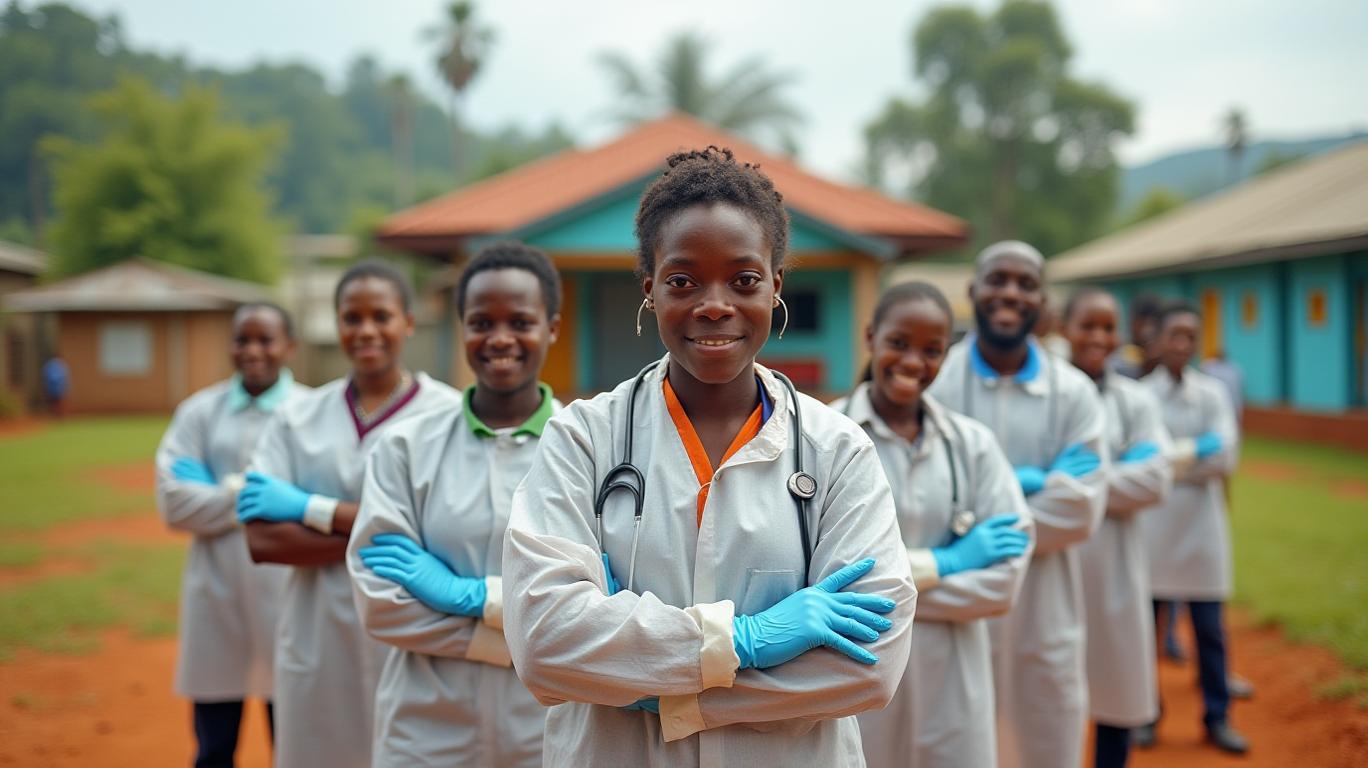
Healthcare Infrastructure: Strengthening Systems for Future Crises
The Ebola outbreak underscored the need for robust healthcare infrastructure. The U.S. government’s $6 million contribution to Uganda’s 2025 Ebola response included funding for case identification, contact tracing, lab diagnostics, public messaging, and infection prevention. This investment reflects broader opportunities in healthcare infrastructure, including:
- Disease Surveillance Technology: Expanding community-based surveillance systems to detect outbreaks early.
- Medical Supplies and Equipment: Demand for advanced treatments like monoclonal antibodies (100 vials donated by the U.S. in 2025) and lab diagnostics.
- Workforce Training: Partnerships to scale up programs for healthcare workers in outbreak response.
Current data shows Uganda allocates only 7.3% of its GDP to healthcare, far below the 15% target set by the Abuja Declaration. Investors could fill this gap by supporting private hospitals, telemedicine platforms, or public-private partnerships (PPPs) for rural clinics.
Agriculture: Modernizing a Growth Engine
Uganda’s agricultural sector, which contributes 23% to GDP and employs over 60% of the population, remains a cornerstone of economic recovery. Post-Ebola, opportunities abound in:
- Climate-Resilient Farming: Investments in irrigation systems and drought-resistant crops (e.g., cassava, maize) to mitigate climate risks.
- Value-Chain Development: Supporting agro-processing industries (e.g., coffee, tea, fish) to reduce post-harvest losses and boost exports.
In 2023, agricultural exports grew by 12%, driven by tea and coffee. However, only 30% of arable land is currently under irrigation, leaving significant room for tech-driven innovations like precision farming and vertical hydroponics.
Technology and Innovation: Building Digital Resilience
The pandemic and Ebola outbreak highlighted the need for digital solutions in healthcare and education. Key opportunities include:
- Telemedicine Platforms: Expanding access to rural populations, where 75% of Ugandans live.
- E-Learning Systems: Replicating Kenya’s Code with Kids model to train a tech-savvy workforce.
Mobile money transactions have surged from $55 billion in 2019 to $82 billion in 2023, underscoring Uganda’s readiness for fintech investments. Startups like Zamya (a healthtech platform) and Tumaini (agritech) are already attracting venture capital.
Tourism and Infrastructure: Reopening a Natural Paradise
Uganda’s tourism sector, which fell by 50% during the pandemic, is poised for recovery. Investors could target:
- Eco-Tourism: Gorilla trekking in Bwindi Impenetrable Forest or chimpanzee safaris in Kibale National Park.
- Infrastructure Upgrades: Road rehabilitation and smart city initiatives in Kampala, where 40% of businesses cited poor infrastructure as a constraint.
Tourism revenue dropped to $1.2 billion in 2020 but rebounded to $2.1 billion in 2023. With 60% of visitors citing “natural beauty” as their primary attraction, eco-lodges and community-led conservation projects offer high returns.
Challenges and Risks
Despite these opportunities, Uganda faces hurdles:
- Political and Regulatory Risks: Corruption remains a concern, with Transparency International ranking Uganda 120th out of 180 countries in 2023.
- Funding Gaps: The U.S. terminated $300 million in agricultural aid contracts in 2023, creating openings for private investors.
- Climate Vulnerabilities: Uganda’s reliance on rain-fed agriculture leaves it exposed to erratic weather patterns.
Conclusion: A Strategic Investment Playbook
Uganda’s post-Ebola recovery hinges on leveraging its strengths in healthcare, agriculture, and tech while addressing systemic risks. Key data points reinforce this narrative:
- Economic Resilience: GDP grew by 5.2% in FY 2022/23, with FDI rising to $2.9 billion in 2023 (a 79% jump from 2022).
- Healthcare Demand: The Africa CDC’s $2 billion plan to boost regional health systems offers a framework for PPPs.
- Agricultural Potential: USAID’s prior work reduced rural poverty by 16% from 2010–2013; modernizing this sector could yield similar gains.
Investors should prioritize sectors where resilience meets opportunity—such as digital health infrastructure, climate-smart agriculture, and eco-tourism. By aligning with Uganda’s National Response Plan and regional bodies like the Africa CDC, stakeholders can build a sustainable future for this East African economy.
As Uganda transitions from crisis to growth, the question isn’t whether to invest—but how to do so wisely. The data and the land are ready.







Comentarios
Aún no hay comentarios