
UFP Technologies Surges Ahead in Medtech, Navigates Challenges in Q1 2025
UFP Technologies (UFPT) delivered a standout performance in Q1 2025, with revenue surging 41% year-over-year to $148.1 million, driven by explosive growth in its medical segment and strategic acquisitions. While challenges in robotic surgery and integration hiccups emerged, the company’s focus on high-margin medtech markets and geographic expansion positions it as a leader in its niche.
Financial Momentum Amid Operational Hurdles
The earnings report highlighted a stark divergence in performance across segments. The medical segment grew 50.4% to $135.4 million, fueled by demand for safe patient handling solutions and post-pandemic recovery in interventional/surgical markets. This segment now accounts for 91% of total revenue, up from 85% a year ago. Operating income jumped 49.5% to $25.8 million, while adjusted EBITDA rose 45.9% to $30.2 million, reflecting strong leverage on fixed costs.
However, gross margin dipped to 28.5% from 28.6% in Q1 2024 due to inefficiencies at the recently acquired AJR operations. Management attributed this to staffing and training delays but emphasized that these issues would persist through Q2. Meanwhile, the non-medical Advanced Components segment saw revenue plunge 16.3%, as resources were redirected to higher-growth medtech areas.
Medtech Dominance and Strategic Expansion
The safe patient handling division emerged as a linchpin of growth, growing 50% year-over-year to become the second-largest segment. A new exclusive manufacturing agreement through 2030 secures long-term demand, while production shifts to the Dominican Republic aim to cut costs. This segment’s success is further bolstered by a fold-in acquisition in St. Charles, Illinois, which added manufacturing capacity.
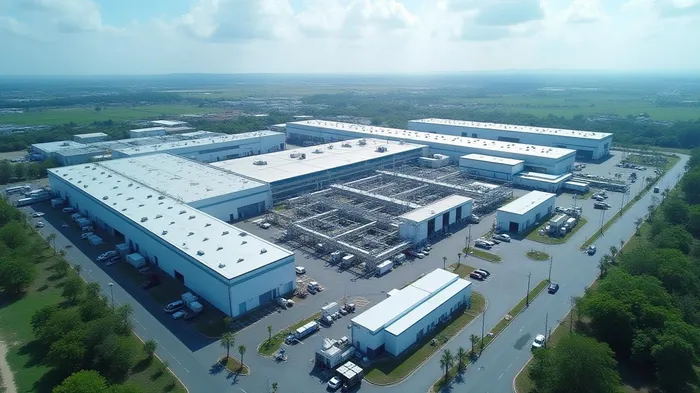
The company’s Dominican Republic expansion is central to its scalability. A leased facility in Santiago has doubled operations, and a fifth facility in La Romana—featuring R&D labs and engineering offices—is under construction. These moves aim to reduce reliance on U.S. labor costs and support robotic surgery programs, which saw $8 million in sales exposed to potential 10% tariffs. Management expects most tariff impacts to be passed to customers but acknowledged macroeconomic risks.
Challenges and Risks
- AJR Integration: Direct labor inefficiencies will pressure margins through Q2, though long-term benefits from the $75 million acquisition are clear.
- Robotic Surgery Volatility: Revenue fell 6% in Q1 due to inventory adjustments by its largest customer. New programs in the Dominican Republic are expected to stabilize this segment in 2026.
- Tariff Uncertainty: While cost pass-through is planned, demand sensitivity to inflation or supply chain disruptions remains a wildcard.
Outlook: Bulls on Medtech, Cautious on Execution
Management remains bullish on its dual strategy of medtech expansion and strategic M&A, with two major robotic surgery programs poised to accelerate growth in 2026. The safe patient handling segment’s 2030 agreement and the Dominican Republic’s cost advantages provide a sturdy foundation.
Financial flexibility is another plus: the company exited Q1 with a leverage ratio below 1.5x and $13.8 million in operating cash flow, enabling debt reduction and capital expenditures. With adjusted EBITDA up 45.9%, UFP is well-positioned to capitalize on acquisition opportunities and scale its operations.
Conclusion: A High-Growth Story with Execution Risks
UFP Technologies’ Q1 results underscore its transformation into a medtech powerhouse. The 41% revenue growth and robust EBITDA expansion reflect strong execution in high-margin markets, while the Dominican Republic’s role as a cost-efficient hub bodes well for future scalability. However, investors must weigh this potential against near-term risks: tariffs, integration delays, and robotic surgery volatility.
For the risk-tolerant investor, UFP’s focus on $800 million+ in annual medtech opportunities and its low leverage (1.5x) make it a compelling play on the growing demand for medical technology. If management can smooth out operational hiccups and navigate trade headwinds, UFPT could sustain its trajectory as a leader in its niche—making it a stock to watch in 2025 and beyond.







Comentarios
Aún no hay comentarios