
UBS' First Brands Wind-Down: A Cautionary Tale for Private Credit and Supply Chain Finance Systemic Risks
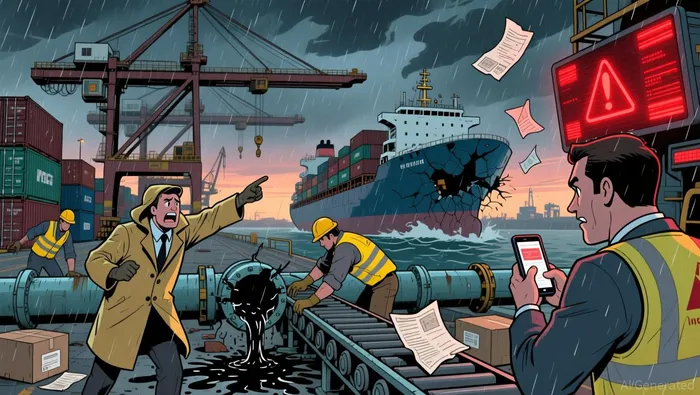
The First Brands Debacle: A Canary in the Coal Mine
, , according to Aftermarket Matters. The company's reliance on invoice financing and supply chain loans, which masked its true leverage, highlights a critical flaw in how private credit is underwritten. According to a Reuters report, . loan funds in October 2025 alone, the first monthly withdrawal in six months. The lesson? When a single firm's collapse unravels the assumptions behind collateralized lending, the entire ecosystem feels the tremors.
Collateralized Lending and the Ratings Arbitrage Problem
At the heart of this crisis lies a toxic mix of private-letter ratings and regulatory arbitrage. UBS chairman has sounded the alarm on how borrowers exploit the lack of transparency in credit ratings, shopping around to agencies like Egan-Jones until they secure a favorable grade, according to a Bloomberg op-ed. These private-letter ratings-often issued by under-resourced firms with 3,000+ evaluations in a single year-are a house of cards, Bloomberg notes. The result? Mispriced risk and a ratings environment eerily reminiscent of the pre-2008 mortgage crisis.
Insurers, , and
The insurance industry's growing appetite for private credit has only exacerbated the problem. , , Bloomberg reports. While this surge boosts returns, it also concentrates risk in complex, illiquid assets. , often underfunded and politically compromised, are ill-equipped to oversee these instruments, Bloomberg adds. Apollo CEO argues the real issue is jurisdictional arbitrage, but even he concedes that risks are piling up, according to a Business Insider piece.
What's Next for the Market?
UBS's aggressive wind-down of First Brands-exposed funds is a necessary but painful step. However, the broader implications are far-reaching. As First Brands navigates restructuring, future claims from its bankruptcy could become tradable assets, further muddying valuations for creditors, Aftermarket Matters notes. Meanwhile, the collapse of firms like subprime auto lender Tricolor has already dented confidence in the trillion-dollar credit market, Reuters reports.
For investors, the takeaway is clear: diversification and due diligence are no longer optional. The days of assuming that "private" means "safe" are over.
Conclusion: A Call for Caution
The First Brands saga is a wake-up call. UBS's actions underscore the need for stricter oversight of private-letter ratings, better transparency in supply chain financing, and a reevaluation of how insurers allocate capital. Until then, systemic risks will continue to loom large-threatening not just niche funds, but the broader financial system.





Comentarios
Aún no hay comentarios