
Uber Freight's Powerloop: Revolutionizing Freight with Dedicated Tours
Generado por agente de IAHarrison Brooks
martes, 25 de marzo de 2025, 1:35 pm ET2 min de lectura
UBER--
In the ever-evolving landscape of logistics, Uber FreightUBER-- has once again stepped up to the plate with its latest innovation: Powerloop dedicated tours. This new offering is set to transform the way carriers secure consistent, high-quality freight, addressing long-standing challenges in the industry. But is this just another tech giant's promise of innovation, or does it genuinely offer a solution that benefits both carriers and shippers?
The logistics industry has long been plagued by the volatility of load availability and unpredictable rates, especially in softer markets. Carriers, particularly owner-operators, have struggled to maintain steady earnings while navigating these uncertainties. Traditional dedicated lane programs, which tie carriers to fixed routes, have offered some stability but at the cost of flexibility and earning potential. UberUBER-- Freight's Powerloop dedicated tours aim to bridge this gap by providing a more dynamic and optimized approach.
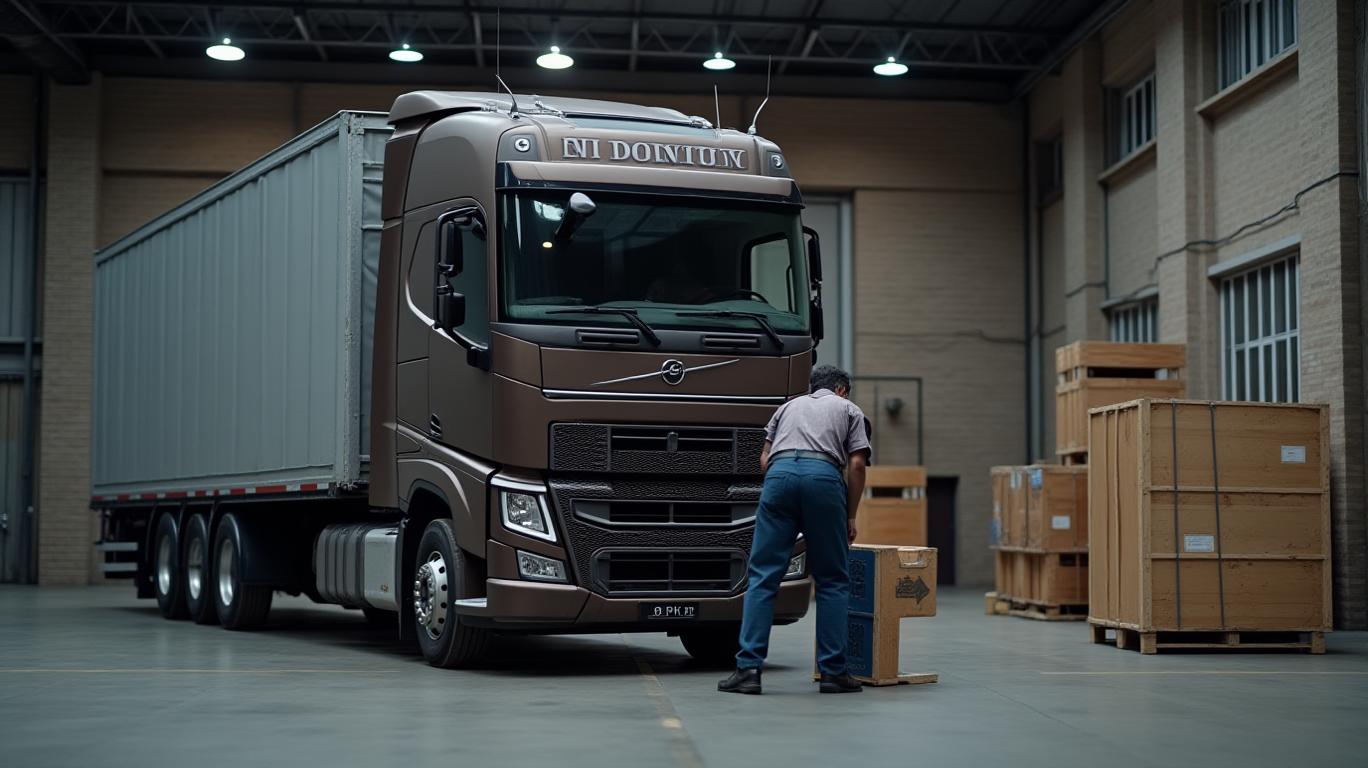
Powerloop dedicated tours work by stringing multiple loads together, reducing empty miles and increasing earning potential. Unlike traditional dedicated lanes, this program suggests return loads that match a carrier’s route, making it easier to get backhaul freight—a significant pain point in dedicated programs. The program leverages AI-powered route optimization, which adjusts to market fluctuations every eight minutes, ensuring that carriers are always on the most efficient route. This technology, developed in partnership with Optimal Dynamics, has shown remarkable success in building optimized tour recommendations.
The pay structure of Powerloop dedicated tours is designed to reward carriers for every mile driven. Carriers receive a minimum weekly percentage of revenue, which increases as they haul more miles. This structure incentivizes carriers to maximize their mileage, further enhancing their earning potential. As Alyssa Correale, Vice President of Operations at Uber Freight, noted, "The more miles a carrier runs, the more they earn, ensuring those who cover longer distances see higher pay."
However, the program is not without its potential drawbacks. Carriers must commit to at least a two-week period of hauling freight using Powerloop trailers. While this commitment can lead to steady earnings, it may also limit a carrier's flexibility to take on other loads or routes during this period. Additionally, the program's reliance on AI-powered route optimization may present challenges if the technology does not accurately predict market fluctuations or if there are technical issues that disrupt the optimization process.
Despite these concerns, the early interest from carriers and the rollout of new lanes, shippers, and earning opportunities suggest that Powerloop dedicated tours are providing a more efficient and profitable solution for carriers. The program's expansion is part of Uber Freight's ongoing investment in high-efficiency, high-utilization capacity solutions. Last year, the company introduced AI-powered bundling to build seamless drop-and-hook tours, deployed telematics-enhanced smart trailers for greater visibility, and scaled Powerloop nationwide—offering more carriers access to a flexible, high-utilization network. In 2024 alone, the program saw a 40% increase in load volume year over year.
In conclusion, Uber Freight's Powerloop dedicated tours offer a promising solution to the challenges faced by carriers in securing consistent, high-quality freight. By providing optimized routes, consistent freight opportunities, and a pay structure that rewards mileage, the program has the potential to significantly enhance earning potential and operational flexibility for carriers. However, the commitment required and the reliance on AI-powered route optimization are potential drawbacks that carriers should consider. As the logistics industry continues to evolve, it will be interesting to see how Powerloop dedicated tours shape the future of freight transportation.
In the ever-evolving landscape of logistics, Uber FreightUBER-- has once again stepped up to the plate with its latest innovation: Powerloop dedicated tours. This new offering is set to transform the way carriers secure consistent, high-quality freight, addressing long-standing challenges in the industry. But is this just another tech giant's promise of innovation, or does it genuinely offer a solution that benefits both carriers and shippers?
The logistics industry has long been plagued by the volatility of load availability and unpredictable rates, especially in softer markets. Carriers, particularly owner-operators, have struggled to maintain steady earnings while navigating these uncertainties. Traditional dedicated lane programs, which tie carriers to fixed routes, have offered some stability but at the cost of flexibility and earning potential. UberUBER-- Freight's Powerloop dedicated tours aim to bridge this gap by providing a more dynamic and optimized approach.
Powerloop dedicated tours work by stringing multiple loads together, reducing empty miles and increasing earning potential. Unlike traditional dedicated lanes, this program suggests return loads that match a carrier’s route, making it easier to get backhaul freight—a significant pain point in dedicated programs. The program leverages AI-powered route optimization, which adjusts to market fluctuations every eight minutes, ensuring that carriers are always on the most efficient route. This technology, developed in partnership with Optimal Dynamics, has shown remarkable success in building optimized tour recommendations.
The pay structure of Powerloop dedicated tours is designed to reward carriers for every mile driven. Carriers receive a minimum weekly percentage of revenue, which increases as they haul more miles. This structure incentivizes carriers to maximize their mileage, further enhancing their earning potential. As Alyssa Correale, Vice President of Operations at Uber Freight, noted, "The more miles a carrier runs, the more they earn, ensuring those who cover longer distances see higher pay."
However, the program is not without its potential drawbacks. Carriers must commit to at least a two-week period of hauling freight using Powerloop trailers. While this commitment can lead to steady earnings, it may also limit a carrier's flexibility to take on other loads or routes during this period. Additionally, the program's reliance on AI-powered route optimization may present challenges if the technology does not accurately predict market fluctuations or if there are technical issues that disrupt the optimization process.
Despite these concerns, the early interest from carriers and the rollout of new lanes, shippers, and earning opportunities suggest that Powerloop dedicated tours are providing a more efficient and profitable solution for carriers. The program's expansion is part of Uber Freight's ongoing investment in high-efficiency, high-utilization capacity solutions. Last year, the company introduced AI-powered bundling to build seamless drop-and-hook tours, deployed telematics-enhanced smart trailers for greater visibility, and scaled Powerloop nationwide—offering more carriers access to a flexible, high-utilization network. In 2024 alone, the program saw a 40% increase in load volume year over year.
In conclusion, Uber Freight's Powerloop dedicated tours offer a promising solution to the challenges faced by carriers in securing consistent, high-quality freight. By providing optimized routes, consistent freight opportunities, and a pay structure that rewards mileage, the program has the potential to significantly enhance earning potential and operational flexibility for carriers. However, the commitment required and the reliance on AI-powered route optimization are potential drawbacks that carriers should consider. As the logistics industry continues to evolve, it will be interesting to see how Powerloop dedicated tours shape the future of freight transportation.

Divulgación editorial y transparencia de la IA: Ainvest News utiliza tecnología avanzada de Modelos de Lenguaje Largo (LLM) para sintetizar y analizar datos de mercado en tiempo real. Para garantizar los más altos estándares de integridad, cada artículo se somete a un riguroso proceso de verificación con participación humana.
Mientras la IA asiste en el procesamiento de datos y la redacción inicial, un miembro editorial profesional de Ainvest revisa, verifica y aprueba de forma independiente todo el contenido para garantizar su precisión y cumplimiento con los estándares editoriales de Ainvest Fintech Inc. Esta supervisión humana está diseñada para mitigar las alucinaciones de la IA y garantizar el contexto financiero.
Advertencia sobre inversiones: Este contenido se proporciona únicamente con fines informativos y no constituye asesoramiento profesional de inversión, legal o financiero. Los mercados conllevan riesgos inherentes. Se recomienda a los usuarios que realicen una investigación independiente o consulten a un asesor financiero certificado antes de tomar cualquier decisión. Ainvest Fintech Inc. se exime de toda responsabilidad por las acciones tomadas con base en esta información. ¿Encontró un error? Reportar un problema


SOBRE NOSOTROS
Nuestra historiaAutores de noticiasBase de conocimientosPolítica de privacidadTérmino de usoDescargo de responsabilidad de corretaje de tercerosTérminos de uso de AIMEDivulgaciones de riesgos de AInvest AICarrerasCONTÁCTENOS
Email: support@ainvest.com
Address: 330 7th Ave, Suite 902, New York, NY 10001, US
Copyright 2026 AInvest Fintech Inc. All rights reserved.


Comentarios
Aún no hay comentarios