
Uber Cracks Down on GPS Manipulation, Drivers Claim Technical Errors Responsible
PorAinvest
sábado, 13 de septiembre de 2025, 6:32 am ET2 min de lectura
UBER--
In July, an Uber driver named Andre received a notification that his account had been deactivated for alleged GPS manipulation. He insisted that he had not manipulated his GPS location and was left bewildered by the accusation. An Uber spokesperson stated that the deactivation was necessary to ensure the safe and reliable functioning of the platform, but the process has been criticized for being opaque and lacking in transparency [1].
Similar incidents have been reported by other drivers in California. One driver, who primarily delivered orders for Uber Eats, noticed discrepancies between his actual location and what the app displayed. Another driver, who was deactivated for GPS manipulation, attributed the issue to a sudden loss of connectivity in a tunnel, leading to a significant jump in his GPS location [1].
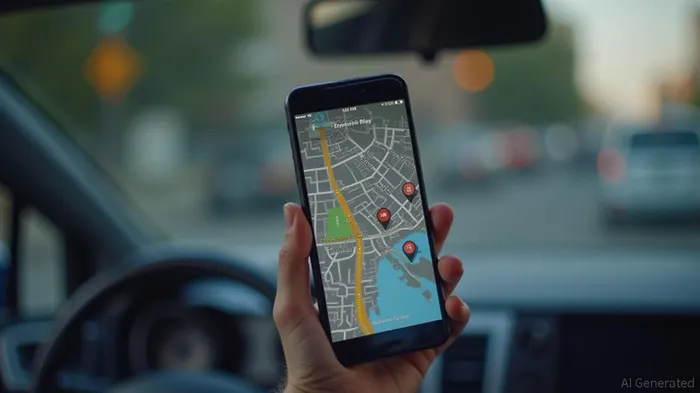
Uber uses multiple signals, including GPS and cellphone tower data, to detect fraudulent activities. However, drivers argue that GPS technology is not always accurate, and technical glitches can lead to false positives. The company has faced criticism for not providing adequate explanations or appeal processes for deactivated accounts.
The deactivations have forced some drivers to turn to alternative platforms like Lyft to recoup their losses. Andre, for instance, has started driving for Lyft and plans to pursue arbitration with Uber to try and regain access to his account. The experience has left him feeling disillusioned, describing it as "dystopian" and comparing it to working for a "robot and AI" rather than a human boss.
The impact of these deactivations highlights the ongoing struggle between gig workers and the platforms they rely on for income. While Uber's efforts to prevent fraud are commendable, the lack of clear communication and appeal processes has led to frustration and financial strain for drivers. As Uber continues to crack down on GPS manipulation, it will be crucial for the company to balance its commitment to fraud prevention with the needs and rights of its drivers.
Uber is cracking down on GPS manipulation by drivers in California, resulting in account deactivations and financial disruptions. The company is committed to fraud prevention, but drivers claim technical errors are responsible for the issue. Impacted drivers are transitioning to alternative platforms like Lyft to recoup losses. Historically, robust fraud prevention correlates with user trust, aligning with Uber's efforts to maintain service integrity.
Uber has been actively deactivating driver accounts in California due to suspected GPS manipulation, causing significant financial disruptions for those affected. The ride-hailing giant has implemented stricter measures to curb fraudulent activities, but drivers allege that technical errors are the root cause of these deactivations. The company's commitment to fraud prevention is aimed at maintaining the integrity of its service, but the sudden and often unexplained deactivations have left many drivers without income.In July, an Uber driver named Andre received a notification that his account had been deactivated for alleged GPS manipulation. He insisted that he had not manipulated his GPS location and was left bewildered by the accusation. An Uber spokesperson stated that the deactivation was necessary to ensure the safe and reliable functioning of the platform, but the process has been criticized for being opaque and lacking in transparency [1].
Similar incidents have been reported by other drivers in California. One driver, who primarily delivered orders for Uber Eats, noticed discrepancies between his actual location and what the app displayed. Another driver, who was deactivated for GPS manipulation, attributed the issue to a sudden loss of connectivity in a tunnel, leading to a significant jump in his GPS location [1].
Uber uses multiple signals, including GPS and cellphone tower data, to detect fraudulent activities. However, drivers argue that GPS technology is not always accurate, and technical glitches can lead to false positives. The company has faced criticism for not providing adequate explanations or appeal processes for deactivated accounts.
The deactivations have forced some drivers to turn to alternative platforms like Lyft to recoup their losses. Andre, for instance, has started driving for Lyft and plans to pursue arbitration with Uber to try and regain access to his account. The experience has left him feeling disillusioned, describing it as "dystopian" and comparing it to working for a "robot and AI" rather than a human boss.
The impact of these deactivations highlights the ongoing struggle between gig workers and the platforms they rely on for income. While Uber's efforts to prevent fraud are commendable, the lack of clear communication and appeal processes has led to frustration and financial strain for drivers. As Uber continues to crack down on GPS manipulation, it will be crucial for the company to balance its commitment to fraud prevention with the needs and rights of its drivers.
Divulgación editorial y transparencia de la IA: Ainvest News utiliza tecnología avanzada de Modelos de Lenguaje Largo (LLM) para sintetizar y analizar datos de mercado en tiempo real. Para garantizar los más altos estándares de integridad, cada artículo se somete a un riguroso proceso de verificación con participación humana.
Mientras la IA asiste en el procesamiento de datos y la redacción inicial, un miembro editorial profesional de Ainvest revisa, verifica y aprueba de forma independiente todo el contenido para garantizar su precisión y cumplimiento con los estándares editoriales de Ainvest Fintech Inc. Esta supervisión humana está diseñada para mitigar las alucinaciones de la IA y garantizar el contexto financiero.
Advertencia sobre inversiones: Este contenido se proporciona únicamente con fines informativos y no constituye asesoramiento profesional de inversión, legal o financiero. Los mercados conllevan riesgos inherentes. Se recomienda a los usuarios que realicen una investigación independiente o consulten a un asesor financiero certificado antes de tomar cualquier decisión. Ainvest Fintech Inc. se exime de toda responsabilidad por las acciones tomadas con base en esta información. ¿Encontró un error? Reportar un problema




Comentarios
Aún no hay comentarios