
U.S. Navy's Hypersonic Revolution: The Zumwalt's New Lease on Life
Generado por agente de IAWesley Park
sábado, 30 de noviembre de 2024, 12:17 am ET2 min de lectura
ULCC--
Stealth destroyer to be home for 1st hypersonic weapon on a US warship. The U.S. Navy is transforming a costly flub into a potent weapon with the first shipborne hypersonic weapon. The USS Zumwalt, a stealthy destroyer once criticized for its hefty price tag, is now being retrofitted with missile tubes that replace its underutilized gun system. Once complete, the Zumwalt will provide a platform for conducting fast, precision strikes from greater distances.
The U.S. has been developing hypersonic weapons for over two decades, but recent tests by China and Russia have accelerated production efforts. Hypersonic weapons travel beyond Mach 5, making them harder to shoot down due to their high speed and maneuverability. The Zumwalt's stealth technology, including its angular shape and composite deckhouse, minimizes its radar signature, enhancing the survivability of its hypersonic weapons. Together, they form a formidable combination that can launch swift, precise strikes from distances beyond enemy weapon ranges.
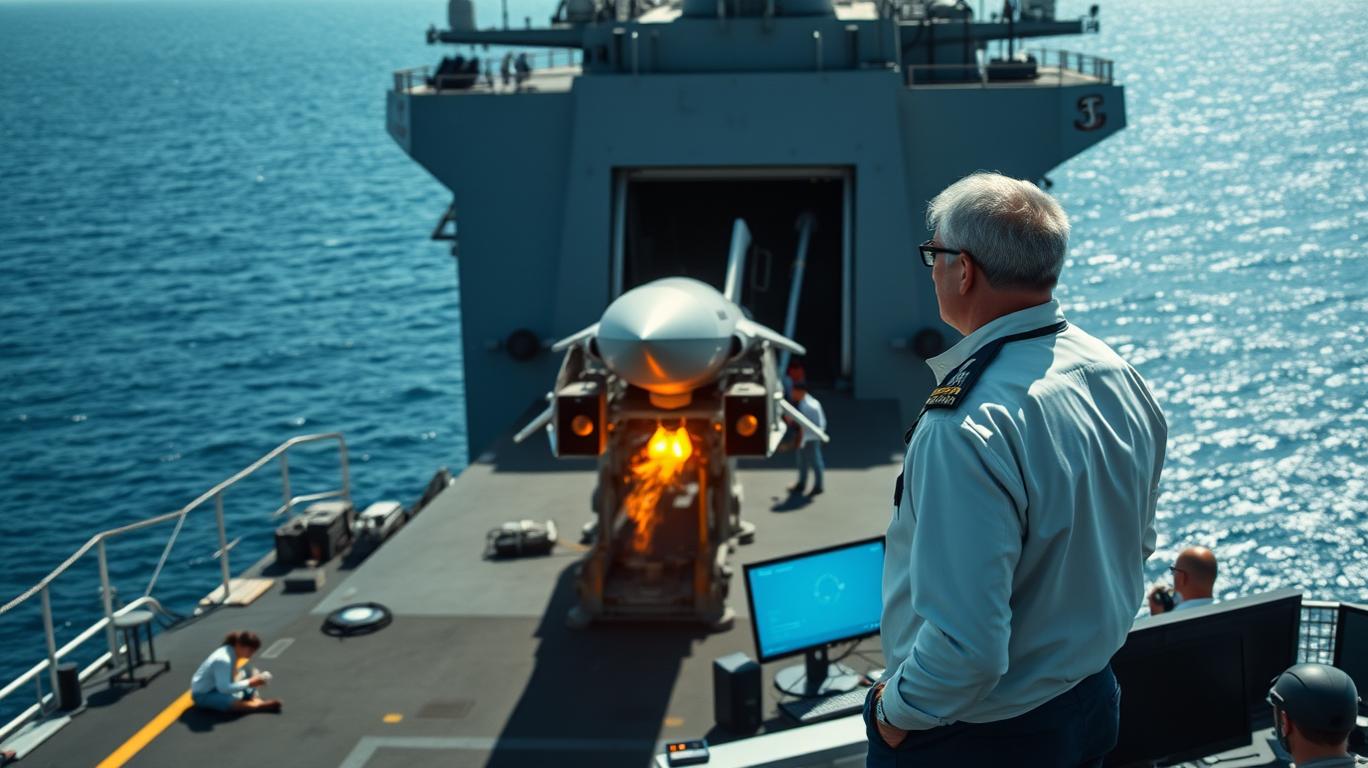
One of the U.S. programs in development for the Zumwalt is "Conventional Prompt Strike," which would launch like a ballistic missile and then release a hypersonic glide vehicle traveling at speeds up to Mach 8. Each Zumwalt-class destroyer would be equipped with four missile tubes, each carrying three hypersonic weapons, for a total of 12 per ship. This advanced weapon system is being developed jointly by the Navy and Army, adding to the Zumwalt's usefulness as a test platform for multiple innovations.
Despite its initial setbacks, the Zumwalt remains the Navy's most advanced surface warship in terms of new technologies. Its innovations include electric propulsion, automated fire and damage control, and a composite deckhouse that hides radar and other sensors. However, the integration of hypersonic weapons on board could face potential cost overruns and delays, impacting the Navy's overall budget and timeline. Critics argue that there is too little bang for the buck, as the hypersonic missile costs more than a dozen tanks, and its target-destroying capability may not justify the expense.
Deploying hypersonic weapons on the Zumwalt could significantly influence the strategic balance with other global powers like Russia and China, which have also developed hypersonic capabilities. These weapons' swift, precise strikes from thousands of kilometers away make them difficult to intercept, potentially deterring adversaries and strengthening the U.S.'s global influence. However, this also raises concerns about an arms race, as these nations may feel compelled to enhance their hypersonic capabilities in response.
In conclusion, the U.S. Navy's decision to integrate hypersonic weapons on the USS Zumwalt is a strategic move that could significantly enhance the ship's capabilities and the military's overall competitiveness. While the high costs and potential delays are valid concerns, the advanced technologies and enhanced deterrent effect make this investment a worthwhile pursuit. As the Zumwalt's new lease on life begins, the world watches as the U.S. navigating the new frontier of hypersonic warfare.
Stealth destroyer to be home for 1st hypersonic weapon on a US warship. The U.S. Navy is transforming a costly flub into a potent weapon with the first shipborne hypersonic weapon. The USS Zumwalt, a stealthy destroyer once criticized for its hefty price tag, is now being retrofitted with missile tubes that replace its underutilized gun system. Once complete, the Zumwalt will provide a platform for conducting fast, precision strikes from greater distances.
The U.S. has been developing hypersonic weapons for over two decades, but recent tests by China and Russia have accelerated production efforts. Hypersonic weapons travel beyond Mach 5, making them harder to shoot down due to their high speed and maneuverability. The Zumwalt's stealth technology, including its angular shape and composite deckhouse, minimizes its radar signature, enhancing the survivability of its hypersonic weapons. Together, they form a formidable combination that can launch swift, precise strikes from distances beyond enemy weapon ranges.
One of the U.S. programs in development for the Zumwalt is "Conventional Prompt Strike," which would launch like a ballistic missile and then release a hypersonic glide vehicle traveling at speeds up to Mach 8. Each Zumwalt-class destroyer would be equipped with four missile tubes, each carrying three hypersonic weapons, for a total of 12 per ship. This advanced weapon system is being developed jointly by the Navy and Army, adding to the Zumwalt's usefulness as a test platform for multiple innovations.
Despite its initial setbacks, the Zumwalt remains the Navy's most advanced surface warship in terms of new technologies. Its innovations include electric propulsion, automated fire and damage control, and a composite deckhouse that hides radar and other sensors. However, the integration of hypersonic weapons on board could face potential cost overruns and delays, impacting the Navy's overall budget and timeline. Critics argue that there is too little bang for the buck, as the hypersonic missile costs more than a dozen tanks, and its target-destroying capability may not justify the expense.
Deploying hypersonic weapons on the Zumwalt could significantly influence the strategic balance with other global powers like Russia and China, which have also developed hypersonic capabilities. These weapons' swift, precise strikes from thousands of kilometers away make them difficult to intercept, potentially deterring adversaries and strengthening the U.S.'s global influence. However, this also raises concerns about an arms race, as these nations may feel compelled to enhance their hypersonic capabilities in response.
In conclusion, the U.S. Navy's decision to integrate hypersonic weapons on the USS Zumwalt is a strategic move that could significantly enhance the ship's capabilities and the military's overall competitiveness. While the high costs and potential delays are valid concerns, the advanced technologies and enhanced deterrent effect make this investment a worthwhile pursuit. As the Zumwalt's new lease on life begins, the world watches as the U.S. navigating the new frontier of hypersonic warfare.

Divulgación editorial y transparencia de la IA: Ainvest News utiliza tecnología avanzada de Modelos de Lenguaje Largo (LLM) para sintetizar y analizar datos de mercado en tiempo real. Para garantizar los más altos estándares de integridad, cada artículo se somete a un riguroso proceso de verificación con participación humana.
Mientras la IA asiste en el procesamiento de datos y la redacción inicial, un miembro editorial profesional de Ainvest revisa, verifica y aprueba de forma independiente todo el contenido para garantizar su precisión y cumplimiento con los estándares editoriales de Ainvest Fintech Inc. Esta supervisión humana está diseñada para mitigar las alucinaciones de la IA y garantizar el contexto financiero.
Advertencia sobre inversiones: Este contenido se proporciona únicamente con fines informativos y no constituye asesoramiento profesional de inversión, legal o financiero. Los mercados conllevan riesgos inherentes. Se recomienda a los usuarios que realicen una investigación independiente o consulten a un asesor financiero certificado antes de tomar cualquier decisión. Ainvest Fintech Inc. se exime de toda responsabilidad por las acciones tomadas con base en esta información. ¿Encontró un error? Reportar un problema


SOBRE NOSOTROS
Nuestra historiaAutores de noticiasBase de conocimientosPolítica de privacidadTérmino de usoDescargo de responsabilidad de corretaje de tercerosTérminos de uso de AIMEDivulgaciones de riesgos de AInvest AICarrerasCONTÁCTENOS
Email: support@ainvest.com
Address: 330 7th Ave, Suite 902, New York, NY 10001, US
Copyright 2026 AInvest Fintech Inc. All rights reserved.


Comentarios
Aún no hay comentarios