
Tyson Foods: Dominance at Risk – Why Expansion Could Backfire
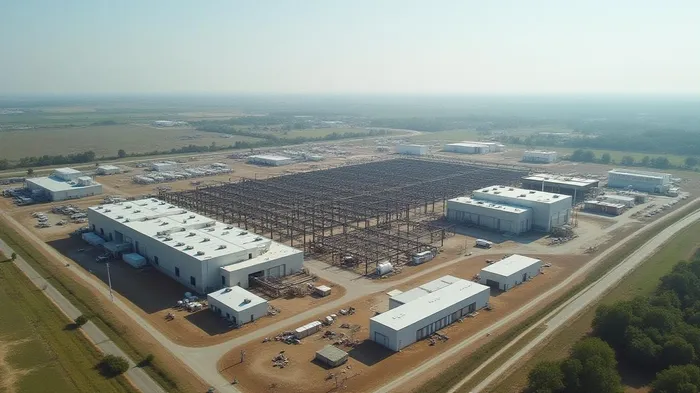
Tyson Foods (NYSE: TSN) has long been the behemoth of the U.S. poultry industry, controlling nearly 20% of the nation’s meat production and dominating 50% of the chicken market alongside Pilgrim’s Pride. Yet its recent moves to shutter plants, restructure contracts, and ally with competitors like Cal-Maine Foods have exposed strategic vulnerabilities that could unravel its growth narrative. While Tyson touts plans to boost chicken output, its aggressive tactics—now under fire from farmers, regulators, and antitrust lawsuits—threaten to turn expansion into a costly liability. For investors, the risks of overvaluation are stark.
The Legal Minefield: Farmers vs. Tyson’s Broken Contracts
Tyson’s 2023 closure of nine poultry plants, including its Dexter, Missouri facility, left contract farmers in financial ruin. Growers like Shawn Hinkle, who invested $2.3 million in Tyson-mandated infrastructure, now face $2.8 million in debt and lawsuits accusing Tyson of breach of contract and collusion. The USDA’s ongoing investigation into these closures—focusing on whether Tyson induced growers to take on unsustainable debt—adds regulatory risk to the mix.
The data reveals a pattern: Tyson’s stock surged in 2023 on expansion optimism, but dips coincided with lawsuit revelations (e.g., a 12% drop in Q4 2023 after farmers’ class-action filing). With the USDA’s Packers and Stockyards Act probe ongoing and antitrust settlements totaling $350 million+ since 2020, Tyson’s legal liabilities are mounting.
The Cal-Maine Collaboration: A Recipe for Monopoly?
Tyson’s partnership with Cal-Maine Foods to retool the Dexter plant for egg-laying hens, rather than meat chickens, has raised red flags. Farmers allege Tyson provided Cal-Maine with operational data to stifle competition from rivals like Perdue, while demanding costly retrofits that lock growers into a single buyer. This “heads-I-win, tails-you-lose” strategy mirrors Tyson’s 2016 price-fixing scandal, which cost the company $221.5 million in settlements.
The USDA’s proposed transparency rules—due early 2025—aim to curb such exploitative practices by mandating payment disclosures to growers. If enforced, they could further strain Tyson’s profit margins, as hidden “tournament systems” that disadvantaged farmers come under scrutiny.
Operational Fragility: Supply Chains on a Knife’s Edge
Tyson’s vertical integration model, once a strength, now appears its Achilles’ heel. By closing plants abruptly, Tyson left farmers with obsolete facilities and forced them to accept “outtime payments” insufficient to cover debt. This creates a ripple effect: disgruntled growers may reduce output, disrupt Tyson’s supply chain, or pivot to competitors, squeezing Tyson’s market share.
Meanwhile, Tyson’s reliance on just nine processing plants post-closure (down from 183 facilities) highlights overconsolidation. A single plant outage or regulatory penalty could now disproportionately impact production—a risk investors have yet to price in.
Why the Stock is Overvalued
Tyson’s stock trades at a 23x forward P/E ratio, above peers like Pilgrim’s Pride (18x) and Hormel (19x), despite its antitrust risks and operational fragility. The company’s 2025 guidance assumes smooth regulatory waters and farmer compliance—a rosy scenario that ignores:
1. Litigation Costs: Ongoing lawsuits could drain cash reserves.
2. Regulatory Penalties: The USDA’s Packers and Stockyards Act probe may lead to fines or forced contract reforms.
3. Supply Chain Disruptions: Farmer bankruptcies could reduce Tyson’s access to critical infrastructure.
The Bottom Line: Proceed with Caution
Tyson’s pivot to “streamlined” operations has backfired, exposing systemic flaws in its dominance model. While expansion promises may allure investors, the legal, regulatory, and operational risks now overshadow growth prospects. Until Tyson resolves its lawsuits, wins USDA approval, and demonstrates sustainable farmer partnerships, its stock remains overvalued. Investors would be wise to tread carefully—or better yet, look elsewhere for safer bets in the meat industry.
The data speaks plainly: Tyson’s valuation is inflated. The reckoning is coming—and it won’t be tender.
Investors should consider diversifying away from Tyson FoodsTSN-- until these risks are resolved. Monitor antitrust rulings and USDA actions in Q4 2025 for pivotal turning points.





Comentarios
Aún no hay comentarios