
TXNM Energy: A Model of Dividend Stability in the Shifting Energy Landscape
In an era where energy markets are in flux—driven by regulatory shifts, climate policy, and the rapid rise of renewables—TXNM Energy stands out not for its headline-grabbing volatility but for its quiet consistency. For income-focused investors, the company's dividend policy and strategic alignment with the energy transition present a compelling case for long-term value. With a current dividend yield of 2.11% as of July 2025 (TTM), TXNMTXNM-- offers a yield that outpaces the Utilities sector average of 2.68% while maintaining a payout ratio of 47.72% of trailing earnings. This balance between shareholder returns and financial prudence is rare in an industry often criticized for overleveraging to fund growth.
Financial Stability: A Foundation for Sustainable Dividends
TXNM's dividend consistency is underpinned by robust financial metrics. The company's trailing 12-month operating cash flow of $556.60 million and net income of $203.89 million provide ample cushion to support its current annual dividend of $1.64 per share. This translates to a payout ratio of roughly half of its earnings—a figure well within the company's stated target range of 50-60%. For context, many utilities in the sector operate with payout ratios exceeding 70%, leaving less room for dividend growth in downturns.
The company's debt-to-equity ratio of 2.40 raises eyebrows in a high-interest-rate environment, but this risk is mitigated by its regulated utility status. Unlike unregulated peers, TXNM benefits from predictable cash flows through mechanisms like Texas' Transmission Cost of Service (TCOS) and New Mexico's formula rates. These regulatory frameworks allow the company to recover capital expenditures and operational costs through rate bases, ensuring steady earnings even as energy markets evolve.
Strategic Growth: Aligning Renewables with Rate-Base Expansion
TXNM's strategic vision for the energy transition is as pragmatic as it is ambitious. The company's $7.8 billion capital investment plan from 2025 to 2029—a 12% increase in its regulated rate base—is focused on three pillars: grid modernization, clean energy transmission, and customer demand growth. This approach positions TXNM to capitalize on two megatrends: the decarbonization of power grids and the surging demand for electricity from data centers and electrified transportation.
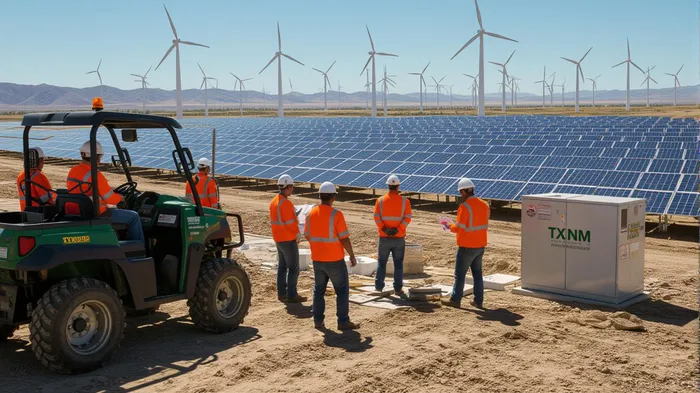
In New Mexico, the company has secured regulatory approval for 450 MW of new solar and battery storage by 2028, including a $252 million investment in a hybrid facility. This project aligns with the state's zero-carbon goal by 2035 and includes partnerships that reduce capital intensity. For instance, power purchase agreements (PPAs) and energy storage agreements (ESAs) allow TXNM to scale capacity without overburdening its balance sheet. The project's broad support—from environmental groups to local school districts—also minimizes regulatory headwinds, a critical advantage in a sector often plagued by stakeholder opposition.
Meanwhile, TXNM's Texas operations (via TNMP) are thriving. The utility has seen a 22% year-over-year increase in system peak demand, driven by data center growth. Rate recovery mechanisms like the Distribution Cost Recovery Factor (DCRF) ensure that rising capital expenditures are offset by regulated returns, creating a flywheel effect: more infrastructure investment → higher rate base → stronger earnings → sustainable dividend growth.
Navigating Challenges in a Transitional Market
No strategy is without risks. In New Mexico, PNM's operational challenges—such as higher interest expenses and insurance costs—could pressure margins. However, the recent stipulation for PNM's 2025 rate request and the approval of its 2028 Resource Application signal regulatory alignment. For TXNM, these developments are crucial for recovering costs tied to renewable investments, which are essential for long-term profitability.
The company's approach to capital efficiency further insulates it from execution risks. By blending company-owned infrastructure with partnerships, TXNM avoids the pitfalls of overleveraging. For example, its hybrid model for solar and battery storage allows it to scale capacity without fully financing every project. This flexibility is particularly valuable in a market where technological innovation (e.g., next-gen battery storage) and policy shifts could render certain investments obsolete.
Investment Implications: A Dividend Stock for the Long Haul
For investors seeking a blend of income and growth, TXNM offers a rare combination. Its 8-year streak of dividend increases, coupled with a forward-looking capital plan targeting 7-9% annualized EPS growth, suggests a trajectory of compounding value. The company's current yield of 2.11%—while below its 10-year average—remains attractive in a low-yield environment, particularly as the Utilities sector grapples with inflationary pressures.
However, investors should monitor two key metrics:
1. Regulatory developments in New Mexico and Texas: TXNM's ability to secure rate increases and avoid cost overruns will directly impact its margins.
2. Debt management: While the company's leverage is manageable today, rising interest rates could strain its capital structure if not offset by rate base growth.
Conclusion: A Utility for the Energy Transition
TXNM Energy exemplifies how a traditional utility can adapt to the energy transition without sacrificing shareholder value. Its disciplined approach to capital allocation, regulatory alignment, and renewable investments creates a virtuous cycle of earnings growth and dividend resilience. For long-term investors, the company represents a rare opportunity to participate in the clean energy revolution while enjoying the stability of a mature dividend stock. As the world shifts toward decarbonization, TXNM's ability to balance innovation with prudence will likely keep it at the forefront of the sector.





Comentarios
Aún no hay comentarios