
Turkey's Fuel Tax Shield: A Temporary Fix for a Permanent Fiscal Risk
The new sliding scale system is a targeted fiscal tool designed to insulate consumers from sudden oil price shocks. It works by automatically adjusting the Special Consumption Tax (ÖTV) on key fuels like gasoline, diesel, and LPGLPG--. When refinery exit prices rise, the government can reduce the ÖTV by up to 75% of that increase. The mechanism is calibrated to the domestic price level as of March 2, meaning the tax cut is capped at the rate in place on that date. Conversely, if prices fall, the tax can be raised by up to 75% of the drop, but it cannot exceed the March 2 level. In practice, this means a significant portion of a price surge is absorbed by the state, not the pump.
This system was activated in direct response to acute market stress. Following the closure of the Strait of Hormuz by Iran in early March, global oil prices spiked. In Turkey, this triggered a panic-driven diesel price hike of nearly 10% and long queues at fuel stations, as motorists rushed to fill tanks amid rumors of further increases. The government's move to temporarily reinstate the sliding scale was a reactive measure aimed at calming markets and preventing a broader inflationary spiral.
The tool has a clear history of being used for crisis management, not as a permanent fixture. It was first introduced in 2018 during a currency shock-induced economic crisis, reactivated in 2019, and then phased out, officially ending on March 1, 2022. Its reappearance now underscores its role as a temporary shield for a specific, acute event. The Treasury and Finance Minister framed it as a way to "mitigate the impact of the oil price shock, which we consider temporary," while attempting to maintain fiscal discipline.
Assessing the Fiscal and Economic Pressure
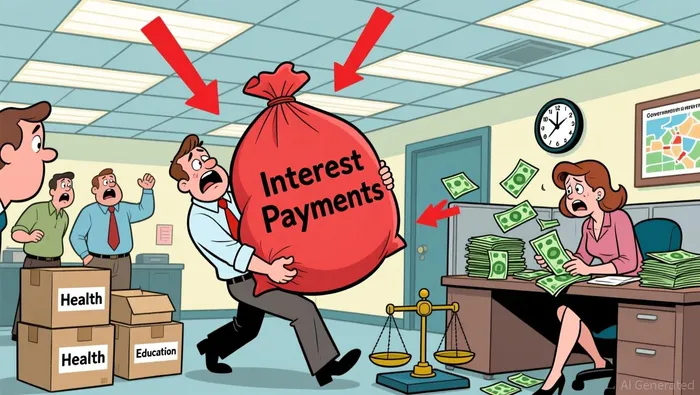
The government's decision to re-activate the sliding scale comes against a stark backdrop of fiscal strain. While the central government budget deficit widened to TRY 214.5 billion in January 2026, the most alarming figure is the explosion in interest payments. They surged 180% year-on-year to TRY 456.4 billion, a direct result of the country's growing debt burden. This leaves the Treasury with a narrow fiscal runway for discretionary interventions.
The sliding scale's design creates a direct revenue hit that compounds this pressure. The system caps any tax increase at the rate in place on March 2. This means that if refinery exit prices rise above that benchmark, the government must absorb the full cost of the price increase beyond that point through reduced tax revenue. In other words, the state is effectively covering the gap between the March 2 price level and any new, higher domestic price. This is a fiscal cost, not a savings.
This pressure is somewhat masked by an impressive primary surplus. The government recorded a primary balance surplus of TRY 241.9 billion in January, a massive improvement from the prior year. However, this surplus is almost entirely consumed by the soaring interest bill. The result is a government that is running a large primary surplus but still posting a net deficit because debt servicing now devours nearly half of all spending. This dynamic severely limits fiscal flexibility. Every time the sliding scale is used, it reduces revenue that could otherwise be directed toward the primary surplus or other priorities, making it harder to reduce the overall deficit and the debt that fuels the interest payments.
The bottom line is that the sliding scale is a costly shield. It provides immediate relief at the pump but directly reduces government revenue in a budget where the debt servicing burden is already overwhelming. It is a fiscal lifeline for consumers, but one that risks becoming a growing liability for the state's finances.
The Underlying Supply-Demand and Geopolitical Reality
The sliding scale is a reactive tool, but it does not alter the fundamental pressures that drive fuel prices. The immediate trigger was a severe geopolitical shock: Iran's closure of the Strait of Hormuz, a critical chokepoint for roughly 20% of global oil traffic. This disruption directly caused a panic-driven diesel price hike of nearly 10% in Turkey. The system's design, capping tax increases at the March 2 level, means the state is now absorbing the full fiscal cost of any price surge beyond that benchmark. In reality, it is a fiscal cost, not a savings.
Turkey's vulnerability to these shocks is structural. The country relies heavily on energy imports, making its economy acutely sensitive to global price swings. When crude prices climb due to conflict or supply fears, the impact quickly feeds into domestic inflation and worsens external imbalances. The sliding scale may shield the pump price, but it does not change the underlying supply risk or the economic transmission of those costs. The fiscal shield is a band-aid on a wound that is both physical and systemic.
There is a potential silver lining in the inflation data. The monthly inflation rate cooled to 2.96% in February, down from 4.84% in January. This could signal a temporary weakening in underlying demand or a lag in the pass-through of higher fuel costs to broader prices. However, this softening is fragile and could be reversed if the geopolitical tension persists and prices remain elevated. More importantly, the fiscal cost of the sliding scale remains a key variable. Even if demand cools, the government must still cover the gap between the March 2 price level and any new, higher domestic price through reduced tax revenue. This cost compounds the already overwhelming interest payments, limiting the state's ability to respond to any new economic shock.
The bottom line is that the sliding scale addresses a symptom, not the cause. While it provides a temporary buffer against a specific crisis, it does nothing to mitigate the persistent risk of supply disruption or the long-term sensitivity of an import-dependent economy to oil price volatility. The fiscal cost of this buffer is a growing liability that must be weighed against the economic stability it aims to protect.
Catalysts and Risks: What to Watch
The viability of Turkey's fuel price shield hinges on a few clear, watchable factors. The primary catalyst is the duration and level of high oil prices. The system's fiscal cost is a direct function of how far and how long refinery exit prices remain above the March 2 benchmark. With Brent crude trading near $84 per barrel, the government is already covering a significant portion of price increases. If this level persists or rises further, the ongoing revenue loss from the sliding scale will become a larger, more permanent drain on an already strained budget.
A key risk is that this temporary tool could become entrenched. The system was designed as a crisis measure, but its reactivation may reduce political will for more sustainable, long-term fiscal reforms. The OECD has noted that improving public finances requires a broader income tax base and more efficient consumption taxes. If the sliding scale is seen as an easy way to manage inflation and political pressure, it could delay these necessary structural changes, turning a fiscal lifeline into a growing liability.
Finally, investors and analysts should watch for official statements on the system's review and any planned adjustments. The government's stated goal is to "mitigate the impact of the oil price shock, which we consider temporary". Any extension beyond a clear timeline, or adjustments to its parameters like the 75% cap, would signal a shift in the government's fiscal stance. It would indicate that the Treasury views the revenue cost as a manageable price for economic stability, rather than a problem to be solved through broader reforms. For now, the system's fate is tied to the geopolitical winds and the Treasury's calculus on how much it can afford to spend to keep the pump price stable.





Comentarios
Aún no hay comentarios