
TSX's Strategic Pause: Seizing Long-Term Opportunities in Energy and Defensive Equities Amid Global Turbulence
The Toronto Stock Exchange (TSX) entered a consolidation phase in June 2025, with the S&P/TSX Composite Index dipping to 26,506.00 amid escalating geopolitical risks, particularly the Israel-Iran conflict. While markets paused, this volatility masks a compelling opportunity for investors to pivot toward sectors with structural resilience: energy and defensive equities. Geopolitical tensions are transient, but the demand for energy and quality industrials is enduring. Here's why now is the time to act.
Why Geopolitical Volatility is a Buying Opportunity
Geopolitical crises—from Middle East conflicts to U.S. tariff threats—create short-term market jitters but rarely alter long-term trajectories. Historical data underscores this pattern:
- Post-9/11, the Dow Jones surged 24.8% within six months due to coordinated fiscal and monetary stimulus.
- During the 2022 Russia-Ukraine war, energy stocks and gold outperformed as markets priced in crisis resolution.
The current pause is no exception. The TSX's materials sector dropped 0.7% in June, but this masks a deeper truth: geopolitical risks are catalysts for sector rotation, not permanent declines. Energy stocks, for instance, rose 0.7% as oil hit $75.80/barrel—a reflection of supply risks and structural demand.
Energy: The Bedrock of Resilience
The energy sector's performance is a masterclass in staying power. Despite global economic headwinds, oil prices remain buoyant due to:
1. Middle East Volatility: Supply disruptions from Israel-Iran tensions have tightened crude markets.
2. Tariff-Driven Protectionism: Canadian steelmakers like Algoma Steel Group (up 4.5% after Ottawa's tariff plans) benefit from reduced foreign competition.
CIBC's technical analysis highlights energy as a "strategic pivot":
- Structural Demand: Global energy transition requires both renewables and hydrocarbons. Canada's oil sands and gas reserves remain critical.
- Geopolitical Hedge: Energy stocks act as inflation hedges during crises.
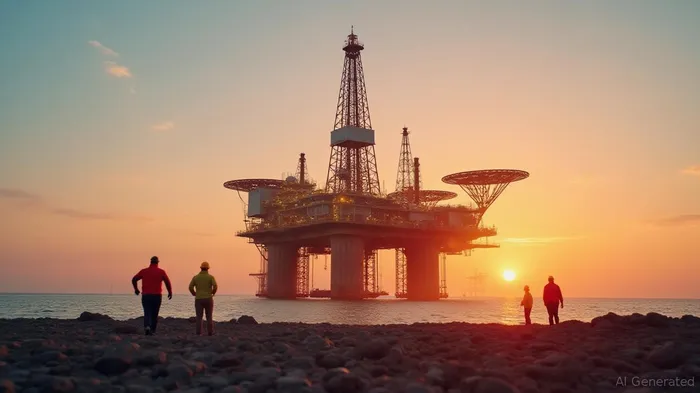
Investment Play: Overweight energy equities. Names like Cenovus Energy (CVE.TO) and Petrobank Energy (PB.TO) offer leverage to oil prices.
Defensive Equities: Quality Over Quantity
While markets fret over geopolitical noise, defensive sectors—financials, industrials, and utilities—offer stability. Key drivers:
1. Tariff Protections: Steel tariffs shield domestic producers like Algoma Steel from global oversupply.
2. Corporate Resilience: Empire Company Ltd. (EMP.A.TO) surged 5.3% after reporting strong profits, illustrating retail's adaptability.
CIBC's top picks for June—financials and industrials—have returned 11.4% YTD versus the TSX's 5.85%. Focus on quality industrials with global exposure, such as Brookfield Infrastructure (BAM.A.TO), which benefits from infrastructure spending and geopolitical diversification.
Historical Resilience: TSX vs. U.S. Markets
Though the provided data lacks direct TSX-U.S. comparisons post-geopolitical shocks, sector composition offers clues:
- Resource Exposure: The TSX's heavy weighting in energy and materials aligns with historical patterns. During the 1973 oil crisis, resource-driven markets outperformed.
- Diversification: Canadian firms like Agnico Eagle (AEM.TO) and Barrick Gold (ABX.TO) thrive during commodity booms, a feature absent in U.S. tech-heavy indices.
While U.S. markets face tech slowdowns (e.g., Apple's lackluster AI updates), Canadian industrials like Cameco Corp. (CCO.TO) and infrastructure plays are insulated.
Action Plan: Allocate Strategically
- Energy Stocks: Buy the dip in oil majors and renewables hybrids (e.g., Suncor Energy (SU.TO)).
- Tariff Winners: Invest in steel and aluminum stocks benefiting from protectionism.
- Quality Industrials: Target firms with global supply chains (e.g., Hewlett Packard (HPQ.TO) partnering with Nvidia for supercomputing).
Avoid: Overweighting tech or discretionary sectors until geopolitical risks subside.
Conclusion: Volatility is a Feature, Not a Bug
The TSX's pause is a buying opportunity masked by short-term noise. Energy and defensive equities are the anchors of this market. As CIBC's technical analysis reminds us: markets price in crisis resolutions early. History shows that within six months, these sectors will lead the rebound.
Investors should heed BMO's advice: “Buy the dip, diversify, and hold.” The TSX's resilience is structural—seize it while the pause lasts.
Stay vigilant, stay invested.







Comentarios
Aún no hay comentarios