
TryHard's $10M Buyback: A Signal or a Distraction?
The event is clear: TryHard announced a board-approved share repurchase program of up to US$10.0 million on Tuesday, January 13, 2026. The program is effective immediately and runs through December 31, 2028. The company expects to fund it from its existing cash balance.
This move lands in a stark market context. Shares were already down 9.2% to $20.04 on Tuesday, with volume at just 40,617 shares-roughly half its average daily trading level. That combination of a sharp price drop and thin volume signals weak sentiment and a lack of conviction from traders.
On the surface, the buyback is a tactical signal. The CEO framed it as a vote of confidence in the company's long-term growth trajectory and disciplined approach to capital allocation. For a stock under pressure, a repurchase program can offer a floor, absorbing shares and potentially boosting per-share metrics.
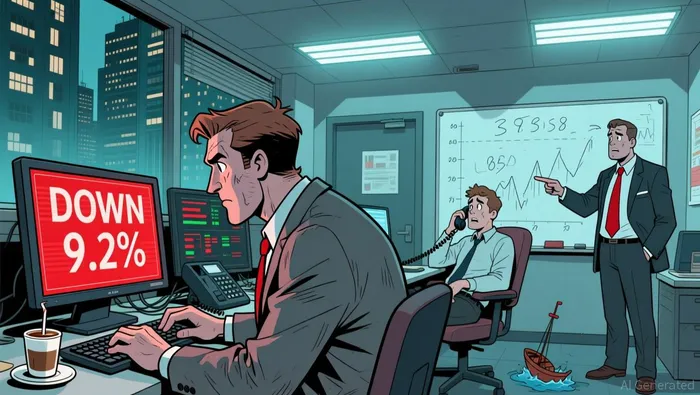
Yet the program's impact is fundamentally limited by scale and context. A $10 million buyback is a modest sum against the company's market capitalization. More critically, it comes from a position of weakness. The stock's decline and low volume suggest deeper concerns about the business are outweighing any optimism from the capital return plan. The move is a support tactic, but it does not address the underlying issues that have driven the sell-off.
Assessing the Program's Weight and Financial Reality
The program's scale is its first major constraint. A $10.0 million buyback is a small fraction of the company's market capitalization. The stock's IPO price was $22.08, implying a market cap of roughly $150 million at that level. Even after a steep decline, the program represents only about 6.7% of that nominal value. In practical terms, that sum buys a tiny number of shares at the current price, making it a symbolic gesture rather than a material market mover.
More pressing is the financial reality the buyback must navigate. The company's underlying performance is deeply concerning. Revenue grew a mere 2.24% year-over-year, and earnings plunged 89.00%. This is a classic warning sign: the business is struggling to grow, and profits are collapsing. In this context, allocating cash to buy back shares from a weak earnings base raises a red flag. It suggests the board is prioritizing a capital return over potentially critical investments in a struggling business.
The program's effectiveness hinges entirely on the board's willingness to fund it from cash. The CEO stated the company expects to fund repurchases from its existing cash balance. But with earnings collapsing, that cash buffer is likely under pressure. The buyback could deplete reserves needed for operations or strategic initiatives, especially if the weak earnings trend continues. It transforms from a vote of confidence into a potential strain on the balance sheet.
The bottom line is that the buyback is a tactical tool with limited power. Against a backdrop of weak revenue growth and catastrophic profit decline, its modest size means it cannot meaningfully support the stock. Its true impact depends on the company's ability to generate cash to fund it without jeopardizing its already fragile financial health. For now, it looks more like a distraction from the core business problems than a solution.
Immediate Risk/Reward Setup and What to Watch
The near-term setup for shareholders is defined by a stark tension. On one side, the buyback program offers a potential floor, a tangible use of cash that could absorb shares and support the per-share metrics. On the other, the program's modest size and the company's severe operational decline make it a weak counterweight to the stock's fundamental pressures. The risk/reward is heavily skewed toward the downside if the core business issues persist.
The primary risk is that the buyback becomes a distraction. With earnings plunging 89.00% and revenue growth stuck at a meager 2.24%, the board's focus on capital return over capital investment is a red flag. It suggests management is prioritizing a symbolic gesture over addressing the engine of the business. This is especially concerning given the stock's weak post-IPO period, where a buyback could be used to artificially prop up the price during a period of low trading volume and poor sentiment.
The key watchpoint is whether the company uses the program to actively support the stock. The program's authorization to fund repurchases from existing cash is a double-edged sword. It provides flexibility, but it also means the company is committing to a cash outlay without a guaranteed source of new cash flow. Shareholders should monitor for any adjustments to the program's size or timing. A reduction or suspension would signal a cash flow constraint, undermining the board's stated confidence. Conversely, aggressive execution during a weak period could be seen as a direct attempt to stem the tide, which might provide a temporary boost but does nothing to fix the underlying profit collapse.
For now, the program's impact is likely to be negligible. A $10.0 million buyback buys a tiny number of shares at the current price, and the stock's 9.2% drop on low volume shows the market is focused on fundamentals, not a small repurchase. The real catalysts for the stock remain the company's ability to reverse its earnings decline and drive meaningful revenue growth. Until those operational issues are addressed, the buyback will remain a footnote in the story of a struggling business.







Comentarios
Aún no hay comentarios