
Trust Wallet's $7M Hack Highlights Crypto-Specific Vulnerabilities in SMEs
Trust Wallet, a popular crypto wallet provider, recently suffered a $7 million hack. The incident has drawn attention to security vulnerabilities that small and medium-sized enterprises (SMEs) face when integrating cryptocurrency into their operations.
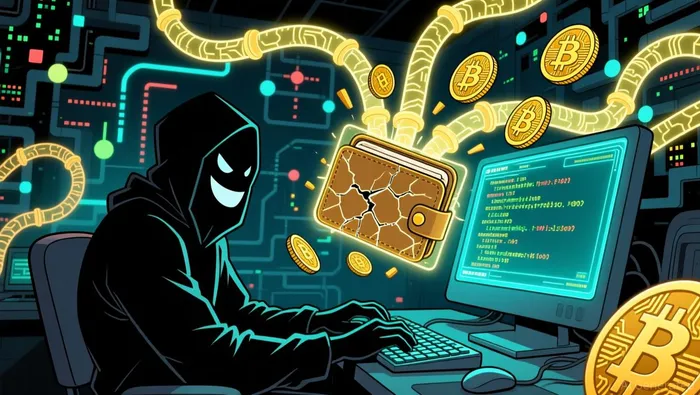
Hackers often move stolen digital assets quickly using scripts and decentralized tools, making tracking difficult. This attack highlights the need for stronger security protocols in the crypto ecosystem.
SMEs that rely on browser extensions, APIs, and cloud services for operations are particularly exposed. A single security breach can lead to substantial losses if proper precautions are not in place.
Why Did This Happen?
The Trust Wallet hack primarily exploited supply-chain vulnerabilities. SMEs frequently depend on external software and integrations, which can introduce weaknesses into their systems.
Hot wallets, while convenient, are also vulnerable to malware and private-key theft. The Trust Wallet hack revealed the dangers of storing large amounts of cryptocurrency in easily accessible formats.
Phishing attempts often follow major security incidents, targeting users who are seeking recovery options or updates. SMEs must be vigilant in training staff and users to identify and avoid such threats.
How Did Markets Respond?
Despite the Trust Wallet incident, the broader crypto market remains active. For instance, Tether and Rumble recently launched a non-custodial crypto wallet to facilitate direct payments between users and content creators.
This new wallet supports USDTUSDT--, BitcoinBTC--, and TetherUSDT-- Gold, with MoonPay providing on- and off-ramp services. The product aims to promote crypto as a medium of exchange rather than just a speculative asset.
The product also marks the first live deployment of Tether's Wallet Development Kit (WDK). The integration into Rumble's platform is expected to expand the use of decentralized payment systems.
What Are Analysts Watching Next?
Security firms like Kratikal Tech are seeking funding through IPOs to expand their AI-driven cybersecurity solutions. This reflects growing concern over digital threats and the need for advanced security tools.
SMEs in the cybersecurity space are also preparing for global expansion, aiming to address the rising demand for protection against cyberattacks.
As crypto adoption grows, so does the need for robust security frameworks. The Trust Wallet hack underscores the importance of securing digital assets through cold storage, multi-factor authentication, and incident response planning.






Comentarios
Aún no hay comentarios