
Trumponomics: More Free Money? Sure, Why Not?
Generado por agente de IAWesley Park
sábado, 22 de febrero de 2025, 10:09 am ET2 min de lectura
As the Trump administration enters its second term, the economy is buzzing with talk of more free money. With the Tax Cuts and Jobs Act (TCJA) set to expire in 2025, President Trump has hinted at extending or even expanding the tax cuts. But what does this mean for the economy and your wallet? Let's dive into the world of Trumponomics and explore the potential impacts of more free money.
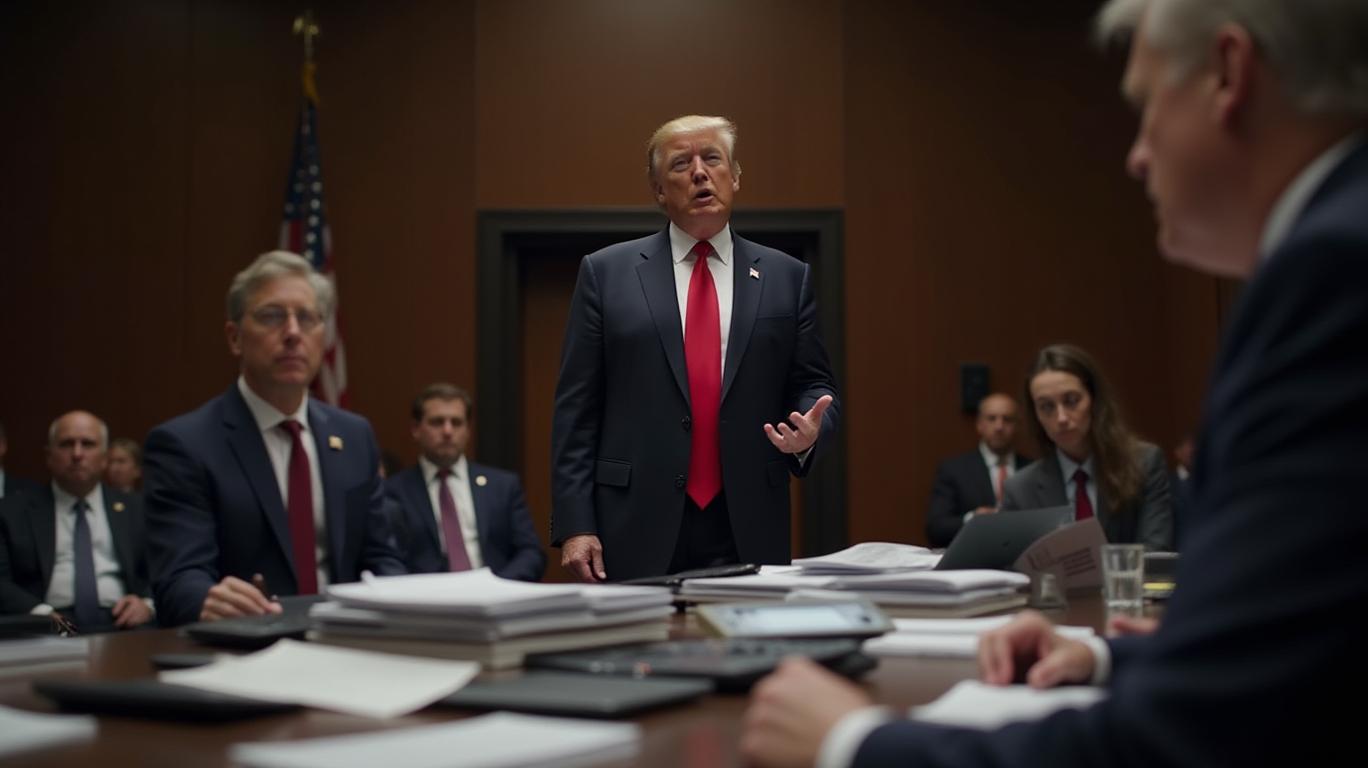
The TCJA, signed into law in 2017, was one of the most significant tax overhauls in decades. It lowered the corporate tax rate from 35% to 21% and introduced a new tax treatment for pass-through businesses. For individual taxpayers, the TCJA affected income tax rates, standard deductions, personal exemptions, health coverage mandates, tax credits, and more. While many of these reforms are set to expire in 2025, the Trump administration has suggested extending or even expanding the tax cuts.
The TCJA had a significant impact on the economy in its early years. Studies show that the legislation likely boosted economic growth through raising U.S. capital investment and raised spending as individuals had more after-tax income to spend. However, the long-term effects of the TCJA are still up for debate, with some economists arguing that the benefits will fade as the reforms expire.
If President Trump follows through on his promise to extend or expand the TCJA, we could see a continuation of the economic growth and job creation that characterized his first term. However, it's essential to consider the potential risks and unintended consequences of more free money.

One of the primary concerns is the potential impact on the federal deficit and national debt. The TCJA was estimated to add $1.9 trillion to the national debt over a decade, and extending or expanding the tax cuts could exacerbate this issue. Additionally, more free money could lead to increased inflation, which could erode the purchasing power of consumers and potentially offset the benefits of the tax cuts.
Another concern is the potential for more free money to exacerbate income inequality. The TCJA's benefits were not evenly distributed, with the majority of the tax cuts going to corporations and high-income individuals. If President Trump extends or expands the tax cuts, we could see a further widening of the wealth gap.
Despite these concerns, there are also potential benefits to extending or expanding the TCJA. More free money could stimulate consumer spending, which accounts for about two-thirds of U.S. economic activity. This increased spending could lead to more job creation and economic growth. Additionally, more free money could encourage businesses to invest in new equipment, technology, and expansion, further boosting the economy.
In conclusion, the potential impacts of more free money under Trumponomics are complex and multifaceted. While extending or expanding the TCJA could lead to increased economic growth and job creation, it's essential to consider the potential risks and unintended consequences. As the Trump administration enters its second term, it's crucial for policymakers to weigh the benefits and drawbacks of more free money and craft a balanced approach that supports economic growth while minimizing the risks to the economy and society as a whole.
As always, it's essential for investors to stay informed and make decisions based on their individual financial circumstances and risk tolerance. By staying up-to-date on the latest developments in Trumponomics and the broader economy, investors can position themselves to take advantage of new opportunities and navigate potential challenges.



Divulgación editorial y transparencia de la IA: Ainvest News utiliza tecnología avanzada de Modelos de Lenguaje Largo (LLM) para sintetizar y analizar datos de mercado en tiempo real. Para garantizar los más altos estándares de integridad, cada artículo se somete a un riguroso proceso de verificación con participación humana.
Mientras la IA asiste en el procesamiento de datos y la redacción inicial, un miembro editorial profesional de Ainvest revisa, verifica y aprueba de forma independiente todo el contenido para garantizar su precisión y cumplimiento con los estándares editoriales de Ainvest Fintech Inc. Esta supervisión humana está diseñada para mitigar las alucinaciones de la IA y garantizar el contexto financiero.
Advertencia sobre inversiones: Este contenido se proporciona únicamente con fines informativos y no constituye asesoramiento profesional de inversión, legal o financiero. Los mercados conllevan riesgos inherentes. Se recomienda a los usuarios que realicen una investigación independiente o consulten a un asesor financiero certificado antes de tomar cualquier decisión. Ainvest Fintech Inc. se exime de toda responsabilidad por las acciones tomadas con base en esta información. ¿Encontró un error? Reportar un problema




Comentarios
Aún no hay comentarios