
Trump-Won States Face Economic Pain from Canadian Tariffs
Generado por agente de IACyrus Cole
jueves, 27 de marzo de 2025, 8:30 am ET2 min de lectura
The escalating trade war between the U.S. and Canada, sparked by President Donald Trump's recent tariff impositions, is poised to have a significant impact on American cities located in states that Trump won in the 2024 election. The economic interdependencies between the two countries are deeply intertwined, and the potential fallout from Canadian tariffs could be severe for local economies.
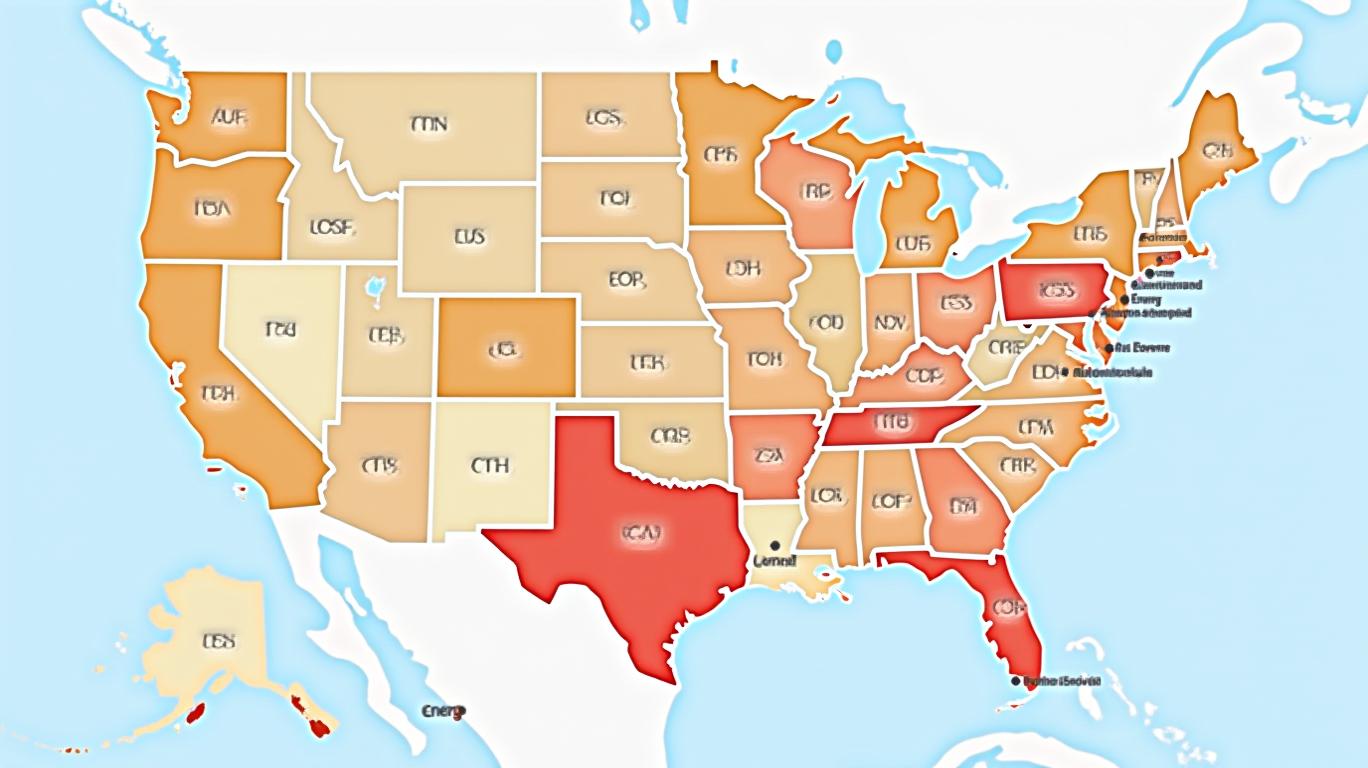
Canada is the largest export market for the U.S., with goods exports totaling $680 billion in 2023. This extensive trade relationship supports over 17 million jobs across the three countries. Specifically, Canada accounts for 60% of U.S. crude oil imports, making it a critical supplier for the energy sector, which is vital for states like Texas and Oklahoma, both of which Trump won in the 2024 election. Additionally, Canada and Mexico together account for 52% of U.S. auto part imports, highlighting the importance of the automotive industry in states like Michigan and Ohio, which are also key Trump-supporting regions.
The imposition of 25% tariffs on Canadian goods, as threatened by Trump, could lead to retaliatory measures from Canada, potentially targeting American beerAIG--, wine, bourbon, home appliances, and Florida orangeOBT-- juice. This would disrupt the supply chains and increase costs for consumers and producers in these states, leading to potential job losses and economic downturns. For example, Ontario PremierPINC-- Doug FordFORD-- has threatened to cut off shipments of nickel and transmission of electricity from his province to the U.S. in retaliation, which could severely impact industries reliant on these resources in neighboring states.
The Bank of Canada has warned that broad-based and long-lasting tariffs will hurt Canadian exports and overall output, pushing prices higher and affecting key Canadian industries such as the oil and gas industry in Alberta, potash producers in Saskatchewan, farmers in the Prairies, and the steel and aluminum industry. This economic turmoil in Canada could have ripple effects on the U.S. economy, particularly in regions that are economically dependent on trade with Canada.
The automotive industry is particularly vulnerable. For instance, "Canada and Mexico account for 52% of U.S. auto part imports" (Source: "The road ahead may be bumpy, with tariffs used as negotiation tools..."). This means that any disruption in trade could severely impact automotive manufacturing plants and supply chains in cities like Detroit, Michigan, which is a major hub for the U.S. automotive industry. The imposition of tariffs could lead to higher costs for imported parts, potentially forcing automakers to raise prices or reduce production, which could result in job losses and reduced business operations.
The agriculture sector is also at risk. Canadian tariffs on U.S. agricultural products could significantly affect farming communities and related businesses in states like California and Florida. For example, Canadian Prime Minister Justin Trudeau mentioned that Canada would target American beer, wine, bourbon, home appliances, and Florida orange juice (Source: "Canadian Prime Minister Justin Trudeau said Ottawa would respond with immediate 25% tariffs on C$30 billion ($20.7 billion) worth of U.S. imports..."). This could lead to reduced exports and lower revenues for U.S. farmers and agricultural businesses, potentially leading to job losses and financial strain.
The energy sector, particularly in states like Texas and Louisiana, could also be severely impacted. Canada is a major supplier of crude oil to the U.S., with "Canada alone makes up 60% of U.S. crude oil imports" (Source: "The road ahead may be bumpy, with tariffs used as negotiation tools..."). Tariffs on energy imports could lead to higher prices for consumers and businesses, potentially reducing demand and affecting the profitability of energy-related businesses.
The manufacturing sector, which relies heavily on cross-border supply chains, is also at risk. For example, "in the production of a Chevy Silverado or Dodge Challenger, components cross borders multiple times before being assembled into a final product" (Source: "The impact of these tariffs on trade across North America will be particularly impactful..."). Tariffs could disrupt these supply chains, leading to increased costs and potential delays in production, which could affect employment and business operations in manufacturing hubs like Chicago, Illinois.
In summary, the economic fallout from Canadian tariffs could have significant impacts on local employment and business operations in sectors such as automotive, agriculture, energy, and manufacturing. These impacts could include job losses, reduced business operations, and financial strain for businesses and communities that rely on these sectors. The potential for economic pain in Trump-won states underscores the need for a careful and strategic approach to trade policy, one that considers the interconnected nature of the U.S. and Canadian economies.



Divulgación editorial y transparencia de la IA: Ainvest News utiliza tecnología avanzada de Modelos de Lenguaje Largo (LLM) para sintetizar y analizar datos de mercado en tiempo real. Para garantizar los más altos estándares de integridad, cada artículo se somete a un riguroso proceso de verificación con participación humana.
Mientras la IA asiste en el procesamiento de datos y la redacción inicial, un miembro editorial profesional de Ainvest revisa, verifica y aprueba de forma independiente todo el contenido para garantizar su precisión y cumplimiento con los estándares editoriales de Ainvest Fintech Inc. Esta supervisión humana está diseñada para mitigar las alucinaciones de la IA y garantizar el contexto financiero.
Advertencia sobre inversiones: Este contenido se proporciona únicamente con fines informativos y no constituye asesoramiento profesional de inversión, legal o financiero. Los mercados conllevan riesgos inherentes. Se recomienda a los usuarios que realicen una investigación independiente o consulten a un asesor financiero certificado antes de tomar cualquier decisión. Ainvest Fintech Inc. se exime de toda responsabilidad por las acciones tomadas con base en esta información. ¿Encontró un error? Reportar un problema


SOBRE NOSOTROS
Nuestra historiaAutores de noticiasBase de conocimientosPolítica de privacidadTérmino de usoDescargo de responsabilidad de corretaje de tercerosTérminos de uso de AIMEDivulgaciones de riesgos de AInvest AICarrerasCONTÁCTENOS
Email: support@ainvest.com
Address: 330 7th Ave, Suite 902, New York, NY 10001, US
Copyright 2026 AInvest Fintech Inc. All rights reserved.


Comentarios
Aún no hay comentarios