
Trump Vows to Clarify Crypto Regulations Amid SEC-CFTC Dispute
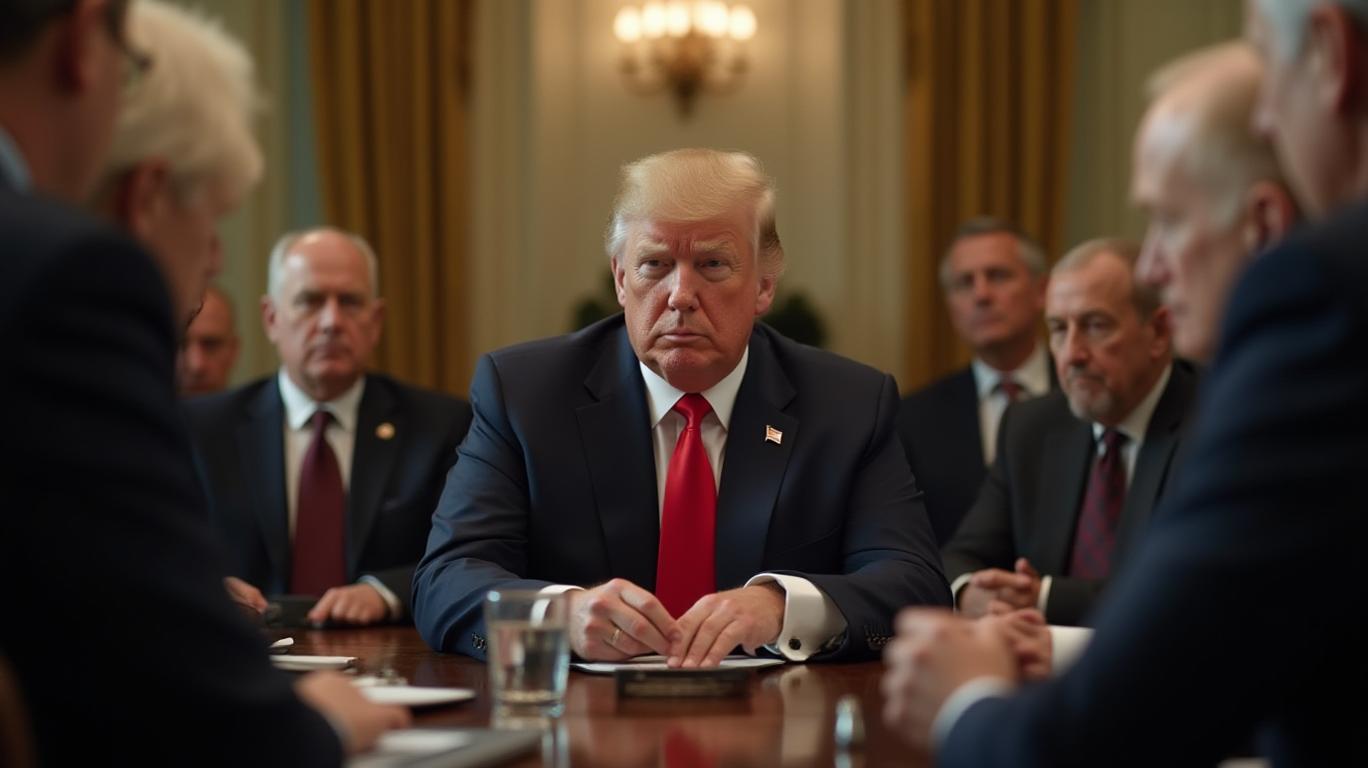
President Donald Trump recently declared that the United States is leading the way in cryptocurrency innovation and is taking steps to resolve the regulatory uncertainties that have been stifling the industry's growth. This statement comes at a critical juncture, as the classification of crypto assets has been a point of contention, impacting taxation, investor protections, and market access.
The classification of crypto assets into securities, commodities, or currencies carries significant legal implications. Securities are regulated by the Securities and Exchange Commission (SEC), which oversees their issuance, trading, and availability. Commodities, such as Bitcoin and Ethereum, fall under the jurisdiction of the Commodity Futures Trading Commission (CFTC), which focuses on trading and institutional investment. The division of authority between the SEC and CFTC has created a regulatory gray area, with the SEC often classifying many tokens as securities and the CFTC overseeing crypto commodities, including derivatives markets.
The regulatory environment is further complicated by the existence of utility tokens and stablecoins. Utility tokens, which are used to access specific platforms or services, generally fall outside the scope of securities laws. However, the SEC has scrutinized certain utility tokens that function as investment vehicles, arguing they should be classified as securities. Stablecoins, designed to maintain a stable value, face greater scrutiny due to their structural risks and lack of collateralization. Regulators assess stablecoins based on factors like issuer structureGPCR--, collateralization, and redemption mechanisms to determine their regulatory classification.
The ongoing legal disputes between the SEC and CFTC underscore the challenges of operating in a fragmented regulatory landscape. Lawmakers have proposed bills to clarify regulatory oversight, aiming to expand the CFTC's authority over crypto markets and provide clearer definitions to distinguish between securities and commodities. These efforts are crucial for businesses issuing digital tokens, as misclassification could lead to enforcement actions. Investors must also stay informed about regulatory decisions, as they impact token values, trading restrictions, and market stability.
The future of crypto regulation remains uncertain, with ongoing lawsuits and legislative efforts aiming to clarify digital asset classification. The hope is that under the current administration, clearer guidelines will emerge as regulators refine their approaches and courts set legal precedents. Until then, businesses and investors must stay flexible and ready to adapt to shifting regulations. The legal status of crypto assets is still evolving, and the distinction between securities and commodities remains a key issue. Adapting to legal changes will be essential for thriving in this rapidly shifting industry.







Comentarios
Aún no hay comentarios