
Trump to Unveil New Health Care Framework Targeting ACA Costs
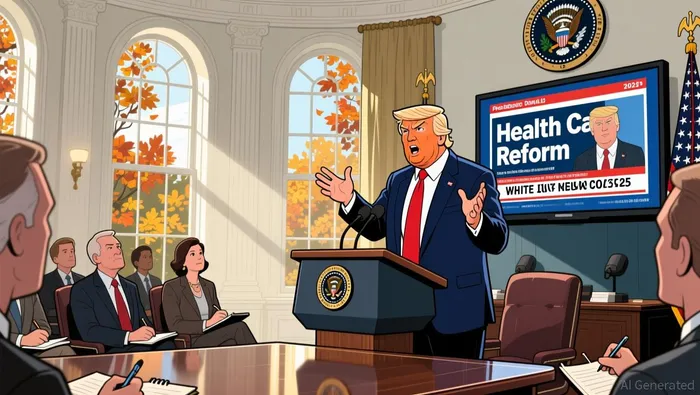
President is set to unveil the framework of a new health care initiative aimed at addressing escalating costs linked to the Affordable Care Act (ACA). The administration has signaled its intent to tackle premium spikes that will impact millions of Americans as current subsidies near their end-of-year expiration.
The proposal, tentatively named the Healthcare Price Cuts Act, is expected to be announced as early as Monday at the White House, with Trump joined by Dr. , administrator of the . The framework is designed to offer a legislative path for curbing sudden increases in ACA premiums and addressing what the White House has called “zero-premium” subsidies — a policy concern within the Republican Party regarding alleged fraudulent enrollments.
Among the key measures under consideration is a system that would require enrollees to make a minimum premium payment to confirm eligibility. , a threshold previously discussed in bipartisan negotiations. Additionally, the plan proposes a deposit program encouraging individuals to opt for lower-premium health plans, with savings from reduced coverage redirected into Health Savings Accounts funded by taxpayer contributions.
Senate Majority Leader and House Speaker are expected to be briefed on the plan, reflecting the administration’s effort to align with legislative leaders ahead of any formal congressional action. The plan also includes a push for cost-sharing reductions, which would lower out-of-pocket expenses for ACA enrollees.
Public polling indicates strong support for extending ACA tax credits, with bipartisan backing reported. However, Trump has expressed opposition to direct subsidies to insurers and has advocated for a more direct aid approach, where assistance goes directly to consumers.
The president has set a public timeline, . This would provide a structured alternative to the current ACA framework and offer a clear legislative path for addressing premium volatility in the interim. Earlier this month, a bipartisan group of lawmakers introduced a two-year extension of subsidies, while Senate Republicans agreed to a mid-December vote on the matter.
The White House has also been working on a separate initiative to implement the “” drug-pricing policy, further signaling a broader focus on reducing health care expenditures.







Comentarios
Aún no hay comentarios