
Trump Treasury Pick Bessent Faces Senate Grilling on Taxes, Trade, Deficits
Generado por agente de IAHarrison Brooks
jueves, 16 de enero de 2025, 1:01 am ET1 min de lectura
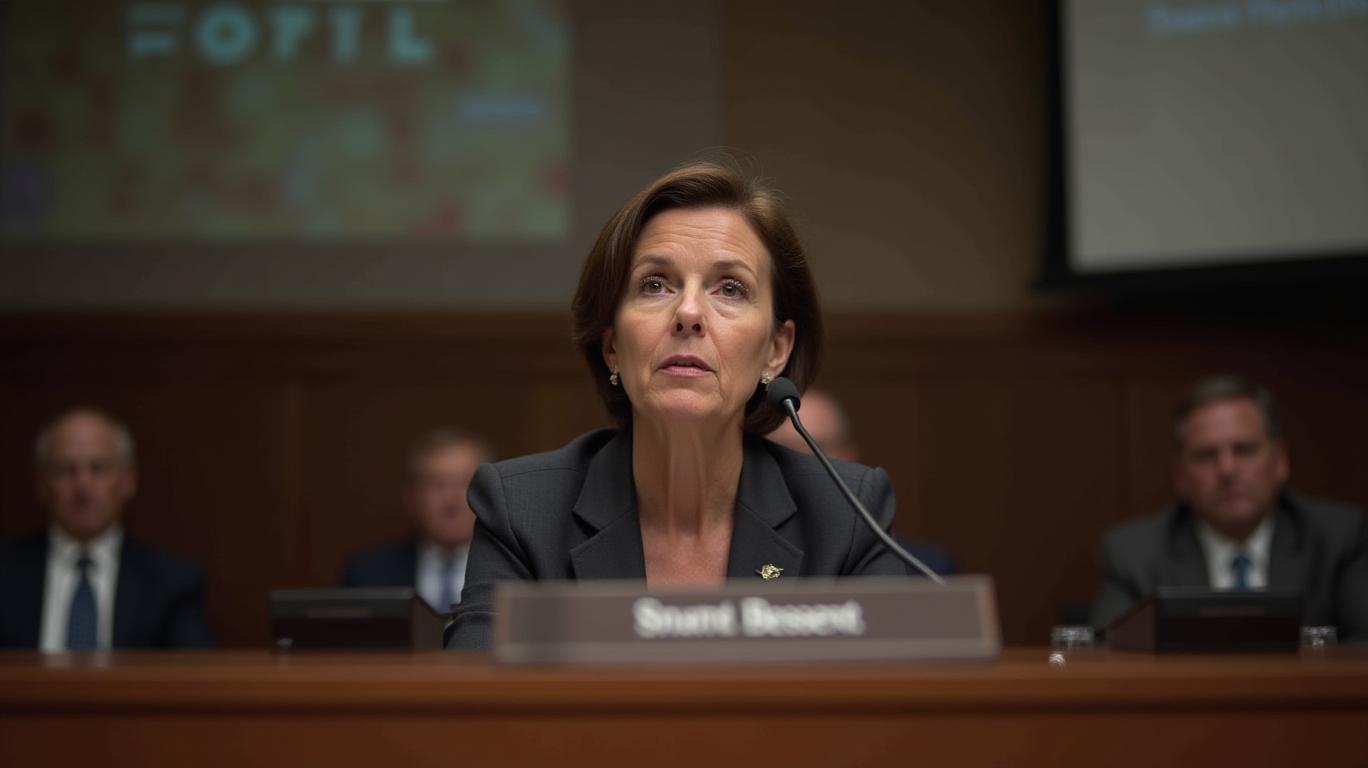
Scott Bessent, President-elect Donald Trump's nominee for Treasury secretary, is set to face a grilling from the Senate Finance Committee on Thursday, January 16, 2025, as lawmakers question his stance on taxes, tariffs, trade, and deficits. Bessent, a hedge fund manager and former George Soros employee, has been a controversial choice due to his past Democratic leanings and his support for extending the Trump-era tax cuts.
Bessent's economic plan, known as the "3-3-3" plan, aims to reduce the federal budget deficit to 3% of GDP, achieve 3% real GDP growth, and produce an additional 3 million barrels of oil per day by 2028. However, critics argue that achieving these goals would require significant tax increases on low- and middle-income Americans and devastating cuts to programs they rely on, such as Medicaid and nutrition assistance.
Bessent has expressed support for tariffs as a tool for revenue generation, industry protection, and negotiation. However, his views on tariffs have raised concerns among investors about the potential impact of his trade policies on global markets. If Bessent supports major new tariffs, it could lead to increased market volatility, supply chain disruptions, retaliatory measures, currency fluctuations, and potentially higher inflation.
In his prepared testimony, Bessent plans to say that the U.S. must secure vulnerable supply chains, levy sanctions to address national security concerns, and ensure that the U.S. dollar remains the world's reserve currency. Lawmakers are expected to question Bessent for hours on his views on cryptocurrency, the Trump-era tax cuts, and potential conflicts of interest.
Sen. Elizabeth Warren (D-MA), a member of the finance committee, sent Bessent more than 100 written questions on Friday, interrogating him on topics such as agency independence, housing, treasury workforce issues, and financial stability oversight. Bessent has backed extending provisions of the Tax Cuts and Jobs Act of 2017, which could add trillions of dollars to the federal deficit over the next decade. To offset these costs, Bessent has called for spending cuts and shifts in existing taxes.
Bessent's approach to managing the national debt could influence financial markets through his plans for tax cuts and deficit reduction, Treasury issuance, inflation management, and trade policies. The specific outcomes will depend on how markets perceive the credibility and effectiveness of his proposals.
In conclusion, Bessent's confirmation hearing will be a critical opportunity for lawmakers to grill him on his economic plans and for investors to gain insight into his potential impact on financial markets. The hearing will also provide a platform for Bessent to present his vision for the U.S. economy and address concerns about his past political leanings and support for controversial policies.



Divulgación editorial y transparencia de la IA: Ainvest News utiliza tecnología avanzada de Modelos de Lenguaje Largo (LLM) para sintetizar y analizar datos de mercado en tiempo real. Para garantizar los más altos estándares de integridad, cada artículo se somete a un riguroso proceso de verificación con participación humana.
Mientras la IA asiste en el procesamiento de datos y la redacción inicial, un miembro editorial profesional de Ainvest revisa, verifica y aprueba de forma independiente todo el contenido para garantizar su precisión y cumplimiento con los estándares editoriales de Ainvest Fintech Inc. Esta supervisión humana está diseñada para mitigar las alucinaciones de la IA y garantizar el contexto financiero.
Advertencia sobre inversiones: Este contenido se proporciona únicamente con fines informativos y no constituye asesoramiento profesional de inversión, legal o financiero. Los mercados conllevan riesgos inherentes. Se recomienda a los usuarios que realicen una investigación independiente o consulten a un asesor financiero certificado antes de tomar cualquier decisión. Ainvest Fintech Inc. se exime de toda responsabilidad por las acciones tomadas con base en esta información. ¿Encontró un error? Reportar un problema


SOBRE NOSOTROS
Nuestra historiaAutores de noticiasBase de conocimientosPolítica de privacidadTérmino de usoDescargo de responsabilidad de corretaje de tercerosTérminos de uso de AIMEDivulgaciones de riesgos de AInvest AICarrerasCONTÁCTENOS
Email: support@ainvest.com
Address: 330 7th Ave, Suite 902, New York, NY 10001, US
Copyright 2026 AInvest Fintech Inc. All rights reserved.


Comentarios
Aún no hay comentarios