
Trump Trade Divide: Bulls vs. Bears in the Market's Eye
Generado por agente de IAEli Grant
viernes, 22 de noviembre de 2024, 3:23 pm ET2 min de lectura
JPEM--
The 2024 U.S. presidential election has once again sparked debate among investors about the potential impact of a Trump presidency on the markets. The "Trump trade" – an investment strategy based on the anticipation of his policies – has been a topic of discussion since his first term. As the election approaches, investors are split between "bulls" and "bears" regarding the Trump trade's prospects.
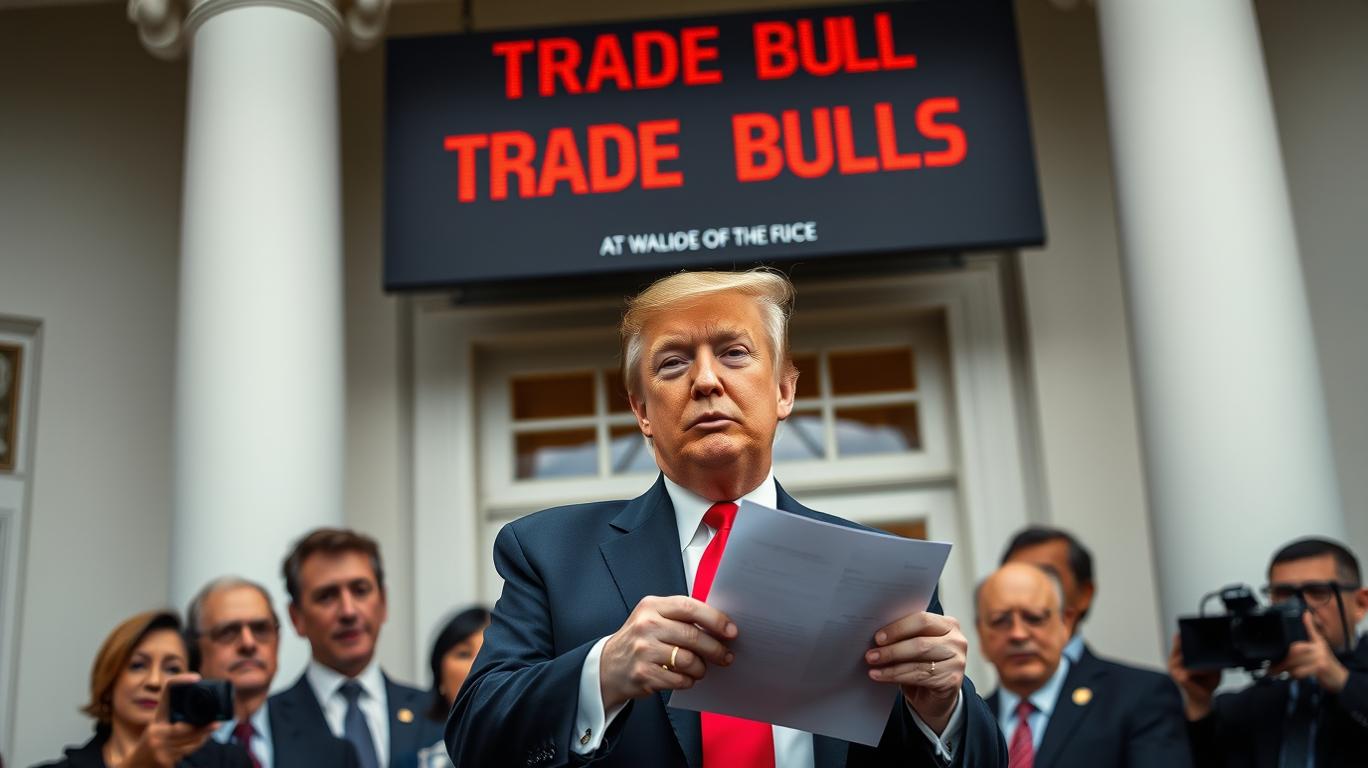
Trump Trade Bulls: Optimism and Growth
Trump trade bulls argue that his economic policies, such as tax cuts, deregulation, and increased spending, could stimulate growth and benefit certain sectors. Historically, financials and energy have been among the biggest beneficiaries of Trump's policies. Banks, in particular, have seen significant gains due to lighter regulatory burdens, while energy companies have profited from deregulation and expectations of higher oil prices (Econotimes, 2024).
Moreover, the Trump trade bulls point to the strong performance of U.S. stocks and the dollar following his election in 2016 and 2024. They believe that a Trump victory could renew investor confidence, leading to further market gains.
Trump Trade Bears: Risks and Uncertainty
Trump trade bears, on the other hand, highlight the potential risks and alternative economic factors that could dampen the market's enthusiasm. They argue that the widening federal deficit due to tax cuts and increased defense spending could lead to higher inflation and potentially slower economic growth. Additionally, trade tariffs have increased costs for consumers and businesses, and triggered retaliatory tariffs from other countries (JPMorgan, 2024).
Bears also emphasize the negative impact of Trump's policies on employment and healthcare, as well as the potential for increased volatility in financial markets. They believe that the market's focus on the Trump trade may overlook these risks and lead to a rude awakening if his policies do not pan out as expected.

Market Participants and Global Repercussions
Market participants factor in the potential for retaliation and global economic repercussions when assessing the Trump trade's impact. While some sectors, like financials and energy, have benefited from deregulation and higher tariffs, others face headwinds from retaliation and inflation risks. Investors must consider the broader economic implications and geopolitical dynamics, such as trade wars and supply chain disruptions, when evaluating the Trump trade's potential impact on their portfolios.
Long-term Outlook and Election Uncertainty
The political landscape and election uncertainty could influence the effectiveness and sustainability of the Trump trade in the long run. In a tight race, investors may adopt a wait-and-see approach, leading to market volatility. However, a decisive victory for Trump could renew investor confidence in the strategy's long-term prospects.
Moreover, the effectiveness of the Trump trade may hinge on various factors, such as global economic conditions, international responses to U.S. trade policies, and the Fed's monetary policy. As the 2024 election approaches, investors will be closely monitoring these dynamics to determine the best investment strategies.
In conclusion, the debate between Trump trade bulls and bears underscores the complexities and uncertainties surrounding his economic policies. While some investors remain optimistic about the potential benefits, others caution against overlooking the risks and alternative economic factors. As the election nears, investors must weigh these perspectives and consider the broader economic and geopolitical implications when making investment decisions.
Trump Trade Bulls: Optimism and Growth
Trump trade bulls argue that his economic policies, such as tax cuts, deregulation, and increased spending, could stimulate growth and benefit certain sectors. Historically, financials and energy have been among the biggest beneficiaries of Trump's policies. Banks, in particular, have seen significant gains due to lighter regulatory burdens, while energy companies have profited from deregulation and expectations of higher oil prices (Econotimes, 2024).
Moreover, the Trump trade bulls point to the strong performance of U.S. stocks and the dollar following his election in 2016 and 2024. They believe that a Trump victory could renew investor confidence, leading to further market gains.
Trump Trade Bears: Risks and Uncertainty
Trump trade bears, on the other hand, highlight the potential risks and alternative economic factors that could dampen the market's enthusiasm. They argue that the widening federal deficit due to tax cuts and increased defense spending could lead to higher inflation and potentially slower economic growth. Additionally, trade tariffs have increased costs for consumers and businesses, and triggered retaliatory tariffs from other countries (JPMorgan, 2024).
Bears also emphasize the negative impact of Trump's policies on employment and healthcare, as well as the potential for increased volatility in financial markets. They believe that the market's focus on the Trump trade may overlook these risks and lead to a rude awakening if his policies do not pan out as expected.
Market Participants and Global Repercussions
Market participants factor in the potential for retaliation and global economic repercussions when assessing the Trump trade's impact. While some sectors, like financials and energy, have benefited from deregulation and higher tariffs, others face headwinds from retaliation and inflation risks. Investors must consider the broader economic implications and geopolitical dynamics, such as trade wars and supply chain disruptions, when evaluating the Trump trade's potential impact on their portfolios.
Long-term Outlook and Election Uncertainty
The political landscape and election uncertainty could influence the effectiveness and sustainability of the Trump trade in the long run. In a tight race, investors may adopt a wait-and-see approach, leading to market volatility. However, a decisive victory for Trump could renew investor confidence in the strategy's long-term prospects.
Moreover, the effectiveness of the Trump trade may hinge on various factors, such as global economic conditions, international responses to U.S. trade policies, and the Fed's monetary policy. As the 2024 election approaches, investors will be closely monitoring these dynamics to determine the best investment strategies.
In conclusion, the debate between Trump trade bulls and bears underscores the complexities and uncertainties surrounding his economic policies. While some investors remain optimistic about the potential benefits, others caution against overlooking the risks and alternative economic factors. As the election nears, investors must weigh these perspectives and consider the broader economic and geopolitical implications when making investment decisions.

Divulgación editorial y transparencia de la IA: Ainvest News utiliza tecnología avanzada de Modelos de Lenguaje Largo (LLM) para sintetizar y analizar datos de mercado en tiempo real. Para garantizar los más altos estándares de integridad, cada artículo se somete a un riguroso proceso de verificación con participación humana.
Mientras la IA asiste en el procesamiento de datos y la redacción inicial, un miembro editorial profesional de Ainvest revisa, verifica y aprueba de forma independiente todo el contenido para garantizar su precisión y cumplimiento con los estándares editoriales de Ainvest Fintech Inc. Esta supervisión humana está diseñada para mitigar las alucinaciones de la IA y garantizar el contexto financiero.
Advertencia sobre inversiones: Este contenido se proporciona únicamente con fines informativos y no constituye asesoramiento profesional de inversión, legal o financiero. Los mercados conllevan riesgos inherentes. Se recomienda a los usuarios que realicen una investigación independiente o consulten a un asesor financiero certificado antes de tomar cualquier decisión. Ainvest Fintech Inc. se exime de toda responsabilidad por las acciones tomadas con base en esta información. ¿Encontró un error? Reportar un problema


SOBRE NOSOTROS
Nuestra historiaAutores de noticiasBase de conocimientosPolítica de privacidadTérmino de usoDescargo de responsabilidad de corretaje de tercerosTérminos de uso de AIMEDivulgaciones de riesgos de AInvest AICarrerasCONTÁCTENOS
Email: support@ainvest.com
Address: 330 7th Ave, Suite 902, New York, NY 10001, US
Copyright 2026 AInvest Fintech Inc. All rights reserved.


Comentarios
Aún no hay comentarios