
Trump Team Pledges $1 Billion to Combat Bird Flu, Aiming to Lower Egg Prices by Summer
Generado por agente de IACyrus Cole
jueves, 27 de febrero de 2025, 2:36 am ET2 min de lectura
ANSC--
The Trump administration has announced a $1 billion investment to combat the ongoing bird flu outbreak and lower egg prices, with USDA Secretary Brooke RollinsROL-- expressing hope that prices could decrease by summer. The multi-pronged strategy, unveiled at the National Association of State Departments of AgricultureANSC-- Winter Policy Conference, aims to stabilize the market and address the devastating impact of the virus on the poultry industry.
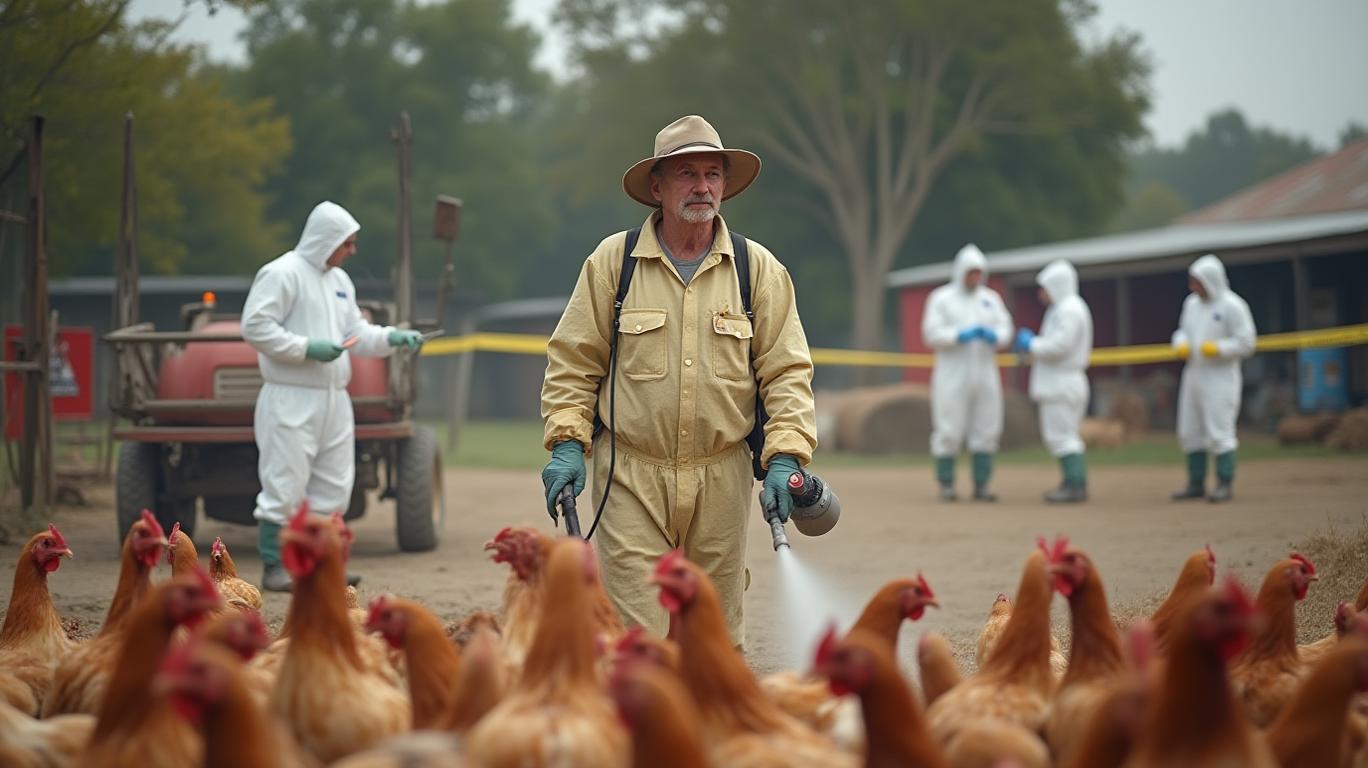
The bird flu outbreak, which has been ongoing for three years, has led to the slaughter of approximately 160 million birds, driving egg prices to record highs. The USDA's plan includes several key components to tackle the issue:
1. Biosecurity Measures: The USDA will allocate $500 million to implement "gold-standard" biosecurity measures at U.S. poultry productions. This includes providing free audits and wildlife biosecurity assessments to commercial egg farms, with the goal of preventing the spread of avian flu among poultry farms. A pilot program involving 150 U.S. poultry farms showed that participating farms did not experience an outbreak after implementing these security measures.
2. Vaccine Research and Development: The USDA will dedicate $100 million to research and development for a vaccine that could reduce the need to depopulate flocks. While the administration has not yet authorized the use of a vaccine, gathering feedback from states, public health professionals, and producers will help ensure that any vaccine used is safe and effective. Some industry groups have raised concerns about the potential impact of vaccines on trade in broiler chickens, but addressing these concerns through collaboration and consultation should help mitigate any negative effects.
3. Regulatory Relief: The USDA will remove regulatory burdens on producers where possible to help lower egg prices. This includes addressing regulations like California's Proposition 12, which has led to higher egg prices in the state. By eliminating or modifying these regulations, the USDA can help reduce production costs and potentially lower egg prices.
4. Egg Imports and Exports: The USDA will consider temporarily increasing egg imports while reducing exports to keep eggs in the U.S. market. This strategy can help address the current deficit of 50 million birds due to the avian flu outbreak and the resulting increase in egg prices. By importing eggs from countries with safety standards that meet U.S. requirements, the USDA can help stabilize the domestic egg market.
5. Indemnity Rates: The USDA will commit $400 million to increase indemnity rates to better reflect market values. This will help farmers who have had to depopulate their flocks due to avian flu, providing them with more compensation for their losses. This measure can help stabilize the market by ensuring that farmers are not disproportionately affected by the outbreak.
In conclusion, the Trump administration's $1 billion investment in combating the bird flu outbreak and lowering egg prices appears to be a well-thought-out and comprehensive strategy. By addressing biosecurity, vaccine research, regulatory relief, egg imports and exports, and indemnity rates, the USDA can help mitigate the impact of the avian flu outbreak on the poultry industry and consumers. While it remains to be seen how effective the strategy will be in the short term, the long-term benefits could include a more resilient and cost-effective poultry industry, ultimately leading to more stable egg prices.
ROL--
The Trump administration has announced a $1 billion investment to combat the ongoing bird flu outbreak and lower egg prices, with USDA Secretary Brooke RollinsROL-- expressing hope that prices could decrease by summer. The multi-pronged strategy, unveiled at the National Association of State Departments of AgricultureANSC-- Winter Policy Conference, aims to stabilize the market and address the devastating impact of the virus on the poultry industry.
The bird flu outbreak, which has been ongoing for three years, has led to the slaughter of approximately 160 million birds, driving egg prices to record highs. The USDA's plan includes several key components to tackle the issue:
1. Biosecurity Measures: The USDA will allocate $500 million to implement "gold-standard" biosecurity measures at U.S. poultry productions. This includes providing free audits and wildlife biosecurity assessments to commercial egg farms, with the goal of preventing the spread of avian flu among poultry farms. A pilot program involving 150 U.S. poultry farms showed that participating farms did not experience an outbreak after implementing these security measures.
2. Vaccine Research and Development: The USDA will dedicate $100 million to research and development for a vaccine that could reduce the need to depopulate flocks. While the administration has not yet authorized the use of a vaccine, gathering feedback from states, public health professionals, and producers will help ensure that any vaccine used is safe and effective. Some industry groups have raised concerns about the potential impact of vaccines on trade in broiler chickens, but addressing these concerns through collaboration and consultation should help mitigate any negative effects.
3. Regulatory Relief: The USDA will remove regulatory burdens on producers where possible to help lower egg prices. This includes addressing regulations like California's Proposition 12, which has led to higher egg prices in the state. By eliminating or modifying these regulations, the USDA can help reduce production costs and potentially lower egg prices.
4. Egg Imports and Exports: The USDA will consider temporarily increasing egg imports while reducing exports to keep eggs in the U.S. market. This strategy can help address the current deficit of 50 million birds due to the avian flu outbreak and the resulting increase in egg prices. By importing eggs from countries with safety standards that meet U.S. requirements, the USDA can help stabilize the domestic egg market.
5. Indemnity Rates: The USDA will commit $400 million to increase indemnity rates to better reflect market values. This will help farmers who have had to depopulate their flocks due to avian flu, providing them with more compensation for their losses. This measure can help stabilize the market by ensuring that farmers are not disproportionately affected by the outbreak.
In conclusion, the Trump administration's $1 billion investment in combating the bird flu outbreak and lowering egg prices appears to be a well-thought-out and comprehensive strategy. By addressing biosecurity, vaccine research, regulatory relief, egg imports and exports, and indemnity rates, the USDA can help mitigate the impact of the avian flu outbreak on the poultry industry and consumers. While it remains to be seen how effective the strategy will be in the short term, the long-term benefits could include a more resilient and cost-effective poultry industry, ultimately leading to more stable egg prices.

Divulgación editorial y transparencia de la IA: Ainvest News utiliza tecnología avanzada de Modelos de Lenguaje Largo (LLM) para sintetizar y analizar datos de mercado en tiempo real. Para garantizar los más altos estándares de integridad, cada artículo se somete a un riguroso proceso de verificación con participación humana.
Mientras la IA asiste en el procesamiento de datos y la redacción inicial, un miembro editorial profesional de Ainvest revisa, verifica y aprueba de forma independiente todo el contenido para garantizar su precisión y cumplimiento con los estándares editoriales de Ainvest Fintech Inc. Esta supervisión humana está diseñada para mitigar las alucinaciones de la IA y garantizar el contexto financiero.
Advertencia sobre inversiones: Este contenido se proporciona únicamente con fines informativos y no constituye asesoramiento profesional de inversión, legal o financiero. Los mercados conllevan riesgos inherentes. Se recomienda a los usuarios que realicen una investigación independiente o consulten a un asesor financiero certificado antes de tomar cualquier decisión. Ainvest Fintech Inc. se exime de toda responsabilidad por las acciones tomadas con base en esta información. ¿Encontró un error? Reportar un problema


SOBRE NOSOTROS
Nuestra historiaAutores de noticiasBase de conocimientosPolítica de privacidadTérmino de usoDescargo de responsabilidad de corretaje de tercerosTérminos de uso de AIMEDivulgaciones de riesgos de AInvest AICarrerasCONTÁCTENOS
Email: support@ainvest.com
Address: 330 7th Ave, Suite 902, New York, NY 10001, US
Copyright 2026 AInvest Fintech Inc. All rights reserved.


Comentarios
Aún no hay comentarios