
Trump Tariffs Strengthen Dollar, But Hedge Fund CEO Sees Impending Decline
Generado por agente de IAHarrison Brooks
lunes, 3 de febrero de 2025, 4:58 am ET1 min de lectura
GRVY--
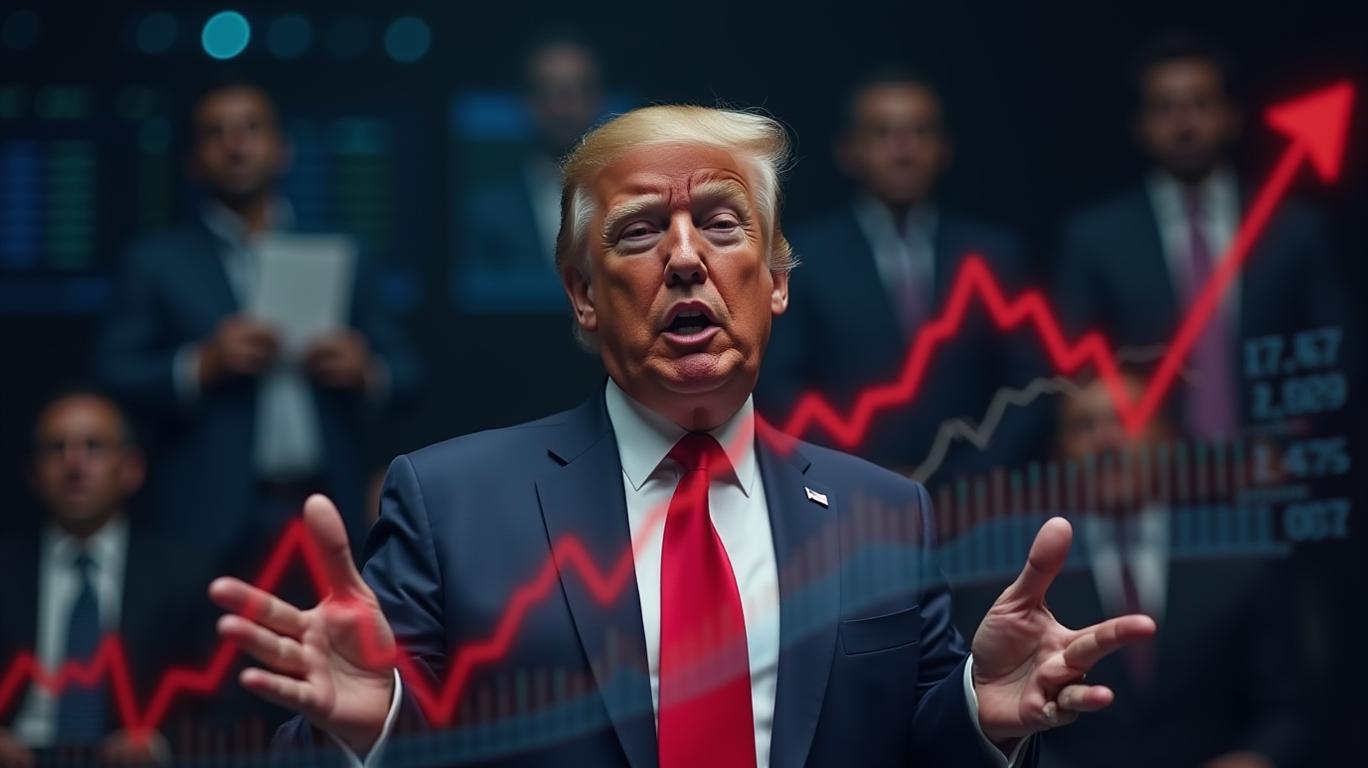
The U.S. dollar has been on a tear since President Donald Trump's administration implemented a series of tariffs on key trading partners, including China, Canada, and Mexico. The dollar's strength can be attributed to increased demand for the currency, as imports become more expensive, leading to a trade imbalance and increased demand for the dollar. However, not everyone is convinced that the dollar's ascent is sustainable in the long run.
Kevin C. Smith, founder and CEO of Crescat Capital, has been a vocal critic of the dollar's dominance and has warned that a devaluation of the U.S. dollar is not only likely but "inevitable." Smith attributes the global economy's strain to the dollar's strength, which is putting pressure on the world economy. He suggests that a devaluation of the U.S. dollar, whether coordinated or organic, is likely to occur in the coming years.
Smith points to several factors that could lead to the dollar's depreciation in 2025, such as the decrease in fiscal stimulus and sustained low interest rates, which are partly designed to ease the federal government's growing debt burden. However, Smith stresses that currency movements are always relative, and no other major economy faces the same imperative as the United States, which must sustain GDP growth of nearly 5% merely to service its debt.
The U.S. dollar's strength has been a double-edged sword for the American economy. While a stronger dollar can bolster the 'U.S. exceptionalism' narrative, it can also hurt international company performance for U.S.-based investors and negatively impact U.S. companies with significant international exposure and U.S. exports by making goods more expensive abroad.
As the U.S. dollar continues to defy gravity, investors should carefully assess its potential impact on their portfolios. While the dollar's strength may provide short-term benefits, the long-term consequences of a devaluation could be profound, marking one of the most significant shifts in the global financial landscape since the 2008 Global Financial Crisis.
The U.S. dollar has been on a tear since President Donald Trump's administration implemented a series of tariffs on key trading partners, including China, Canada, and Mexico. The dollar's strength can be attributed to increased demand for the currency, as imports become more expensive, leading to a trade imbalance and increased demand for the dollar. However, not everyone is convinced that the dollar's ascent is sustainable in the long run.
Kevin C. Smith, founder and CEO of Crescat Capital, has been a vocal critic of the dollar's dominance and has warned that a devaluation of the U.S. dollar is not only likely but "inevitable." Smith attributes the global economy's strain to the dollar's strength, which is putting pressure on the world economy. He suggests that a devaluation of the U.S. dollar, whether coordinated or organic, is likely to occur in the coming years.
Smith points to several factors that could lead to the dollar's depreciation in 2025, such as the decrease in fiscal stimulus and sustained low interest rates, which are partly designed to ease the federal government's growing debt burden. However, Smith stresses that currency movements are always relative, and no other major economy faces the same imperative as the United States, which must sustain GDP growth of nearly 5% merely to service its debt.
The U.S. dollar's strength has been a double-edged sword for the American economy. While a stronger dollar can bolster the 'U.S. exceptionalism' narrative, it can also hurt international company performance for U.S.-based investors and negatively impact U.S. companies with significant international exposure and U.S. exports by making goods more expensive abroad.
As the U.S. dollar continues to defy gravity, investors should carefully assess its potential impact on their portfolios. While the dollar's strength may provide short-term benefits, the long-term consequences of a devaluation could be profound, marking one of the most significant shifts in the global financial landscape since the 2008 Global Financial Crisis.

Divulgación editorial y transparencia de la IA: Ainvest News utiliza tecnología avanzada de Modelos de Lenguaje Largo (LLM) para sintetizar y analizar datos de mercado en tiempo real. Para garantizar los más altos estándares de integridad, cada artículo se somete a un riguroso proceso de verificación con participación humana.
Mientras la IA asiste en el procesamiento de datos y la redacción inicial, un miembro editorial profesional de Ainvest revisa, verifica y aprueba de forma independiente todo el contenido para garantizar su precisión y cumplimiento con los estándares editoriales de Ainvest Fintech Inc. Esta supervisión humana está diseñada para mitigar las alucinaciones de la IA y garantizar el contexto financiero.
Advertencia sobre inversiones: Este contenido se proporciona únicamente con fines informativos y no constituye asesoramiento profesional de inversión, legal o financiero. Los mercados conllevan riesgos inherentes. Se recomienda a los usuarios que realicen una investigación independiente o consulten a un asesor financiero certificado antes de tomar cualquier decisión. Ainvest Fintech Inc. se exime de toda responsabilidad por las acciones tomadas con base en esta información. ¿Encontró un error? Reportar un problema


SOBRE NOSOTROS
Nuestra historiaAutores de noticiasBase de conocimientosPolítica de privacidadTérmino de usoDescargo de responsabilidad de corretaje de tercerosTérminos de uso de AIMEDivulgaciones de riesgos de AInvest AICarrerasCONTÁCTENOS
Email: support@ainvest.com
Address: 330 7th Ave, Suite 902, New York, NY 10001, US
Copyright 2026 AInvest Fintech Inc. All rights reserved.


Comentarios
Aún no hay comentarios