
Trump's Tariffs Spark Crypto Market Rout, Bitcoin Plunges
President Trump's recent announcement of new tariffs on imports from Canada, Mexico, and China has sparked concerns about inflation and triggered a significant sell-off in the crypto market, with Bitcoin prices dropping to their lowest levels since early January. The tariffs, which target America's three largest trading partners, are set to take effect on Tuesday and are framed by the President as part of a broader strategy to address border security and combat the opioid crisis, particularly fentanyl trafficking.
The new tariffs have economists warning of potential increases in consumer costs as businesses pass on additional expenses. While the White House maintains that these measures will strengthen American manufacturing, experts caution that they could worsen inflation and potentially trigger a trade conflict affecting all nations involved, leading to job losses and supply chain disruptions.
The announcement of these tariffs has triggered volatility in the crypto market as investors reacted to fears of mounting inflationary pressures. Bitcoin fell below $100,000 on Saturday and continued its decline to $92,000, while Ethereum dropped 24% to $2,300, according to CoinGecko data. The market turbulence led to $1.7 billion in long position liquidations over 24 hours, with Ethereum traders experiencing $528 million in losses and Bitcoin traders facing $421 million in liquidations, Coinglass data shows.
The overall crypto market capitalization shrank by approximately 8%, with most crypto assets recording double-digit losses within a day. XRP and DOGE fell 30%, ADA declined 35%, while SOL and BNB each dropped 15%.
Analysts believe that Trump's new tariffs could lead to increased demand for Bitcoin as a hedge against inflation. However, many caution that ongoing market volatility may continue to pressure prices downward in the short term. According to Jeff Park, head of alpha strategies at Bitwise Asset Management, Trump's tariff policies could inadvertently set the stage for a Bitcoin boom. He suggests that the implementation of new tariffs could weaken the dollar and create conditions favorable for Bitcoin's growth, as the US grapples with the Triffin Dilemma.
The tariffs are viewed as a strategic move to temporarily weaken the dollar, potentially leading to a multilateral agreement similar to "Plaza Accord 2.0" that could reduce dollar dominance and encourage countries to diversify their reserves beyond US Treas 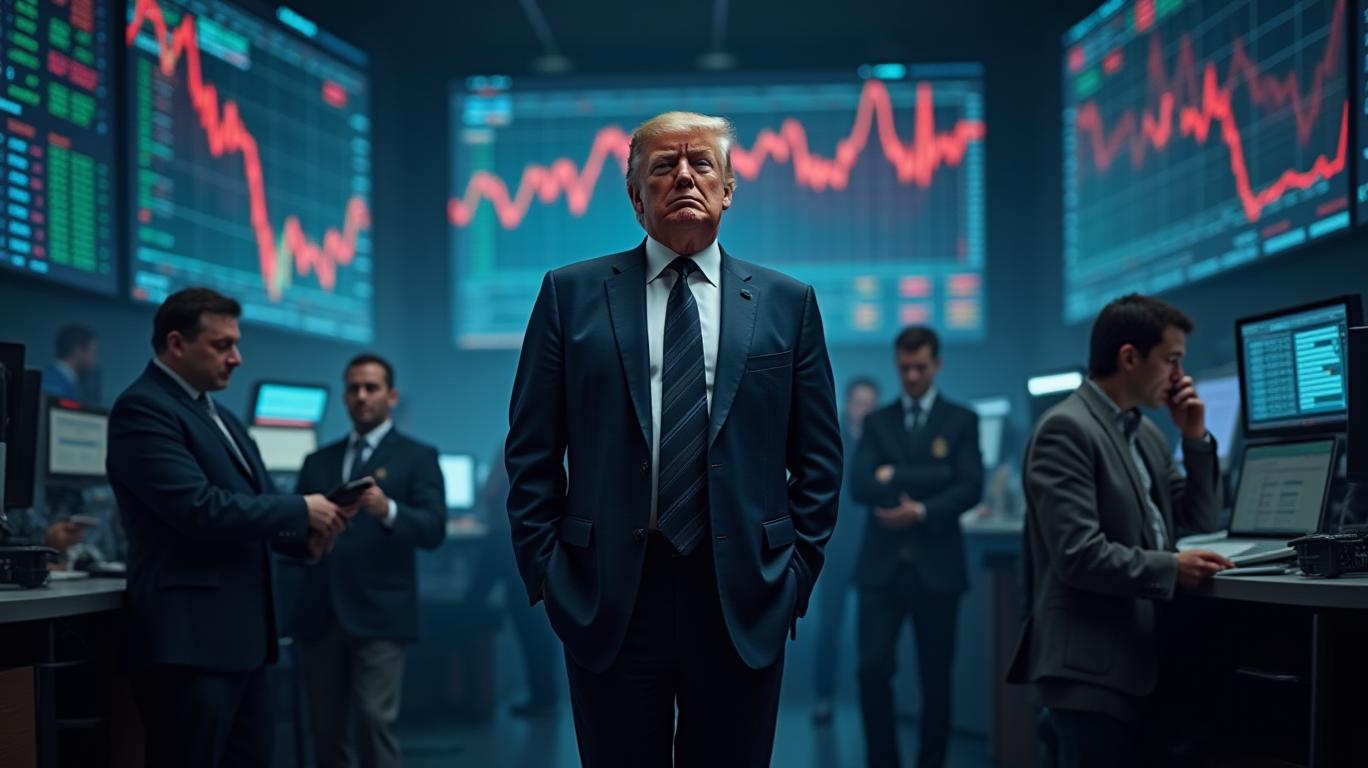





Comentarios
Aún no hay comentarios