
Trump's Tariffs Spark 4% Bitcoin Drop, Stocks Tumble
President Donald Trump's recent imposition of new tariffs on Canadian steel and aluminum has sparked a significant reaction in global markets, with Bitcoin plummeting by 4% and major stock indices such as the Nasdaq and S&P 500 experiencing notable declines. The tariffs, which took effect on March 12, represent a 50% increase in existing trade duties between the two neighboring countries. The Trump administration has also threatened additional tariffs on Canadian automobiles if Canada does not eliminate its high dairy tariffs, which range between 250% and 390%.
This escalation in trade tensions follows Ontario's decision to impose a 25% surcharge on electricity exports to the U.S., a move that Trump described as an "abusive threat." In response, Ontario PremierPINC-- DougDOUG-- Ford, alongside U.S. Commerce Secretary Howard Lutnick, announced the suspension of the surcharge following Trump's announcement. However, the steel and aluminum tariffs are set to proceed as planned, further intensifying the trade conflict and causing significant market turbulence.
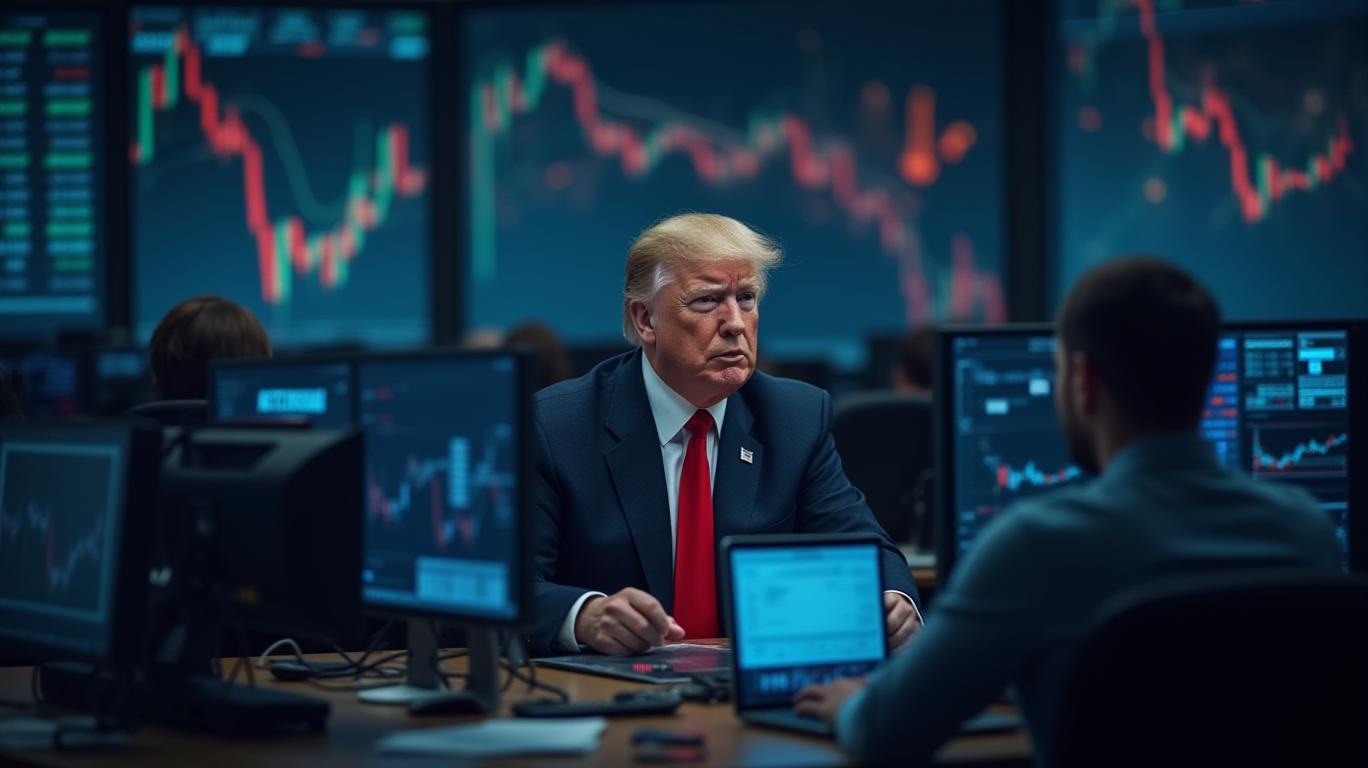
The ongoing trade dispute has led to a sharp decline in Bitcoin's value, which fell by more than 4% following the announcement. Major stock indices also experienced significant losses, with the Nasdaq and S&P 500 tumbling as investors reacted to the uncertainty caused by the escalating trade war. The market volatility has raised concerns about a potential correction in the financial markets, with analysts warning of the potential for further declines if the trade dispute continues to escalate.
Trump's aggressive trade strategy, which includes newly imposed tariffs, is part of his efforts to renegotiate economic partnerships with major U.S. trading partners. The U.S. has threatened to impose additional penalties, including raising automobile tariffs by April 2 if current tariffs stay in place, thereby risking severe damage to Canada's automotive industry. The potential for additional economic sanctions creates uncertainty about future trade relations and economic stability for businesses on both sides of the border.
The intense discourse between the U.S. and Canada still allows room for reducing tensions through diplomatic discussions. The White House has organized a meeting for Thursday where U.S. and Canadian officials will discuss trade policies to find common solutions. Experts hope this meeting will stop the worsening economic relations between the United States and Canada. However, Trump's unpredictable policy changes and aggressive negotiation strategies create uncertainty regarding future outcomes. Business and trade analysts warn that if an agreement isn’t reached, it could trigger increased tariffs on Canadian automobiles, which would result in significant job losses and prolong the trade conflict, thus damaging economic relationships in North America.
The continuous trade dispute between the U.S. and Canada demonstrates broader concerns about Trump’s unpredictable economic policy direction. By acting as a defender of U.S. businesses through tariffs, he might face unintended consequences. These trade barriers could harm both countries’ economies by creating supply chain issues and raising consumer prices while causing diplomatic tensions to escalate. The volatile state of global markets drives investors to closely monitor forthcoming economic data while paying special attention to February’s Consumer Price Index. The information will reveal details about inflation patterns and possible reactions from the Federal Reserve. As it is clear, North America may confront unprecedented risks to economic stability because of the financial impact of trade policies and market fluctuations.





Comentarios
Aún no hay comentarios