
Trump's Tariffs Spark 10% Stock Plunge, Global Market Volatility
On April 3rd, during the midday trading session of the U.S. stock market, President Trump addressed reporters at the White House regarding the market's response to his recent tariff policies. He expressed confidence in the situation, stating, "I think the progress is going very smoothly. You've never seen a situation like this. The market will prosper. The stock market will prosper. The country will prosper. Everyone else in the world wants to know if they can make a deal."
Later, after the U.S. stock market closed, Trump reiterated that the market's reaction was "as expected" and that the U.S. economy is in a "transition period." He compared the U.S. economy he inherited to a "patient" who has undergone surgery, suggesting a period of recovery and adjustment. Trump also indicated a willingness to reach agreements on tariff issues, stating, "Every country has been calling us. This is the beauty of what we do, we put ourselves in the driver's seat."
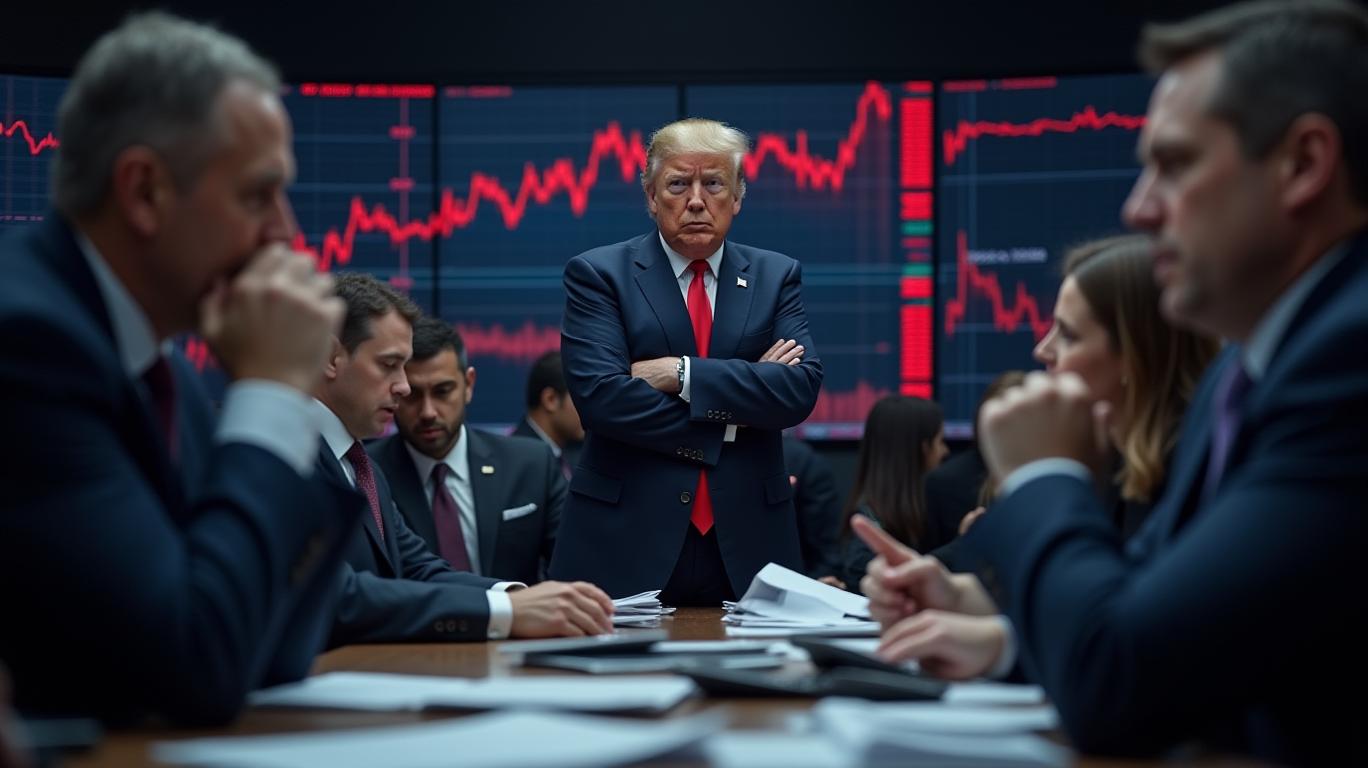
President Trump's recent announcement of sweeping new tariffs has had a profound impact on global markets. The tariffs, which include a 10% duty on all exporters to the U.S. and even higher duties on goods from approximately 60 nations, have led to a sharp decline in U.S. stocks, the dollar, and oil prices. Bond yields have also plummeted, and market volatility has surged as investors react to the sudden change in trade policy.
The announcement triggered a significant plunge in the stock market, with many analysts and economists expressing concern over the potential economic fallout. Businesses and manufacturers are expected to face increased costs, which could lead to job losses and a slowdown in economic growth. The tariffs have also alarmed U.S. consumers, who may see higher prices for imported goods. Despite these concerns, President Trump has maintained that these tariffs are necessary to protect American industries and workers from unfair competition.
In response to the tariffs, America's three largest trading partners announced plans to impose retaliatory tariffs, further escalating the trade tensions. This has led to increased market volatility and uncertainty, as investors grapple with the potential long-term effects of the tariff war. Despite the market reaction, President Trump has stated that things are progressing very smoothly, indicating that he remains confident in his trade policies.
The tariffs have also raised questions about America's role in the global trade system. Some analysts have suggested that the move marks a shift away from America's traditional position as a guardian of open markets. This change in policy could have far-reaching implications for international trade and diplomacy, as other nations may feel compelled to adopt protectionist measures in response.
Overall, the announcement of these new tariffs has sent shockwaves through the global economy, with markets reacting as expected to the sudden change in trade policy. While the long-term effects of these tariffs remain uncertain, it is clear that they will have a significant impact on businesses, consumers, and the broader economy. President Trump's confidence in the situation and his willingness to engage in negotiations suggest that the U.S. is prepared to navigate the complexities of this new trade landscape.







Comentarios
Aún no hay comentarios