
Trump Tariffs Spark 10% Market Sell-Off, Fed Rate Cut Speculation
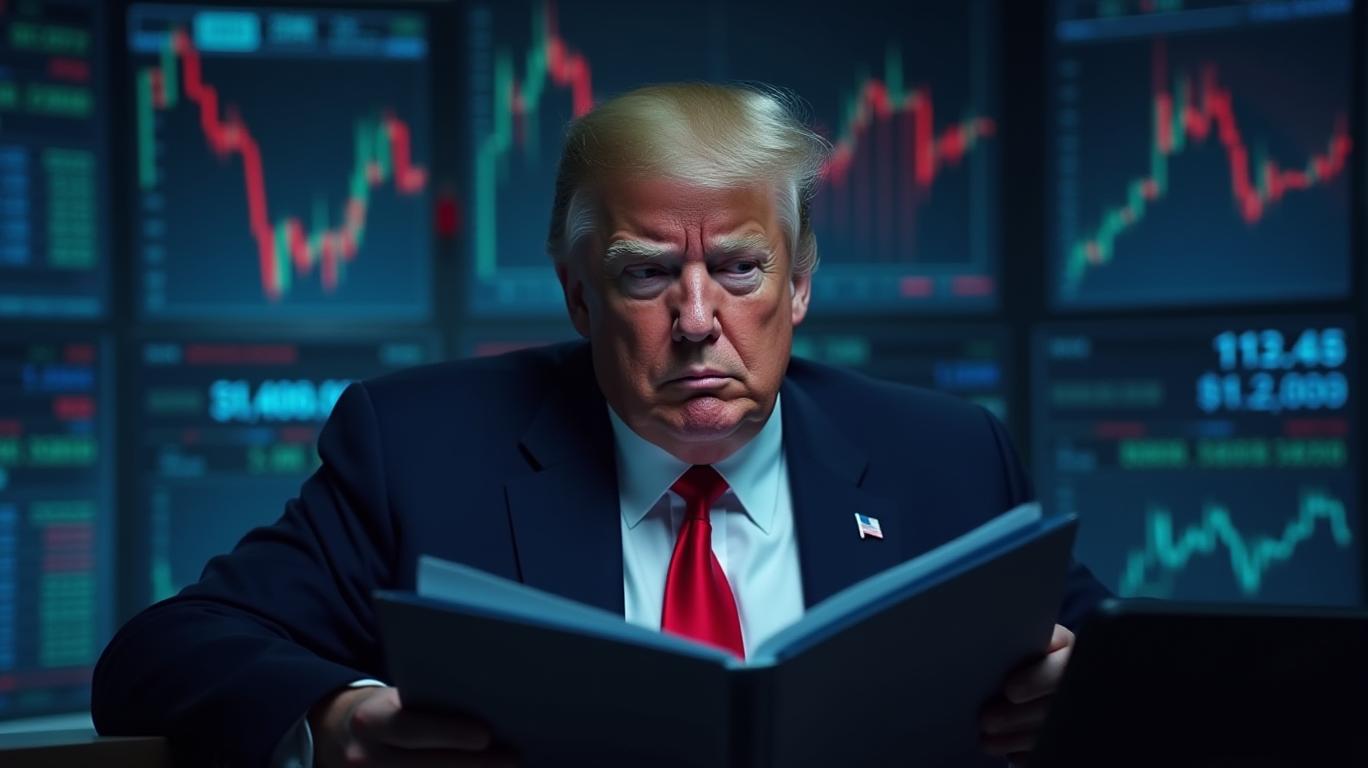
Analysts have expressed concerns that the upcoming U.S. employment data, scheduled for release on Friday, may be overshadowed by the market turbulence caused by the Trump administration's announcement of "reciprocal tariffs." These tariffs, which impose a 10% levy on a wide array of imported goods, have raised fears of a potential trade war and have already led to significant market volatility.
The tariffs, set to take effect on April 5, have sparked a sell-off in global markets, with the U.S. stock market experiencing notable declines. The S&P 500 index, Dow Jones Industrial Average, and Nasdaq Composite index all saw significant drops, reflecting investor anxiety and uncertainty. The market's fear gauge, the CBOE Volatility Index (VIX), surged past 30 points, indicating heightened investor anxiety.
Various sectors, including technology, banking, and retail, are expected to be significantly impacted by the tariffs. Tech stocks, in particular, have been hit hard, with major companies like Apple Inc.AAPL-- leading the decline. The banking sector, sensitive to economic downturns, also experienced a sharp sell-off, with major banks seeing double-digit percentage drops. The retail sector is also expected to be heavily impacted, as many retailers rely on imports from countries subject to the new levies. Companies like NikeNKE-- Inc. and Ralph LaurenRL-- Corp. have already seen significant declines, with the tariffs expected to increase the cost of goods for retailers, potentially leading to higher prices for consumers and reduced demand.
The market turmoil has also led to increased speculation about the Federal Reserve's next move. Some analysts believe that the Fed may be forced to cut interest rates sooner than expected to mitigate the economic impact of the tariffs. The Fed's next meeting is scheduled for May, and investors will be closely watching for any hints about a potential rate cut.
The upcoming employment data release is expected to provide further insight into the state of the U.S. economy. However, given the market volatility and uncertainty surrounding the tariffs, the data may be overshadowed by the ongoing trade tensions. Investors will be closely monitoring the data for any signs of weakness in the labor market, which could further exacerbate market concerns about a potential economic slowdown. In the data release, investors may focus on the number of public sector job cuts and their impact on the unemployment rate, as these factors could provide additional context for the overall economic outlook.





Comentarios
Aún no hay comentarios