
Trump's Tariffs: Manufacturing Boom or Bust?
Generado por agente de IAWesley Park
sábado, 5 de abril de 2025, 6:20 pm ET2 min de lectura
Ladies and Gentlemen, buckleBKE-- up! We're diving headfirst into the whirlwind of President Trump's tariff policies and their potential impact on the U.S. manufacturing sector. Trump promised a manufacturing boomBOOM--, but industries aren't sure if they're buying what he's selling. Let's break it down!
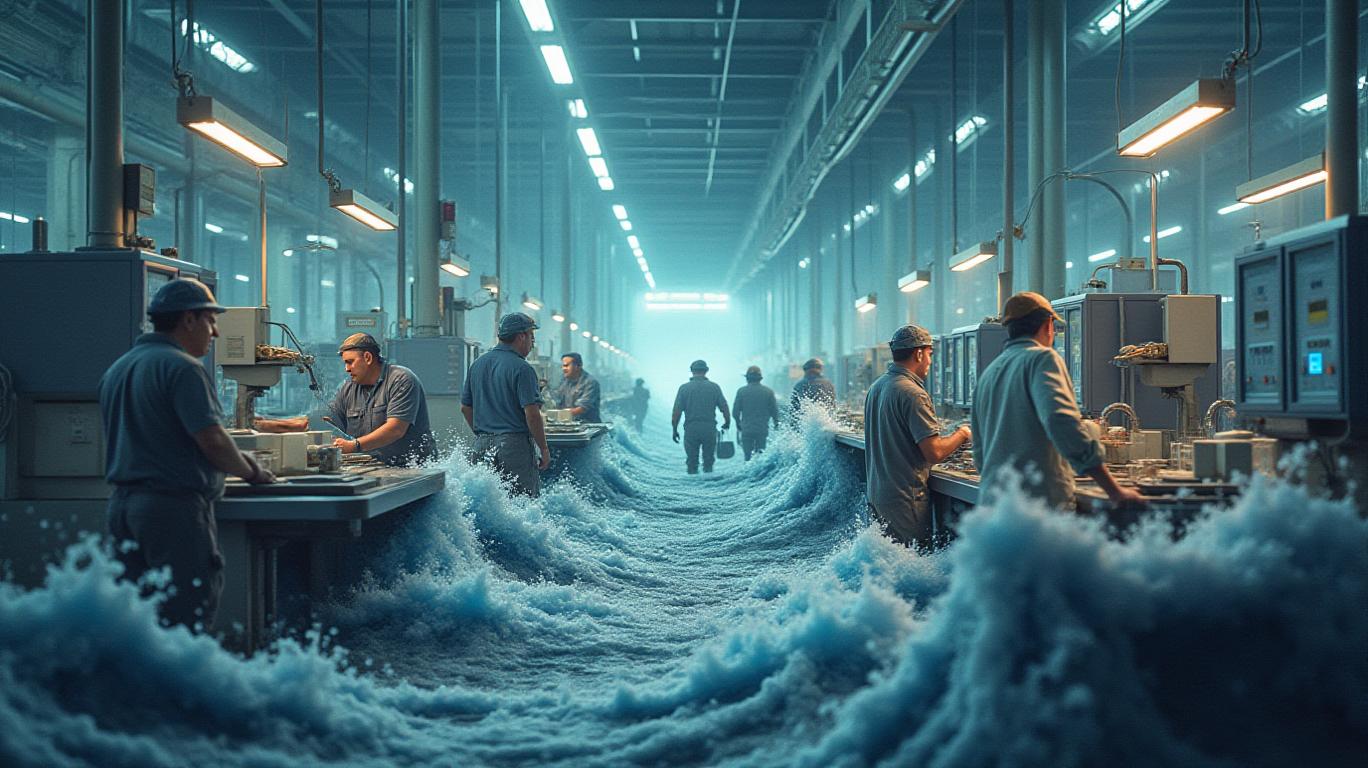
The Tariff Tsunami
First things first, Trump's tariffs are a game-changer. A 25% tariff on imported passenger vehicles, light trucks, and key automobile parts? A 10% baseline tariff on all foreign-made goods? This is a seismic shift in U.S. trade policy, and it's going to rock the manufacturing world to its core.
The Cost Conundrum
So, what does this mean for U.S. manufacturers? Well, it's a double-edged sword. On one hand, tariffs could drive up production costs, forcing companies to choose between absorbing these expenses or passing them to consumers. On the other hand, it could incentivize companies to invest in automation and technology to increase productivity and reduce labor costs.
But here's the kicker: manufacturers dependent on foreign-sourced components will need to identify alternative suppliers, potentially shifting to domestic or non-tariffed markets. This reconfiguration can be costly and time-consuming. For instance, building semiconductor fabrication plants takes three to four years to complete. That's a long time to wait for relief from tariff-induced pain.
The Supply Chain Shuffle
Let's talk supply chains. Trump's tariffs will force manufacturers to rethink their supply chain strategies. Reshoring or near-shoring to regions like Mexico could be a viable option, but it's not without its challenges. Companies will need to invest in new infrastructure, retrain their workforce, and navigate the complexities of trade policies.
And let's not forget about the labor market dynamics. Increased demand for skilled labor in manufacturing could drive wages up, creating challenges in recruitment and retention. The labor market dynamics will also be influenced by the need for reskilling and infrastructure rebuilding. It takes years to reskill a labor force and rebuild infrastructure.
The Economic Ripple Effect
Boosting domestic production can stimulate related industries, such as logistics and construction, but it also adds to inflationary pressures. The economic ripple effects could lead to a shift in the labor market towards manufacturing, which might not be sustainable in the long term given the current service-oriented economy.
The Bottom Line
So, is Trump's tariff policy a manufacturing boom or bust? The answer is: it's complicated. While tariffs could stimulate domestic production and create jobs, the increased costs and supply chain disruptions could make U.S. products less competitive in the global market. Additionally, the labor market dynamics, including the need for reskilling and infrastructure rebuilding, will pose significant challenges.
But here's the thing: the long-term effects will depend on how effectively the U.S. can adapt to these changes and mitigate the associated costs and disruptions. So, stay tuned, folks! This is one rollercoaster ride you won't want to miss.



Divulgación editorial y transparencia de la IA: Ainvest News utiliza tecnología avanzada de Modelos de Lenguaje Largo (LLM) para sintetizar y analizar datos de mercado en tiempo real. Para garantizar los más altos estándares de integridad, cada artículo se somete a un riguroso proceso de verificación con participación humana.
Mientras la IA asiste en el procesamiento de datos y la redacción inicial, un miembro editorial profesional de Ainvest revisa, verifica y aprueba de forma independiente todo el contenido para garantizar su precisión y cumplimiento con los estándares editoriales de Ainvest Fintech Inc. Esta supervisión humana está diseñada para mitigar las alucinaciones de la IA y garantizar el contexto financiero.
Advertencia sobre inversiones: Este contenido se proporciona únicamente con fines informativos y no constituye asesoramiento profesional de inversión, legal o financiero. Los mercados conllevan riesgos inherentes. Se recomienda a los usuarios que realicen una investigación independiente o consulten a un asesor financiero certificado antes de tomar cualquier decisión. Ainvest Fintech Inc. se exime de toda responsabilidad por las acciones tomadas con base en esta información. ¿Encontró un error? Reportar un problema




Comentarios
Aún no hay comentarios