
Trump's Tariffs: Industries and Companies Most at Risk
Generado por agente de IAWesley Park
lunes, 20 de enero de 2025, 7:06 am ET1 min de lectura
GM--
As the Trump administration prepares to implement its proposed tariffs, companies across various industries are bracing for potential disruptions and increased costs. While the full impact remains uncertain, some industries and companies are more vulnerable than others. Let's take a closer look at the sectors and businesses most at risk from Trump's tariff plans.
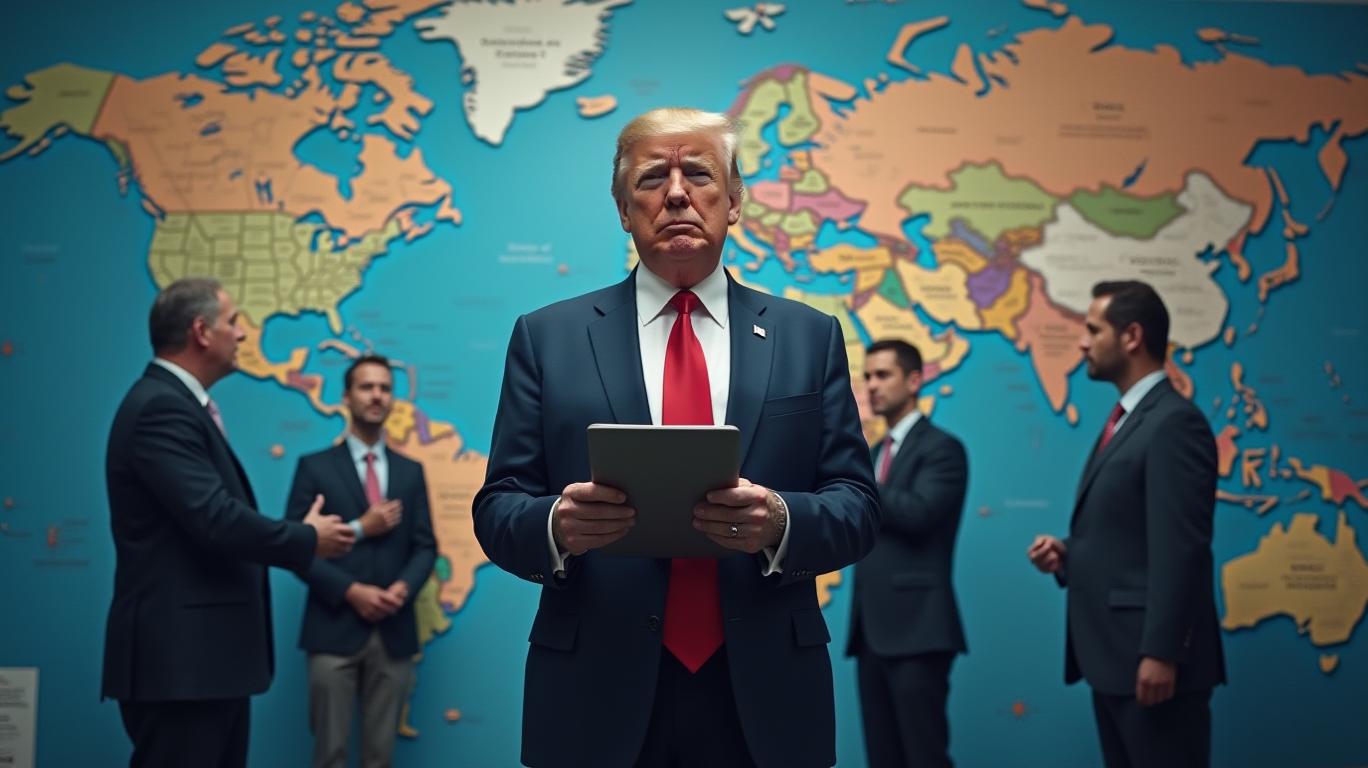
1. Auto Industry (47% of media coverage, 89% negative outlook):
- The auto industry is heavily reliant on Mexican production, with major companies like Toyota, Volkswagen, Honda, and BMW having significant operations there.
- Toyota builds all its Tacoma trucks in Mexico, with over 230,000 sold in the US in 2023.
- Honda sends 80% of its Mexican-made cars to the US.
- BMW is planning to make its new electric cars in Mexico from 2027.
- The proposed 25% tariffs on Mexican imports would significantly impact these companies' business models and profitability.
- Premium manufacturers like Volvo Cars and JLR are also vulnerable due to their heavy reliance on European production, while GM and Stellantis must contend with extensive Mexican and Canadian assembly operations.
2. Electronics and Tech Industry (39% of tariff discussions, 85% negative coverage):
- The electronics sector faces challenges due to proposed tariffs on Chinese goods and the potential impact on supply chains.
- Foxconn is building a massive AI factory in Mexico, which could be affected by tariffs.
- Lenovo produces all its North American data center products in Monterrey, Mexico.
- Samsung and LG manufacture appliances in Mexico for US customers, which could be impacted by tariffs.
- Consumer tech sales could plummet under Trump's proposed tariffs, with the Consumer Technology Association projecting steep declines in laptop (68%), gaming console (58%), and smartphone (37%) purchases, potentially slashing consumer tech spending by up to $143 billion.
3. Consumer Goods Industry (<2% of coverage, 96% negative sentiment):
- Despite minimal coverage, the consumer goods sector faces significant risks due to proposed tariffs.
- Companies like E.l.f. Beauty have already reduced their Chinese production (from 99% to 80%) in response to potential tariffs.
- Other companies are actively negotiating with vendors to offset potential costs, indicating the sector's vulnerability to tariff-related disruptions.
In conclusion, Trump's proposed tariffs pose significant risks to various industries and companies, with the auto, electronics, and consumer goods sectors being particularly vulnerable. As the situation unfolds, businesses must adapt their supply chain strategies, pricing models, and production locations to mitigate the impact of these tariffs. Investors should closely monitor the developments and consider the potential long-term effects on the global economy.
HMC--
TM--
As the Trump administration prepares to implement its proposed tariffs, companies across various industries are bracing for potential disruptions and increased costs. While the full impact remains uncertain, some industries and companies are more vulnerable than others. Let's take a closer look at the sectors and businesses most at risk from Trump's tariff plans.
1. Auto Industry (47% of media coverage, 89% negative outlook):
- The auto industry is heavily reliant on Mexican production, with major companies like Toyota, Volkswagen, Honda, and BMW having significant operations there.
- Toyota builds all its Tacoma trucks in Mexico, with over 230,000 sold in the US in 2023.
- Honda sends 80% of its Mexican-made cars to the US.
- BMW is planning to make its new electric cars in Mexico from 2027.
- The proposed 25% tariffs on Mexican imports would significantly impact these companies' business models and profitability.
- Premium manufacturers like Volvo Cars and JLR are also vulnerable due to their heavy reliance on European production, while GM and Stellantis must contend with extensive Mexican and Canadian assembly operations.
2. Electronics and Tech Industry (39% of tariff discussions, 85% negative coverage):
- The electronics sector faces challenges due to proposed tariffs on Chinese goods and the potential impact on supply chains.
- Foxconn is building a massive AI factory in Mexico, which could be affected by tariffs.
- Lenovo produces all its North American data center products in Monterrey, Mexico.
- Samsung and LG manufacture appliances in Mexico for US customers, which could be impacted by tariffs.
- Consumer tech sales could plummet under Trump's proposed tariffs, with the Consumer Technology Association projecting steep declines in laptop (68%), gaming console (58%), and smartphone (37%) purchases, potentially slashing consumer tech spending by up to $143 billion.
3. Consumer Goods Industry (<2% of coverage, 96% negative sentiment):
- Despite minimal coverage, the consumer goods sector faces significant risks due to proposed tariffs.
- Companies like E.l.f. Beauty have already reduced their Chinese production (from 99% to 80%) in response to potential tariffs.
- Other companies are actively negotiating with vendors to offset potential costs, indicating the sector's vulnerability to tariff-related disruptions.
In conclusion, Trump's proposed tariffs pose significant risks to various industries and companies, with the auto, electronics, and consumer goods sectors being particularly vulnerable. As the situation unfolds, businesses must adapt their supply chain strategies, pricing models, and production locations to mitigate the impact of these tariffs. Investors should closely monitor the developments and consider the potential long-term effects on the global economy.

Divulgación editorial y transparencia de la IA: Ainvest News utiliza tecnología avanzada de Modelos de Lenguaje Largo (LLM) para sintetizar y analizar datos de mercado en tiempo real. Para garantizar los más altos estándares de integridad, cada artículo se somete a un riguroso proceso de verificación con participación humana.
Mientras la IA asiste en el procesamiento de datos y la redacción inicial, un miembro editorial profesional de Ainvest revisa, verifica y aprueba de forma independiente todo el contenido para garantizar su precisión y cumplimiento con los estándares editoriales de Ainvest Fintech Inc. Esta supervisión humana está diseñada para mitigar las alucinaciones de la IA y garantizar el contexto financiero.
Advertencia sobre inversiones: Este contenido se proporciona únicamente con fines informativos y no constituye asesoramiento profesional de inversión, legal o financiero. Los mercados conllevan riesgos inherentes. Se recomienda a los usuarios que realicen una investigación independiente o consulten a un asesor financiero certificado antes de tomar cualquier decisión. Ainvest Fintech Inc. se exime de toda responsabilidad por las acciones tomadas con base en esta información. ¿Encontró un error? Reportar un problema


SOBRE NOSOTROS
Nuestra historiaAutores de noticiasBase de conocimientosPolítica de privacidadTérmino de usoDescargo de responsabilidad de corretaje de tercerosTérminos de uso de AIMEDivulgaciones de riesgos de AInvest AICarrerasCONTÁCTENOS
Email: support@ainvest.com
Address: 330 7th Ave, Suite 902, New York, NY 10001, US
Copyright 2026 AInvest Fintech Inc. All rights reserved.


Comentarios
Aún no hay comentarios